Hydraulic pumps in the energy and environmental protection fields
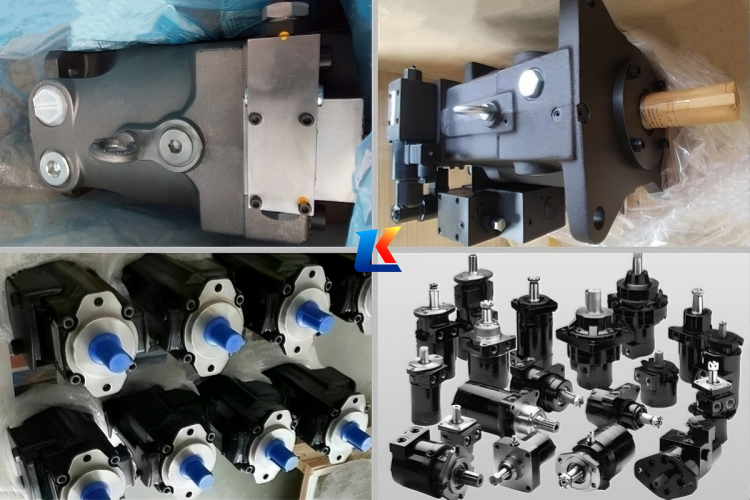
Series and Specifications/Models of Hydraulic Pumps for Energy and Environmental Protection Fields
Hydraulic pumps are the core power components of hydraulic systems in the energy and environmental protection fields, mainly used in renewable energy power generation (solar, wind, geothermal), sewage treatment, solid waste disposal, energy-saving equipment and other scenarios. They are responsible for converting mechanical energy into hydraulic energy, ensuring efficient, energy-saving and stable operation of related equipment. According to the working principle, structural characteristics and application requirements, the commonly used hydraulic pumps in energy and environmental protection fields are mainly divided into three major series: gear pump series, vane pump series and piston pump series. Each series has corresponding specifications and models, which are clearly distinguished by core parameters such as displacement, pressure rating, energy efficiency level and installation type, meeting the diverse needs of different environmental protection and energy projects.
1. Gear Pump Series (Gear Pumps) for Energy and Environmental Protection
Gear pumps are widely used in medium and low-pressure hydraulic systems in the energy and environmental protection fields due to their simple structure, reliable operation, low energy consumption and low maintenance cost. They are mainly used in small and medium-sized environmental protection equipment and auxiliary energy systems, such as sewage lifting pumps, small solar auxiliary hydraulic systems and solid waste sorting equipment. They are divided into external gear pumps and internal gear pumps, with external gear pumps being more widely used.
1.1 Common Series and Specifications
- External Gear Pump Series: CB series, CBN series, CBG series, etc. These series are suitable for low-pressure, high-flow energy-saving scenarios, such as sewage treatment equipment (sewage lifting, sludge transportation) and small wind power auxiliary systems. The specifications are mainly distinguished by displacement (unit: mL/r), pressure rating (unit: MPa) and energy efficiency level.
- Examples of models: CB-B10, CB-B25, CBN-E316, CBG2063. Among them, “CB” represents the external gear pump, “B” is the basic structure type, “10” and “25” indicate displacements of 10 mL/r and 25 mL/r respectively, suitable for small sewage treatment equipment; “CBN” is a high-efficiency external gear pump with a pressure rating of 16-20 MPa, applicable to small wind power auxiliary hydraulic systems; “CBG2063” is a high-pressure gear pump with a displacement of 63 mL/r, suitable for solid waste compression equipment.
- Internal Gear Pump Series: IGP series, GPY series, etc. They have the advantages of low noise, smooth operation and low energy consumption, and are suitable for precision environmental protection equipment and small renewable energy systems, such as precision sewage treatment dosing systems and solar thermal power auxiliary circuits. Common models: IGP-16, GPY-32, with displacements ranging from 5 mL/r to 125 mL/r, pressure ratings of 10-25 MPa, and energy efficiency levels meeting the national level 1 standard.
2. Vane Pump Series (Vane Pumps) for Energy and Environmental Protection
Vane pumps have the characteristics of uniform flow, high volumetric efficiency, low noise and energy saving, and are widely used in medium-pressure hydraulic systems in the energy and environmental protection fields. They are mainly applied to renewable energy power generation (solar tracking systems, wind turbine hydraulic control), medium-sized sewage treatment equipment and energy-saving hydraulic stations. They are divided into single-acting vane pumps and double-acting vane pumps, with double-acting vane pumps being the main type for energy-saving scenarios.
2.1 Common Series and Specifications
- Double-Acting Vane Pump Series: PV2R series, V series, YB series, etc. These series have high energy efficiency and stable performance, suitable for hydraulic systems that require continuous and stable operation, such as solar tracking hydraulic systems, medium-sized sewage treatment aeration equipment and energy-saving hydraulic stations. The specifications are determined by displacement, pressure rating, installation dimension and energy efficiency parameters.
- Examples of models: PV2R1-23, PV2R2-53, V10-2P, YB1-32. “PV2R” is a common high-efficiency double-acting vane pump series, “1” and “2” represent the frame size, “23” and “53” indicate displacements of 23 mL/r and 53 mL/r respectively, suitable for solar tracking systems; “V” series is an energy-saving vane pump with an energy efficiency improvement of 15% compared with traditional models, “10” is the frame size, “2P” represents the flange installation mode; “YB1-32” is a standard double-acting vane pump with a displacement of 32 mL/r, applicable to medium-sized sewage treatment equipment.
- Single-Acting Vane Pump Series: PV1R series, etc. They are mainly used in hydraulic systems that require variable flow, such as wind turbine pitch control systems and sewage treatment variable-frequency hydraulic systems. Common models: PV1R1-12, PV1R2-25, with displacements of 8-63 mL/r, pressure ratings of 16-31.5 MPa, and adjustable flow to achieve energy saving effect.
3. Piston Pump Series (Piston Pumps) for Energy and Environmental Protection
Piston pumps have the advantages of high pressure rating, high volumetric efficiency, large power range and adjustable flow, and are suitable for high-pressure, high-power hydraulic systems in the energy and environmental protection fields. They are mainly applied to large-scale renewable energy projects (geothermal power generation, pumped storage power stations), large-scale sewage treatment plants, high-pressure energy-saving hydraulic equipment and other scenarios. They are divided into axial piston pumps and radial piston pumps, with axial piston pumps being the most widely used.
3.1 Common Series and Specifications
- Axial Piston Pump Series: A4VSO series, PVH series, 10SCY series, SJD-CEP series, etc. These series are high-pressure, high-efficiency pumps with strong adaptability, suitable for harsh working conditions in energy and environmental protection fields, such as geothermal fluid transportation, pumped storage power station hydraulic control and large-scale sewage treatment pressure filtration systems. The specifications are distinguished by displacement, pressure rating, control mode (manual, electric, hydraulic) and energy efficiency level.
- Examples of models: A4VSO125DR/30R-PPB13N00, PVH074R01AA10A250000002001AB010A, 10SCY14-1B, SJD-CEP500. “A4VSO125DR” is a variable axial piston pump with a displacement of 125 mL/r and a pressure rating of 31.5 MPa, suitable for pumped storage power stations; “PVH074” is a high-efficiency axial piston pump with energy-saving effect, applicable to large-scale sewage treatment pressure filtration systems; “SJD-CEP500” is a multi-stage vertical barrel pump, suitable for geothermal power generation working fluid transportation with low net positive suction head requirement; “10SCY14-1B” is a quantitative axial piston pump with a pressure rating of 10 MPa, suitable for high-pressure energy-saving hydraulic stations.
- Radial Piston Pump Series: CR series, etc. They have the characteristics of high pressure, large torque and stable operation, and are suitable for special high-pressure scenarios in energy and environmental protection fields, such as high-pressure sewage treatment, geothermal high-temperature fluid transportation and large-scale solid waste compression. Common models: CR10-1, CR20-2, CR30-3, with pressure ratings up to 40 MPa, displacements of 10-80 mL/r, and high temperature resistance to adapt to geothermal working conditions.
4. Key Notes on Specifications and Models (for Search Optimization)
For hydraulic pumps in the energy and environmental protection fields, the specification and model usually include core information: series code (indicating pump type and structure), displacement (determining flow rate), pressure rating (adapting to working pressure requirements), energy efficiency level (meeting environmental protection and energy saving standards), installation type (flange, foot installation) and control mode (for variable pumps). When selecting, it is necessary to match the working conditions of energy and environmental protection projects (such as medium pressure/low pressure, high temperature/resistant to corrosion, energy saving requirements) to ensure efficient, energy-saving and stable operation of the system. The above series and models are the most commonly used in the industry, covering most application scenarios of renewable energy power generation and environmental protection equipment.