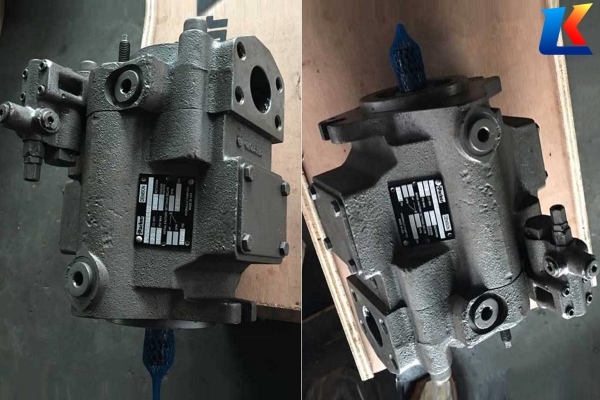
Parker DENISON Goldcup pump hydraulic pump for TBM
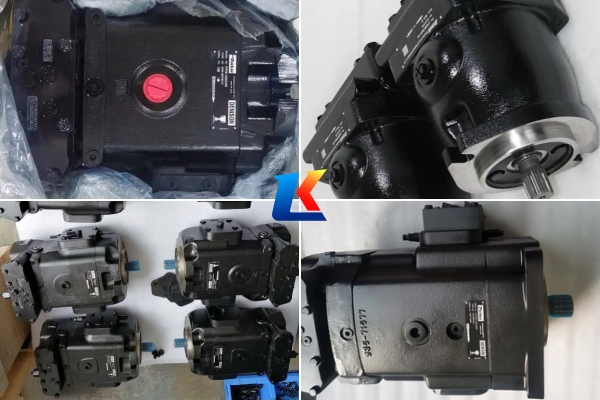
The Parker DENISON Goldcup hydraulic pump is a high-performance variable displacement axial piston pump specifically designed and optimized for roadheader applications. Integrating advanced hydrostatic transmission technology and rugged structural design, it provides stable, efficient and reliable power output for various types of hydraulic roadheaders, effectively adapting to the harsh working conditions such as high load, high impact, continuous operation and harsh underground environments in roadheader operations.
1. Core Features
- Rocker Cam and Cradle Assembly: It adopts a hydrostatically balanced rocker cam and cradle structure, which realizes smooth variable displacement without relying on roller bearings or trunnions, thereby reducing noise emission and mechanical wear to the greatest extent. The unique design ensures the lowest noise level and hysteresis in the industry, and improves the stability of the pump during long-term continuous operation of the roadheader under underground harsh conditions.
- Exclusive Servo Control System: Equipped with a high-precision rotary servo control system, it can instantly respond to input commands and compensate for system pressure changes. The compact vane chamber design reduces the volume of trapped control fluid, ensuring stable control performance. The servo stem is controlled by an external signal with an adjustable angle range of +19° to -19°, which can accurately control the pump displacement and match the different power demands of the roadheader during excavation, cutting and walking processes.
- Servo Pressure Control: The servo pressure is precisely regulated by the servo relief valve, and the replenishing oil is first supplied to the servo system to ensure the reliability of the control system. The pressure modulating pin realizes the synchronous increase of servo pressure with system pressure (40 psi/2.8 bar servo pressure increase per 1000 psi/69 bar system pressure increase), which improves the adaptive capacity of the pump under variable load conditions of roadheaders (such as alternating cutting of hard and soft rock strata).
- Rugged and Durable Structure: All internal wear surfaces adopt hydrostatic balance or hydraulic linkage design, which prolongs the service life of the pump. The modular control and quick-change valve block design facilitates on-site maintenance and replacement without disassembling the entire transmission system, which is suitable for the emergency maintenance needs of roadheader underground construction sites (with limited operation space).
- Strong Environmental Adaptability: It is equipped with high-pressure mechanical shaft seals (double lip seals optional), which have excellent sealing performance and can effectively prevent the intrusion of dust, coal dust, rock debris and other impurities in roadheader operations. The pump can work stably in harsh underground environments such as high temperature, high humidity, strong vibration and poor ventilation, ensuring the continuous operation of the roadheader.
2. Key Technical Parameters
| Parameter Item | Specification |
| Pump Type | Variable Displacement Axial Piston Pump |
| Maximum Displacement | 6.00 – 30.60 in³/rev (98.3 – 501.5 cm³/rev) (depending on model) |
| Continuous Working Pressure | 5000 psi (345 – 350 bar) |
| Intermittent Working Pressure | 6000 psi (414 bar) (for P6/P7 models); 4500 psi (310 bar) (for P8 model) |
| Maximum Continuous Speed | 1800 – 3000 rpm (depending on model) |
| Flow Rate (at 1500 rpm) | 148 – 753 lpm (depending on model) |
| Case Pressure (Continuous) | 75 psi |
| Shaft Type | SAE Keyed or Splined Shaft (optional double lip shaft seal) |
| Seal Material | Nitrile (Buna N), EPR, Fluorocarbon (Viton) (optional) |
3. Application Adaptability for Roadheaders
The Parker DENISON Goldcup hydraulic pump is widely applicable to various types of hydraulic roadheaders, including tunnel roadheaders, coal mine roadheaders and rock roadheaders. It provides stable power support for the cutting mechanism, walking mechanism, steering mechanism and slag discharge mechanism of the roadheader, and its excellent pressure and flow regulation performance can realize the stepless adjustment of the roadheader’s cutting force and excavation speed, adapting to different underground working conditions (tunnel engineering, coal mining, rock excavation) and stratum characteristics (soft rock, hard rock, composite stratum).
In addition, the pump has the function of bidirectional flow control, which can quickly switch the excavation speed and working mode of the roadheader, improve the construction efficiency. The integrated auxiliary pump design can provide power for the control system and lubrication system of the roadheader, realizing the integration of power supply and simplifying the hydraulic system structure of the equipment, which is suitable for the compact installation space of underground roadheaders.
4. Installation and Maintenance Notes
- Before installation, check whether the pump model, displacement and pressure rating match the roadheader’s hydraulic system requirements, and ensure that the pump is free from damage during transportation (especially for underground transportation with frequent vibration).
- The hydraulic system pipeline must be thoroughly cleaned before installation to prevent debris from entering the pump and causing wear or failure of internal components. The inlet and outlet pipelines should be connected firmly to avoid oil leakage under high pressure, which may lead to potential safety hazards in underground operations.
- Fill the hydraulic oil tank with clean hydraulic oil that meets the specifications, and ensure that the oil viscosity is suitable for the underground working environment temperature (avoiding excessive viscosity at low temperature or excessive thinning at high temperature). Regularly replace the hydraulic oil and oil filter (recommended replacement cycle: 2000 working hours) to maintain the cleanliness of the oil liquid and prevent blockage of internal components.
- During daily operation, regularly check the pump’s operating temperature, noise and oil leakage. If abnormal phenomena are found, stop the machine immediately for inspection to avoid further damage to the pump and affect the normal operation of the roadheader (which may cause construction interruption in underground confined space).
- When replacing wearing parts, use genuine Parker DENISON accessories to ensure the matching performance and service life of the pump. The disassembly and assembly of the pump should be carried out by professional technicians in accordance with the maintenance manual, and the operation should be standardized to adapt to the limited underground operation space.
5. Safety Precautions
- Do not disassemble or adjust the pump when the hydraulic system is under pressure to avoid high-pressure oil jetting and causing personal injury, especially in the narrow underground operation space where the risk of injury is higher.
- During maintenance, cut off the power supply of the roadheader and release the pressure of the hydraulic system first, and set up warning signs to ensure the safety of the operation in the underground construction environment.
- It is strictly prohibited to overload the pump beyond the rated pressure and speed to prevent premature failure of the pump and affect the normal operation of the roadheader, which may lead to construction stagnation and increase underground operation risks.
- Operators must be trained professionally and familiar with the working principle and operation specifications of the pump before operating the roadheader, and master the emergency handling methods of pump failure in underground environment.
As a core component of the roadheader’s hydraulic system, the Parker DENISON Goldcup hydraulic pump has been verified by a large number of underground engineering practices, with excellent performance, high reliability and long service life, which can effectively improve the excavation efficiency and operation stability of the roadheader, reduce the maintenance cost and downtime, and ensure the smooth progress of underground construction.