Marine equipment hydraulic pumps
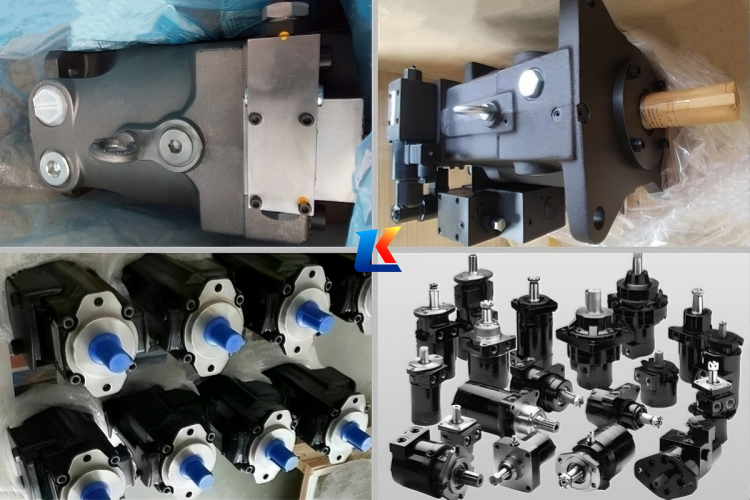
Series and Specifications/Models of Hydraulic Pumps for Marine Equipment
Hydraulic pumps are the core power source of marine hydraulic systems, widely used in various marine equipment such as marine propulsion systems, steering gears, windlasses, winches, cranes, and ballast systems. They are responsible for converting mechanical energy into hydraulic energy, ensuring the safe, stable and efficient operation of marine equipment under harsh marine environments (high humidity, salt corrosion, variable load). According to the working principle, structural characteristics and marine application requirements, the commonly used hydraulic pumps for marine equipment are mainly divided into three major series: gear pump series, vane pump series and piston pump series. Each series has corresponding specifications and models, clearly distinguished by core parameters such as displacement, pressure rating, corrosion resistance level and installation type, to meet the diverse needs of different marine equipment.
1. Gear Pump Series (Gear Pumps) for Marine Equipment
Gear pumps are widely used in low and medium-pressure marine hydraulic systems due to their simple structure, strong corrosion resistance, reliable operation and easy maintenance. They are mainly applied to auxiliary marine equipment, such as marine bilge pumps, fuel transfer pumps, ballast system auxiliary pumps and small winches. They are divided into external gear pumps and internal gear pumps, among which external gear pumps are more widely used in marine scenarios due to their better adaptability to harsh environments.
1.1 Common Series and Specifications
- External Gear Pump Series: CB series, CBN series, CBG series, marine-specific CBM series, etc. These series are suitable for low-pressure, high-flow marine auxiliary systems, such as bilge water discharge, fuel transportation and ballast tank auxiliary control. The specifications are mainly distinguished by displacement (unit: mL/r), pressure rating (unit: MPa) and corrosion resistance grade.
- Examples of models: CB-B16, CB-B32, CBN-E320, CBG2100, CBM-25. Among them, “CB” represents the standard external gear pump, “B” is the basic structure type, “16” and “32” indicate displacements of 16 mL/r and 32 mL/r respectively, suitable for small marine auxiliary pumps; “CBN” is a high-pressure external gear pump with a pressure rating of 16-25 MPa, applicable to marine winch auxiliary systems; “CBG2100” is a heavy-duty gear pump with a displacement of 100 mL/r, suitable for marine ballast auxiliary systems; “CBM” is a marine-specific gear pump with enhanced corrosion resistance, suitable for saltwater environment, and “25” indicates a displacement of 25 mL/r.
- Internal Gear Pump Series: IGP series, GPY series, marine-specific MGP series, etc. They have the advantages of low noise, smooth operation and low energy consumption, and are suitable for precision marine equipment, such as marine steering gear auxiliary circuits and fuel injection systems. Common models: IGP-25, GPY-40, MGP-32, with displacements ranging from 8 mL/r to 150 mL/r, pressure ratings of 10-31.5 MPa, and corrosion-resistant materials to adapt to marine saltwater environments.
2. Vane Pump Series (Vane Pumps) for Marine Equipment
Vane pumps have the characteristics of uniform flow, high volumetric efficiency, low noise and stable performance, and are widely used in medium-pressure marine hydraulic systems. They are mainly applied to marine steering gears, medium-sized winches, marine cranes and cabin equipment control systems. They are divided into single-acting vane pumps and double-acting vane pumps, with double-acting vane pumps being the main type in marine equipment due to their stable flow and high efficiency.
2.1 Common Series and Specifications
- Double-Acting Vane Pump Series: PV2R series, V series, YB series, marine-specific MV series, etc. These series have high efficiency and strong environmental adaptability, suitable for marine hydraulic systems that require continuous and stable operation, such as marine steering gears, medium-sized cranes and winches. The specifications are determined by displacement, pressure rating, installation dimension and corrosion resistance parameters.
- Examples of models: PV2R1-31, PV2R2-63, V15-2P, YB1-40, MV-35. “PV2R” is a common high-efficiency double-acting vane pump series, “1” and “2” represent the frame size, “31” and “63” indicate displacements of 31 mL/r and 63 mL/r respectively, suitable for marine steering gears; “V” series is an energy-saving vane pump with low noise, suitable for cabin equipment control; “YB1-40” is a standard double-acting vane pump with a displacement of 40 mL/r, applicable to medium-sized marine winches; “MV” is a marine-specific vane pump with anti-corrosion and anti-vibration design, “35” indicates a displacement of 35 mL/r.
- Single-Acting Vane Pump Series: PV1R series, marine-specific MPV series, etc. They are mainly used in marine hydraulic systems that require variable flow, such as marine variable-speed winches and adjustable steering gear systems. Common models: PV1R1-16, PV1R2-32, MPV-20, with displacements of 10-80 mL/r, pressure ratings of 16-31.5 MPa, and adjustable flow to adapt to variable load working conditions of marine equipment.
3. Piston Pump Series (Piston Pumps) for Marine Equipment
Piston pumps have the advantages of high pressure rating, high volumetric efficiency, large power range and strong load capacity, and are suitable for high-pressure, high-power marine hydraulic systems. They are mainly applied to marine main propulsion systems, large-scale cranes, heavy-duty winches, and marine hydraulic stations. They are divided into axial piston pumps and radial piston pumps, with axial piston pumps being the most widely used in marine equipment due to their compact structure and high efficiency.
3.1 Common Series and Specifications
- Axial Piston Pump Series: A4VSO series, PVH series, 10SCY series, marine-specific MPA series, etc. These series are high-pressure, high-efficiency pumps with strong corrosion resistance and anti-vibration performance, suitable for harsh marine working conditions, such as marine main propulsion hydraulic systems, large-scale cranes and heavy-duty winches. The specifications are distinguished by displacement, pressure rating, control mode (manual, electric, hydraulic) and corrosion resistance level.
- Examples of models: A4VSO180DR/30R-PPB13N00, PVH131R01AA10A250000002001AB010A, 10SCY14-1B, MPA-150. “A4VSO180DR” is a variable axial piston pump with a displacement of 180 mL/r and a pressure rating of 31.5 MPa, suitable for marine main propulsion systems; “PVH131” is a high-pressure axial piston pump with strong anti-corrosion performance, applicable to large-scale marine cranes; “10SCY14-1B” is a quantitative axial piston pump with a pressure rating of 10 MPa, suitable for marine hydraulic stations; “MPA-150” is a marine-specific axial piston pump with anti-salt corrosion and anti-vibration design, suitable for heavy-duty marine winches.
- Radial Piston Pump Series: CR series, marine-specific MCR series, etc. They have the characteristics of high pressure, large torque and stable operation, and are suitable for special high-pressure marine scenarios, such as marine high-pressure hydraulic stations and large-scale ballast systems. Common models: CR20-2, CR30-3, MCR-25, with pressure ratings up to 40 MPa, displacements of 15-100 mL/r, and high corrosion resistance to adapt to long-term marine operation.
4. Key Notes on Specifications and Models (for Search Optimization)
For hydraulic pumps for marine equipment, the specification and model usually include core information: series code (indicating pump type and structure), displacement (determining flow rate), pressure rating (adapting to marine equipment working pressure), corrosion resistance level (adapting to saltwater environment), installation type (flange, foot installation) and control mode (for variable pumps). When selecting, it is necessary to match the working conditions of marine equipment (such as low/medium/high pressure, load capacity, corrosion resistance requirements) and marine environmental characteristics to ensure safe, stable and long-term operation of the system. The above series and models are the most commonly used in the marine industry, covering most application scenarios of marine propulsion, deck machinery and cabin equipment.