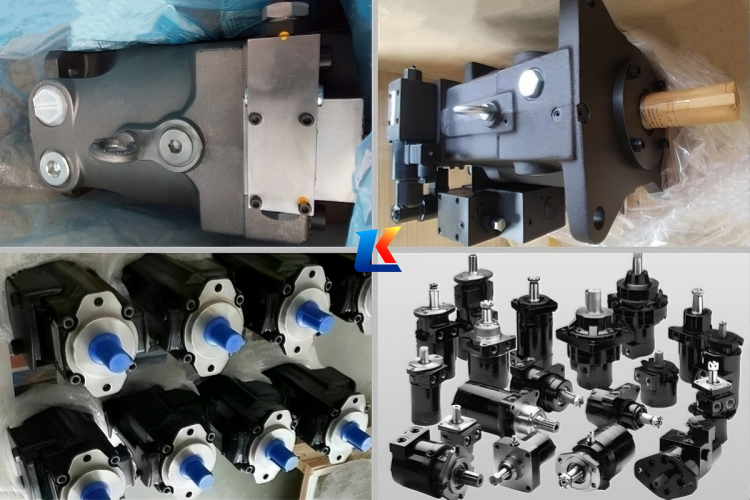
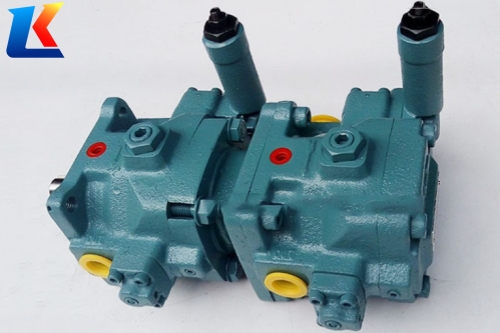
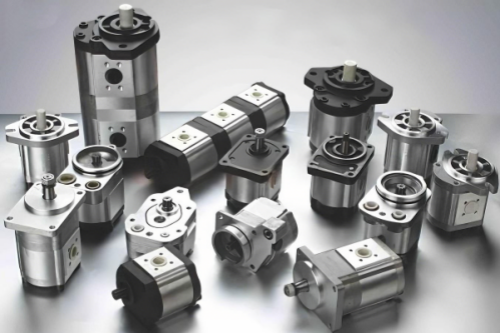
NACHI sprayer quantitative piston pump
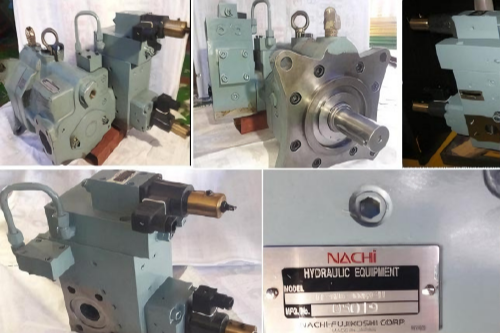
NACHI Quantitative Piston Pump for Sprayers
1. Product Overview
The NACHI Quantitative Piston Pump is a high-performance core component specifically designed for sprayer systems. As a volumetric pump with advanced hydraulic technology, it realizes precise metering and stable delivery of liquids by means of the reciprocating motion of the plunger in the cylinder block. This pump is well-known for its high pressure resistance, excellent durability and accurate flow control, making it an ideal choice for various professional spraying scenarios that require strict control of liquid dosage.
NACHI, as a leading manufacturer of hydraulic equipment, integrates rich experience in precision machining and hydraulic system research and development into the design of this quantitative piston pump. It is perfectly matched with sprayer systems, ensuring efficient and reliable operation even in harsh working environments such as high pressure, high frequency and long-term continuous work.
2. Core Features
- High Precision Quantitative Delivery: Equipped with a precise stroke adjustment mechanism, the pump can accurately control the discharge volume per revolution. The flow rate is stable and not easily affected by changes in working pressure, ensuring uniform spraying of liquids and improving the effect of spraying operations.
- Superior High-Pressure Performance: Adopting a patented axial and radial pressure loading system, it can generate working pressure up to 30MPa (306 kgf/cm²), which can meet the requirements of long-distance and high-pressure spraying. At the same time, it maintains high efficiency under rated pressure, and the overall efficiency can reach 90% when the pressure is 25MPa.
- Low Noise and Low Vibration: The modified involute short-tooth internal gearing design is adopted to greatly reduce pulsation and noise during operation. In addition, the semi-circular barrel swash plate structure further optimizes the force balance of the pump, achieving extremely quiet operation and reducing the impact of noise on the working environment.
- Strong Durability: The key components such as plungers and gears are made of high-quality materials with high rigidity and wear resistance. The friction between components is minimized through precise machining and optimized structural design, ensuring a long service life even under continuous operation conditions.
- Easy Maintenance: The pump has a simple and compact structure, and the key components are easy to disassemble and assemble. Daily inspection and maintenance work such as seal replacement and lubrication can be completed quickly, reducing maintenance costs and downtime.
- Wide Adaptability: It is compatible with various hydraulic oils such as R&O type and wear-resistant type of ISO VG 32 to 68. The operating temperature range is 5 to 65°C, and it can adapt to different working environments such as agriculture, industry and construction.
3. Operational Principle
The NACHI Quantitative Piston Pump for Sprayers operates based on the volumetric change principle caused by the reciprocating motion of the plunger. The specific working process is divided into two stages: suction and discharge :
- Suction Stage: Driven by the motor, the crankshaft-connecting rod mechanism converts the rotary motion into the reciprocating linear motion of the plunger. When the plunger moves backward to the bottom dead center, the volume of the sealed working chamber in the cylinder block increases, forming a negative pressure. Under the action of atmospheric pressure or positive suction head, the liquid is sucked into the working chamber through the suction valve (one-way valve).
- Discharge Stage: When the plunger moves forward to the top dead center, the volume of the sealed working chamber decreases, and the liquid in the chamber is compressed, resulting in a rapid increase in pressure. When the pressure exceeds the outlet pressure, the discharge valve (one-way valve) opens, and the liquid is pressed out of the pump body at a constant flow rate, realizing quantitative delivery to the sprayer system.
The quantitative control of the pump is achieved by adjusting the stroke length of the plunger. By rotating the adjustment dial, the eccentric distance of the crankshaft can be changed, thereby changing the reciprocating stroke of the plunger. The displacement (volume of liquid discharged per revolution) is precisely controlled, and the flow rate can be adjusted flexibly within a certain range to meet different spraying requirements.
4. Technical Specifications
| Parameter | Specification |
|---|---|
| Displacement Range | 3.6 – 125.9 cm³/rev |
| Maximum Working Pressure | 30 MPa (306 kgf/cm²) |
| Rated Pressure | 25 MPa (255 kgf/cm²) |
| Speed Range | 300 – 2000 min⁻¹ (varies by model) |
| Suction Pressure | +0.02 to +0.3 MPa (-0.2 to +0.3 kgf/cm²) |
| Applicable Hydraulic Oil | R&O type, wear-resistant type ISO VG 32 – 68 (viscosity index ≥ 90) |
| Operating Temperature Range | 5 – 65 °C |
| Mounting Method | Foot type (Type A), Flange type (Type B) |
| Weight | 4.5 – 66 kg (varies by model) |
Note: 1. The displacement refers to the theoretical discharge volume per revolution; 2. The maximum working pressure is the pressure limit under frequent pressure changes; 3. Avoid installing the pump with the suction port facing downward.
5. Application Fields
Due to its precise quantitative delivery and high-pressure performance, the NACHI Quantitative Piston Pump for Sprayers is widely used in various fields that require efficient and accurate spraying operations :
- Agricultural Field: Used in agricultural sprayers for precise spraying of pesticides, fertilizers and plant growth regulators. It ensures uniform dosage per unit area, improves the utilization rate of agricultural chemicals and reduces environmental pollution.
- Industrial Cleaning: Applied in high-pressure cleaning sprayers for cleaning equipment, machinery parts, vehicles and buildings. The high-pressure and stable liquid delivery ensures thorough cleaning效果.
- Chemical Industry: Used in chemical spraying equipment for precise delivery of corrosive or high-viscosity chemical media, such as coatings, adhesives and chemical reagents.
- Environmental Protection Field: Applied in sewage treatment sprayers for adding flocculants, disinfectants and other agents, ensuring accurate dosage and improving water treatment efficiency.
- Construction Field: Used in engineering sprayers for spraying waterproof materials, fireproof coatings and other construction materials, ensuring uniform coating and high construction quality.
6. Usage and Maintenance Recommendations
6.1 Usage Precautions
- Select the appropriate hydraulic oil according to the working environment and requirements, and ensure that the oil is clean and free of impurities to avoid damaging the pump components.
- When starting the pump at an oil temperature below 5 °C, perform a warm-up operation at low pressure until the oil temperature rises to the normal operating range.
- Use a flexible coupling to connect the pump shaft and the drive shaft, and control the eccentricity between the two shafts within 0.05 mm and the angle error within 1 inch to avoid additional load on the pump shaft.
- Maintain the suction pressure within the specified range, and ensure that the flow velocity of the suction port does not exceed 2 m/s to prevent cavitation.
6.2 Maintenance Suggestions
- Regularly check the oil level, oil quality and oil temperature of the hydraulic system, and replace the hydraulic oil and filter element according to the usage cycle.
- Inspect the seal components regularly. If leakage, aging or damage is found, replace them in time to ensure the sealing performance of the pump.
- Clean the suction and discharge valves regularly to ensure their flexible opening and closing, and avoid blockage affecting the pump’s working performance.
- Check the wear of plungers, cylinder blocks and other key components regularly. If excessive wear is found, repair or replace them in time to ensure the pump’s quantitative accuracy and working efficiency.
- Keep the pump body clean, and clean the external dirt and oil stains regularly to facilitate heat dissipation and inspection.