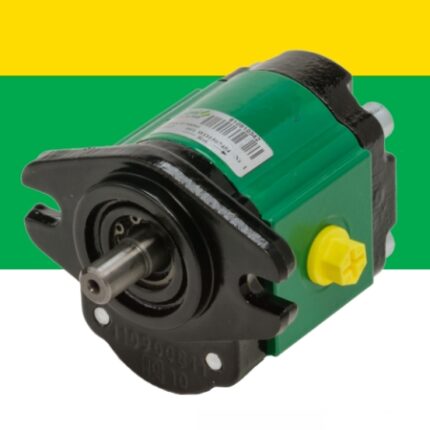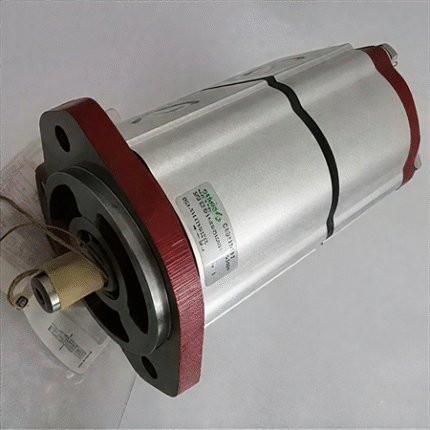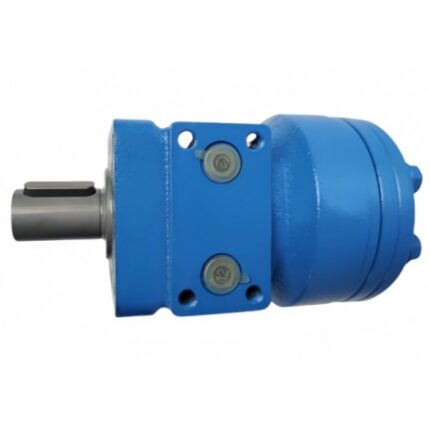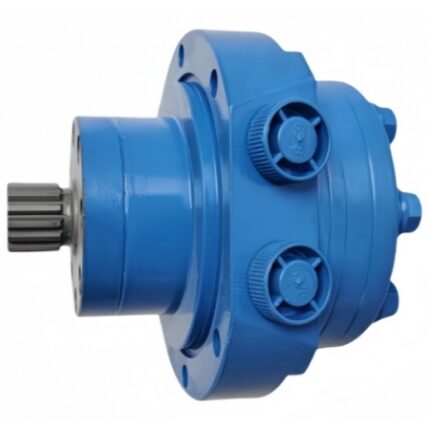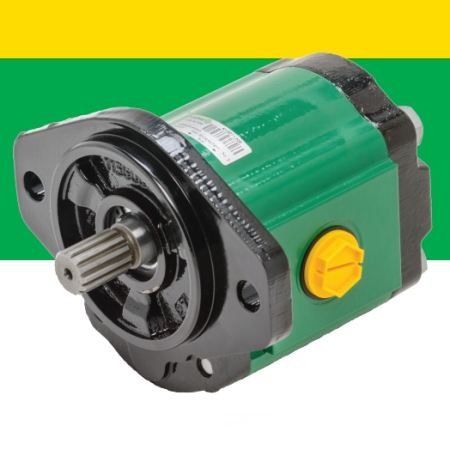
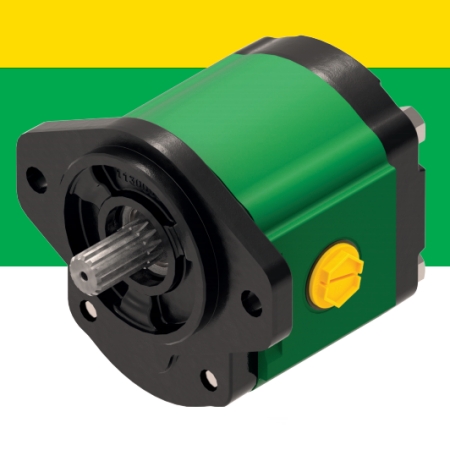
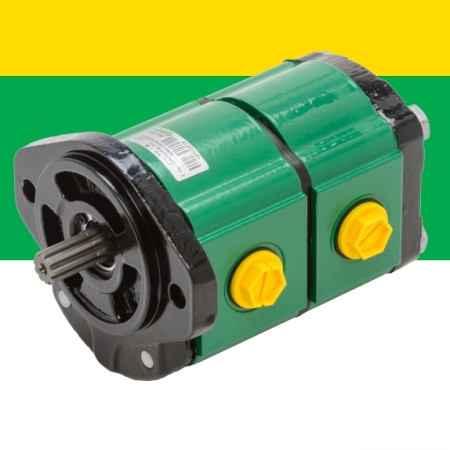
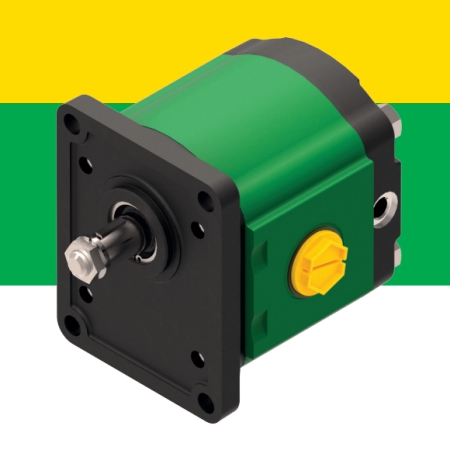
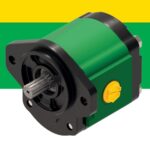
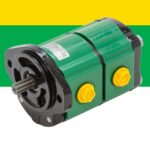
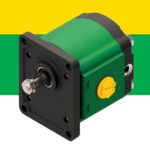
2.5MB-28、 2.5MB-32 gear motor
The specifications of the 2.5MB series gear motors cover multiple displacement models: 2.5MB-16, 2.5MB-19, 2.5MB-22, 2.5MB-25, 2.5MB-28, 2.5MB-32, 2.5MB-38, 2.5MB-44.
The specifications of the 2.5MB series Salami gear motors cover multiple displacement models, with displacement ranging from 16 cm3/rev to 44 cm3/rev, including 2.5MB-16, 2.5MB-19, 2.5MB-22, 2.5MB-25, 2.5MB-28, 2.5MB-32, 2.5MB-38, 2.5MB-44 and so on.
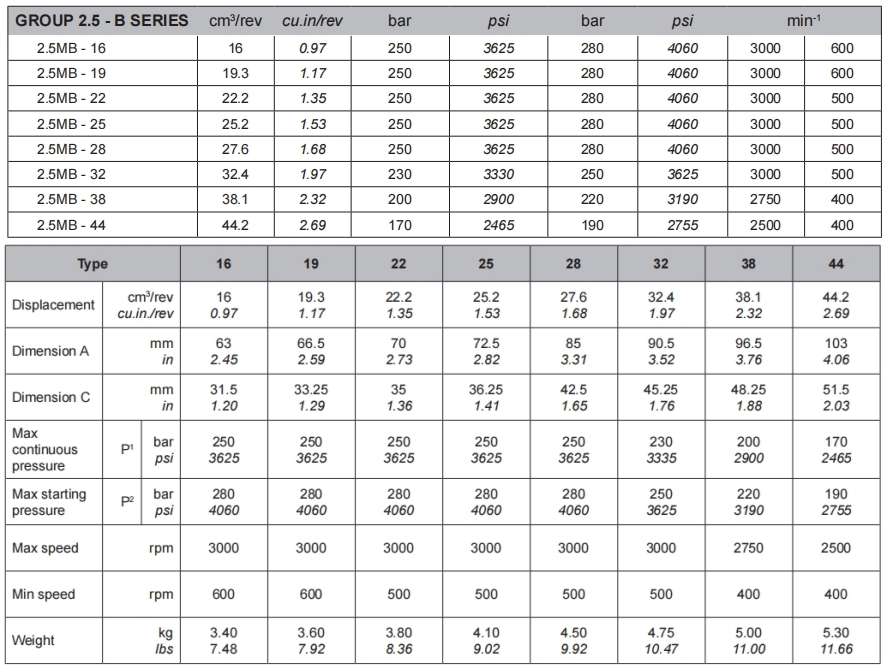
These types of gear motors show an increasing trend in displacement, which can meet the flow and power requirements of different application scenarios.For example:
2.5MB-16: The displacement is 16 cm3/rev, which is suitable for light-load applications with small flow requirements.
2.5MB-28: The displacement is 28 cm3/rev, which is suitable for applications with medium flow requirements, such as small machinery and equipment.
2.5MB-44: The displacement is 44 cm3/rev, which can provide a large flow rate, and is suitable for heavy loads or occasions where high power output is required.
Product features:
Compact structure: The 2.5MB series gear motor has a compact design, small size and light weight, which is easy to install and use in space-limited situations.
Efficient and reliable: high-quality materials and precision manufacturing technology are used to ensure that the gear motor has high efficiency and reliability during operation.
Multiple connection methods: provide a variety of flange connections and shaft extension connections, such as SAE standard flanges, which are easy to match and install with different equipment.
Wide range of applications: it is suitable for construction machinery, agricultural equipment, industrial automation and other fields to provide a stable and reliable power source for hydraulic systems.
Application scenario:
Construction machinery: such as excavators, loaders, etc., provide power for the hydraulic system and drive the movement of the working device.
Agricultural equipment: such as tractors, harvesters, etc., are used to drive hydraulic motors to realize the walking and operating functions of the equipment.
Industrial automation: In automated production lines, robots and other equipment, it provides power for the hydraulic system to achieve precise control.