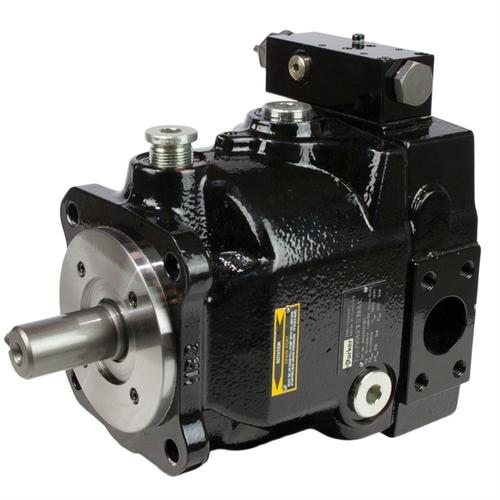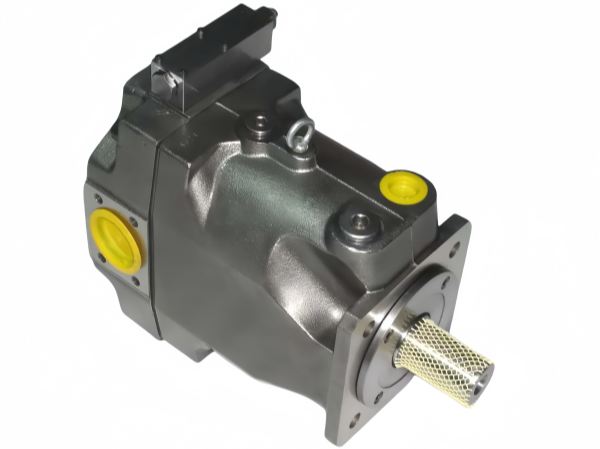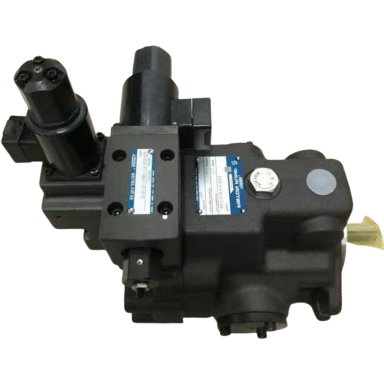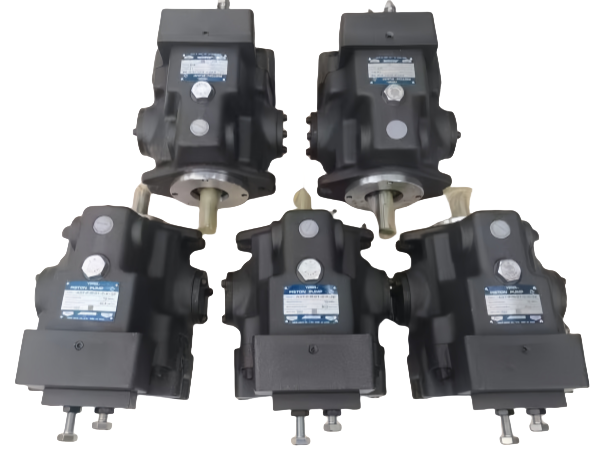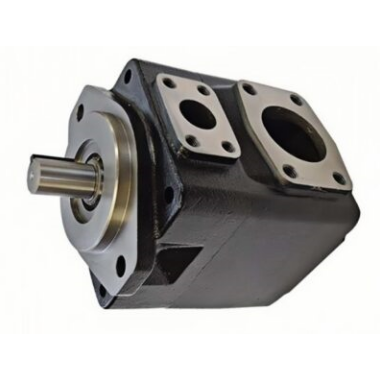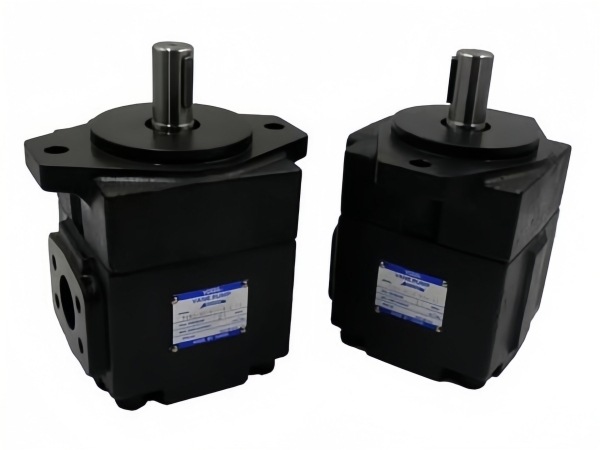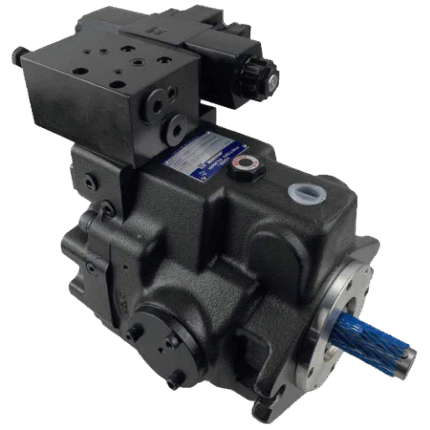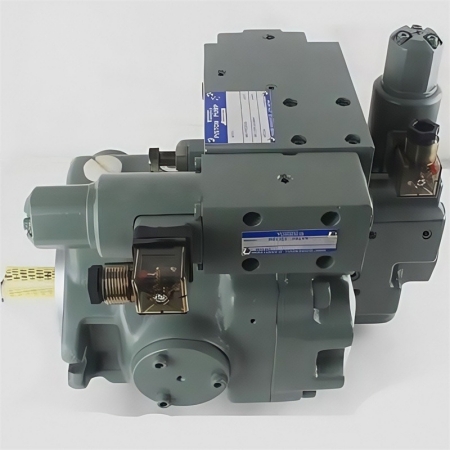
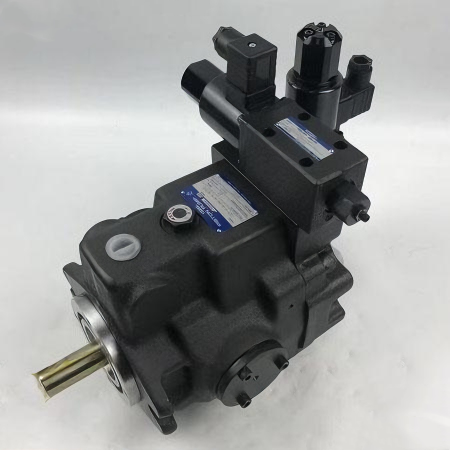
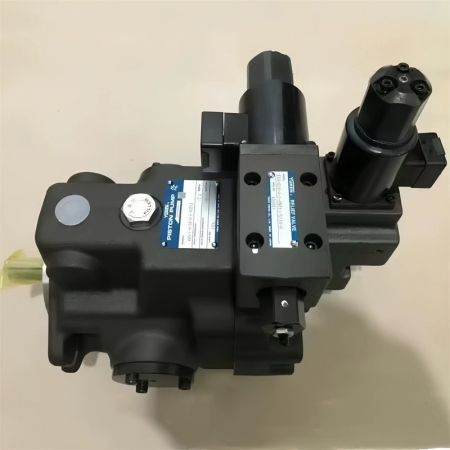



A220 series yuken Variable piston pump
Youyan A series variable piston pumps have a wide range of displacement, ranging from 10cm3/rev to 219cm3/Rev. Common displacement includes: A10, A16, A22, A37, A56, A70, A90, A145
E-mail: hyd-sales2009@outlook.com
YUKEN A series variable piston pumps have a wide range of displacement, ranging from 10cm3/rev to 219cm3/Rev. Common displacement includes:
A10 series : displacement 10.0cm3/rev
A16 series : displacement 15.8cm3/rev
A22 series : displacement 22.2cm3/rev
A37 series : displacement 36.9cm3/rev
A56 series : displacement 56.2cm3/rev
A70 series : displacement 70.0cm3/rev
A90 series : displacement 91.0cm3/rev
A145 series : displacement 145cm3/rev
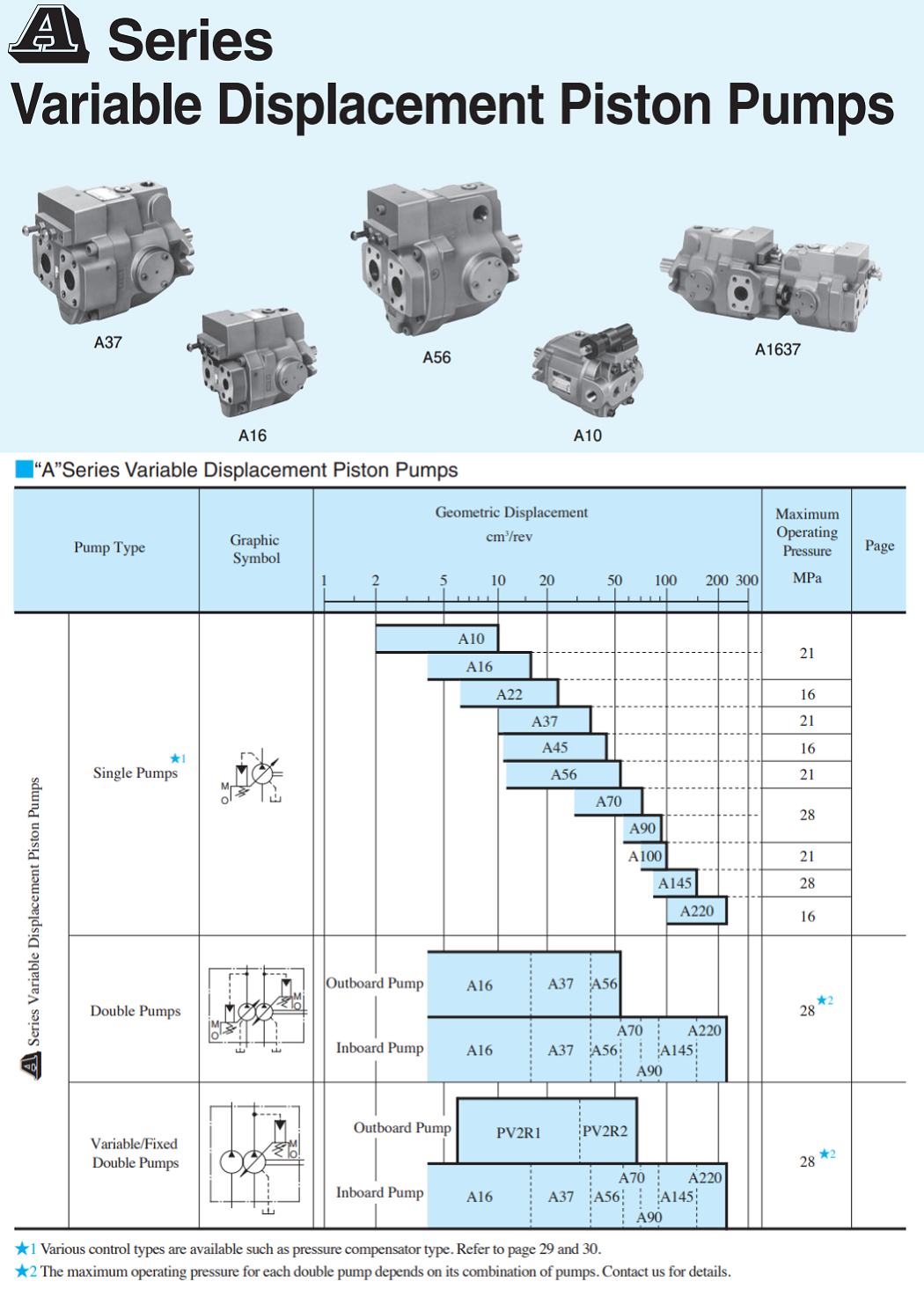
The specifications of YUKEN A220 series variable piston pumps are as follows:
Basic parameters
Type: Variable piston pump (axial plunger design)
Displacement range:
The A220 series usually covers larger displacement. For specific values, please refer to the last two digits of the model (for example, the “04” of A220-L-R-04-C-S-K-32 may be related to the displacement level), but the overall displacement range may range from tens of milliliters per revolution to hundreds of milliliters per revolution.
Rated pressure:
The rated pressure of conventional models is 25 MPa, and the high-pressure models can reach 70 MPa (such as A220-FR01KS-60).
Speed range:
The standard speed is 1800 r/min, and the applicable range is usually 1000-3000 r/min.
Application scenario
Industrial machinery: hydraulic systems for CNC machine tools, machining centers and other equipment.
Construction machinery: hydraulic transmission system for excavators and loaders.
Ships and marine platforms: hydraulic control systems for steering gear and anchor gear.
Metallurgy and petrochemical industry: hydraulic transmission systems for smelting processes and oilfield equipment.