Sale
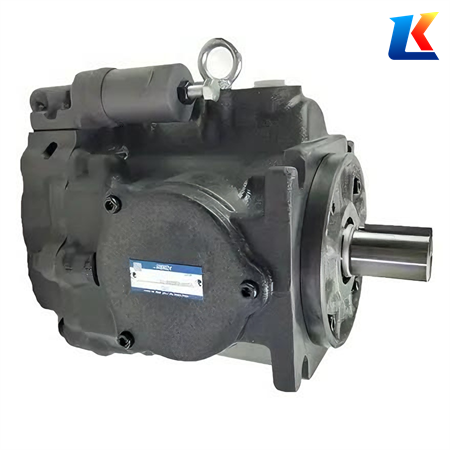
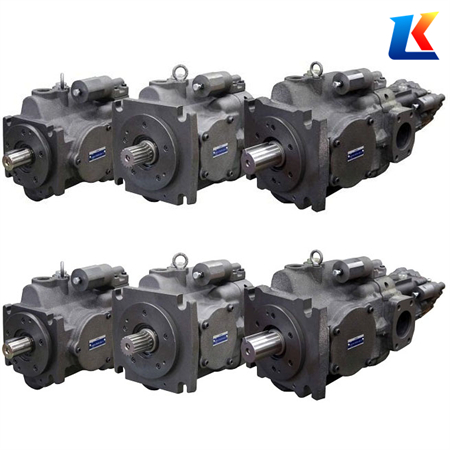
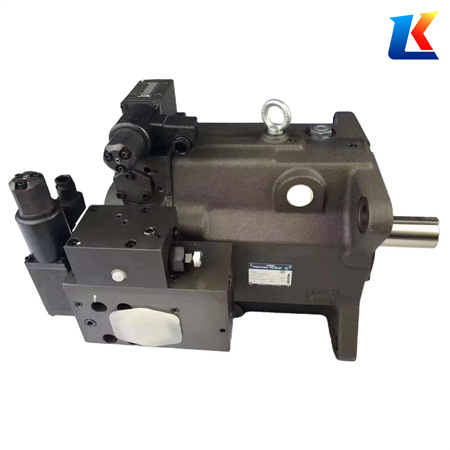
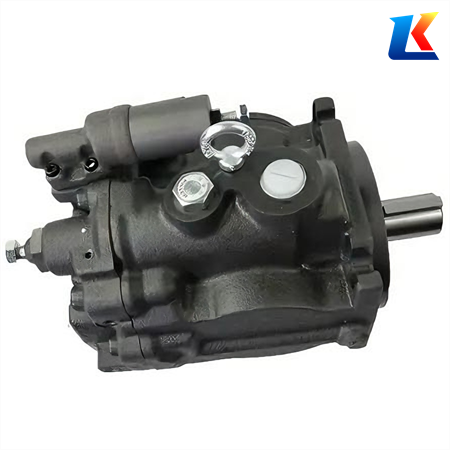
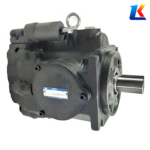
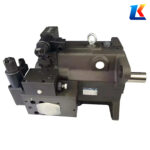
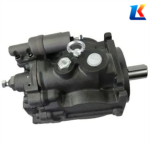

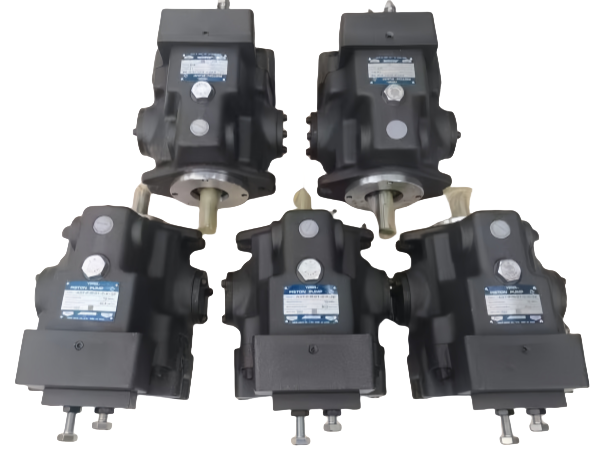
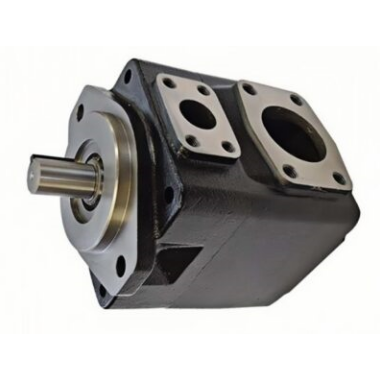
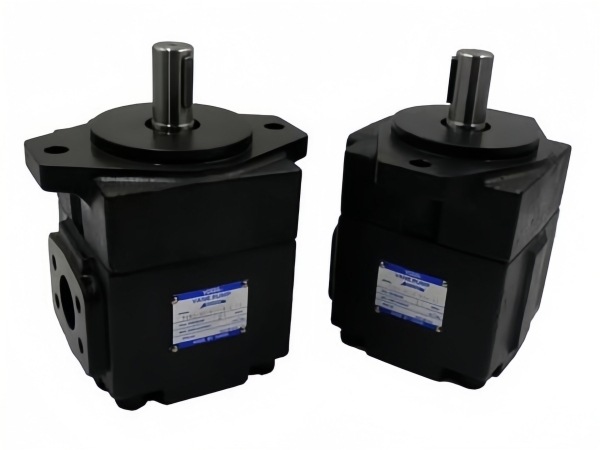
A3H56-FR01KK-10 Yuken variable piston pump
YUKEN piston pump series: A series, AR series, ARL1 series, A3H series, A3HG series, A7H series.
Whats app: +86 13728707767
E-mail: hyd-sales2009@outlook.com
We are a professional manufacturer of hydraulic pumps, offering a complete range of products. Inquiries are welcome! (#^.^#)
Description
Instruction Manual for Yuken High-Pressure Variable Displacement Piston Pump A3H56-FR01KK-10
1. Product Overview
The Yuken A3H56-FR01KK-10 is a high-pressure variable displacement piston pump designed for medium-sized industrial applications, such as medium-sized machine tools, hydraulic workstations, industrial production lines, and hydraulic systems requiring stable pressure and reliable operation. It features a compact structure, high efficiency, and strong anti-pollution performance, with a rated pressure range of 28-35MPa, ensuring stable and reliable operation in various high-demand industrial working conditions.
This pump adopts advanced variable displacement control technology, which can flexibly adjust the output flow according to the real-time demand of the hydraulic system, effectively reducing energy consumption and improving the overall efficiency of the system. The FR01KK control mode is a constant pressure control type, which can maintain stable system pressure and realize automatic flow adjustment, with reliable performance and simple operation, meeting the stable pressure operation needs of medium-sized hydraulic systems in industrial production scenarios.
2. Technical Specifications
|
Item
|
Specification
|
|
Model
|
A3H56-FR01KK-10
|
|
Type
|
High-Pressure Variable Displacement Piston Pump
|
|
Rated Pressure
|
28-35MPa
|
|
Displacement
|
56cc/rev
|
|
Speed Range
|
800-2000r/min (Adjust to 0-40kPa suction pressure when speed exceeds 2000r/min)
|
|
Recommended Hydraulic Oil
|
Petroleum-based anti-wear hydraulic oil or R&O (rust and oxidation inhibitor) hydraulic oil (ISO VG 32 or 46)
|
|
Viscosity Range
|
20-400 mm²/s
|
|
Operating Temperature Range
|
0-60℃
|
|
Oil Contamination Control
|
Maintain within NAS Grade 10
|
|
Pre-fill Oil Volume
|
1200cm³
|
3. Installation Instructions
3.1 Installation Requirements
-
Install the pump in a well-ventilated, clean area away from high-temperature heat sources and corrosive substances. Ensure the installation surface is flat and firm to avoid vibration during operation, which may affect the precision of the FR01KK constant pressure control system.
-
The filling port of the pump must be positioned upwards. The height of the pump suction port should be within 0.8 meters from the oil level in the reservoir[3] to ensure stable suction and avoid pressure fluctuations that affect control accuracy.
-
Use a flexible coupling whenever possible to avoid bending or thrust stress on the pump shaft. The maximum permissible misalignment is less than 0.1mm TIR, and the maximum permissible misangularity is less than 0.2°[3], so as not to damage the internal components and affect the constant pressure control performance.
3.2 Piping Installation
-
Suction Piping: Use pipes with the same diameter as the specified pipe flange. Equip the suction port with at least a 100μm (150 mesh) reservoir-type filter. If the pump is installed above the oil level, the suction piping and suction line filter should be located lower than the pump position to prevent air from entering the suction line[3], which may cause unstable control of the FR01KK system.
-
Drain Piping: Install drain piping according to the standard chart. Ensure the pressure within the pump housing is maintained at a normal pressure of less than 0.1MPa and a surge pressure of less than 0.5MPa. The length of the drain piping should be less than 1m, and the pipe end should be submerged in oil. The recommended inner diameter of the drain pipe for A3H56 is 15mm or more (3/8” or more)[3] to ensure smooth oil drainage and stable pump operation.
-
Discharge Piping: Install a safety valve in the circuit to eliminate damage to equipment and piping caused by surge pressure when the delivery line is suddenly blocked. When using steel pipes for suction or discharge ports, avoid excessive load from the piping to the pump (which may generate excessive noise); use rubber hoses if excessive load is a concern, so as not to affect the constant pressure control accuracy.
3.3 Air Bleeding
Before the first start-up, bleed air from the pump case and outlet line to eliminate vibration causes and ensure the stability of the FR01KK constant pressure control system. Fill the pump case with clean operating oil through the fill port to avoid air blockage during initial operation[3], which may lead to control failure.
4. Operation Instructions
4.1 Pre-Start Check
-
Check that all pump components are fastened and there is no loose connection, especially the connecting parts of the FR01KK constant pressure control device.
-
Ensure the hydraulic oil is clean and meets the specified grade and viscosity requirements. Check the oil level in the reservoir to ensure it is within the normal range, as oil quality and level directly affect the performance of the proportional control system.
-
Open the suction and discharge valves completely to avoid pressure buildup in the pipeline, which may damage the control components.
-
Verify that the FR01KK constant pressureconstant pressure control valve is adjusted properly so that the oil discharged from the pump can be directly returned to the tank or the actuator moves under no load during the first start-up, preventing impact on the control system.
4.2 Start-Up Operation
-
Start the motor at low speed and run it idly for 1-2 minutes to allow the hydraulic oil to circulate and lubricate all components, especially the internal parts of the FR01KK constant pressure control device.
-
Gradually increase the speed to the rated speed, and check the pump for abnormal noise, vibration, or oil leakage, which may indicate faults affecting control performance.
-
Monitor the pressure gauge and vacuum gauge readings to ensure they are within the specified range. Adjust the FR01KK constant pressure control device according to the working demand, set the required pressure and flow constant pressure parameters, and ensure the control system operates stably.
4.3 Operation Monitoring
During operation, regularly check the following items to ensure the stable operation of the pump and the FR01KK constant pressure control system:
-
Pressure and flow: Ensure they are stable and meet the system requirements, especially the constant pressure stability performance of the FR01KK control mode, and adjust in time if there is any deviation.
-
Oil temperature: Do not exceed 60℃; take cooling measures if necessary, as excessive oil temperature will affect the sensitivity of the constant pressure control valve.
-
Shaft seal: Check for oil leakage; replace the seal if leakage occurs to avoid affecting the pressure stability of the system.
-
Noise and vibration: Abnormal noise or excessive vibration may indicate air intake, component wear, or misalignment, which should be handled promptly to prevent damage to the proportional control device.
4.4 Shutdown Procedure
-
First, reduce the pump speed to low speed and run it idly for 1-2 minutes to reduce the load on the FR01KK control system.
-
Cut off the motor power, then close the suction and discharge pipeline valves to avoid oil backflow and damage to control components.
-
If the pump will not be used for a long time, drain the hydraulic oil in the pump and pipeline to prevent corrosion, especially the internal parts of the constant pressure control valve.
5. Maintenance and Troubleshooting
5.1 Regular Maintenance
-
Daily Maintenance: Clean the surface of the pump and check for oil leakage, loose connections, and abnormal noise, focusing on the FR01KK constant pressure control device and its connecting parts.
-
Weekly Maintenance: Check the oil level and oil quality; replace the oil if it is contaminated or deteriorated. Clean the suction and return line filters to ensure the oil is clean and avoid clogging the constant pressure control valve.
-
Monthly Maintenance: Inspect the coupling for wear and misalignment; check the shaft seal and replace it if necessary. Verify the accuracy of the FR01KK constant pressure control device and calibrate the constant pressure parameters if there is any deviation.
-
Annual Maintenance: Disassemble the pump (refer to the explosion diagram for parts) to inspect internal components (such as pistons, cylinders, and valves) for wear; replace worn parts and reassemble the pump according to the specifications. Calibrate the FR01KK constant pressure control system to ensure its constant pressure control accuracy and stability.
5.2 Common Troubleshooting
|
Trouble Phenomenon
|
Possible Causes
|
Solutions
|
|
Insufficient flow
|
1. Oil level is too low; 2. Suction filter is clogged; 3. Air intake in the suction line; 4. Wear of internal components; 5. FR01KK constant pressureconstant pressure control valve blockage
|
1. Add hydraulic oil to the normal level; 2. Clean or replace the suction filter; 3. Check the suction piping for leaks and bleed air; 4. Inspect and replace worn components; 5. Disassemble and clean the constant pressure control valve
|
|
Pressure fluctuation
|
1. Oil contamination; 2. FR01KK constant pressureconstant pressureconstant pressure control valve failure; 3. Leakage in the pipeline; 4. Proportional parameter deviation
|
1. Replace the hydraulic oil and clean the system; 2. Inspect and repair the FR01KK constant pressureconstant pressure control valve; 3. Check and seal the pipeline leaks; 4. Recalibrate the proportional control parameters
|
|
Abnormal noise
|
1. Air intake; 2. Coupling misalignment; 3. Insufficient lubrication; 4. Wear of bearings or gears; 5. Proportional control valve stuck
|
1. Bleed air from the system; 2. Adjust the coupling alignment; 3. Check the oil level and viscosity; 4. Replace worn bearings or gears; 5. Clean or repair the constant pressure control valve
|
|
Oil leakage at shaft seal
|
1. Shaft seal wear; 2. Excessive pump housing pressure; 3. Shaft surface damage
|
1. Replace the shaft seal; 2. Check and adjust the drain piping pressure; 3. Repair or replace the pump shaft
|
6. Safety Precautions
-
Before installation, operation, or maintenance, read this manual carefully to understand the product structure and operating requirements, especially the operation rules of the FR01KK constant pressure control system. Unauthorized operation may cause equipment damage or personal injury.
-
Do not exceed the rated pressure and speed during operation; otherwise, it may lead to pump failure, damage to the proportional control device, or safety accidents.
-
When performing maintenance or disassembly, cut off the power supply and release the system pressure to avoid hydraulic oil spraying and personal injury, especially when disassembling the FR01KK constant pressureconstant pressure control valve.
-
Use only genuine Yuken spare parts for replacement to ensure the performance and service life of the pump and the FR01KK control system. Do not use inferior or incompatible parts.
-
Maintain a clean working environment to prevent dust, debris, or other contaminants from entering the hydraulic system, which may cause component wear, block the constant pressure control valve, and lead to control failure.
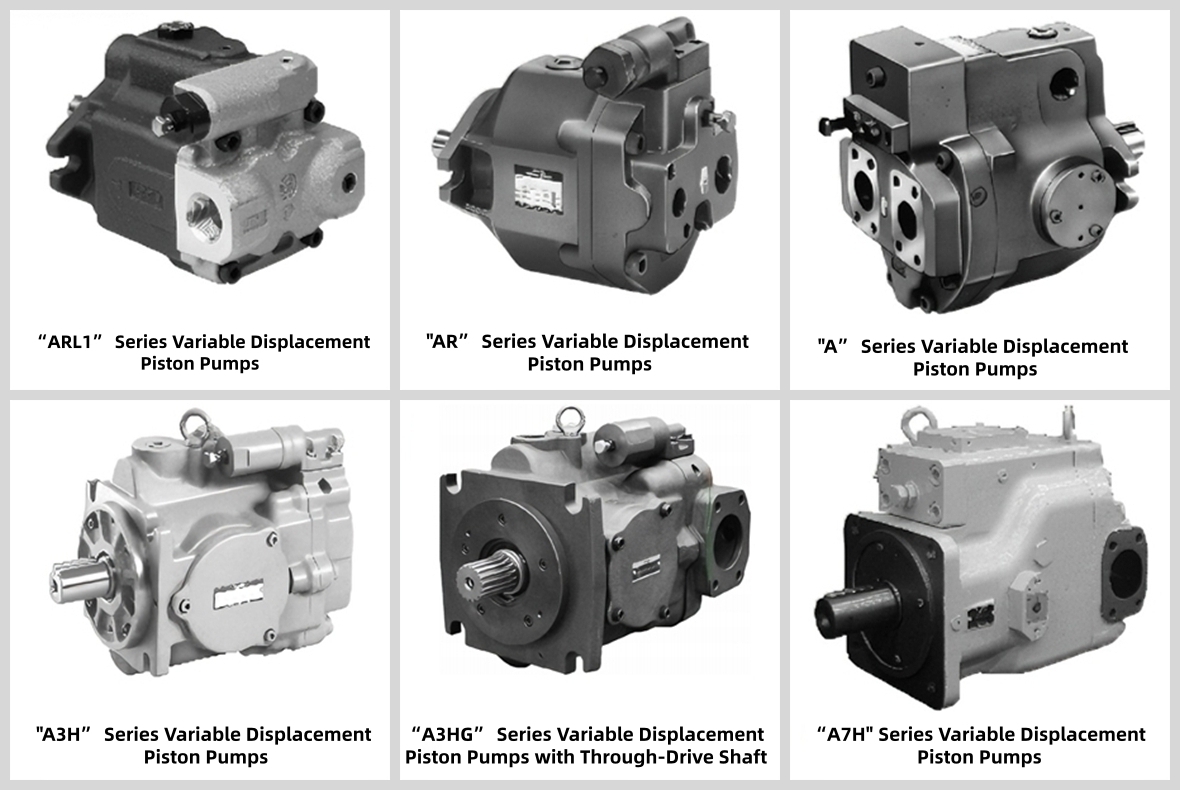
yuken Variable Displacement Piston Pumps
About brand

Shipping & Delivery