Sale
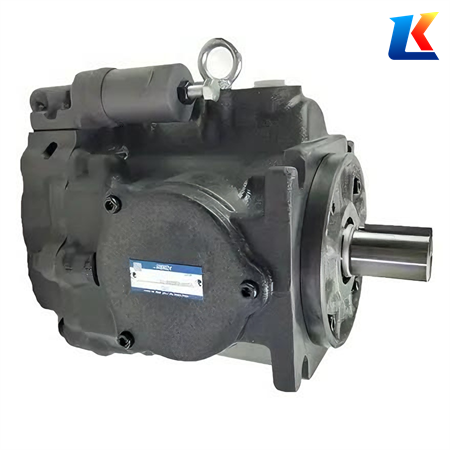
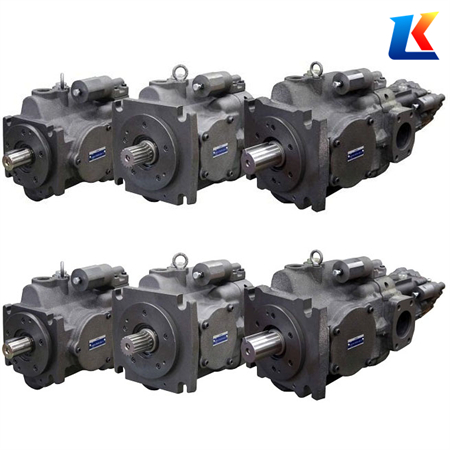
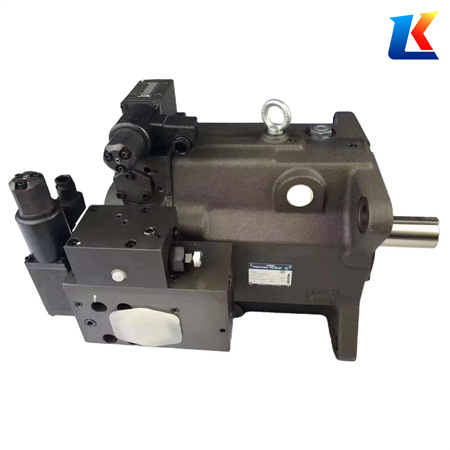
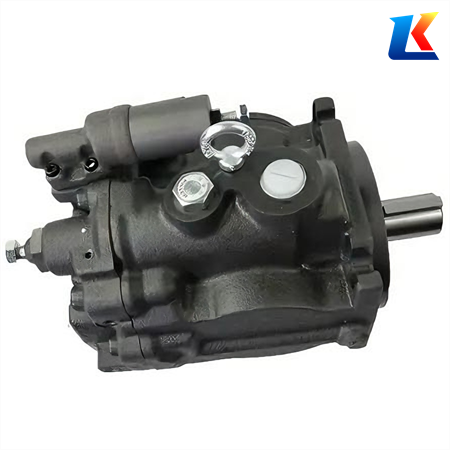
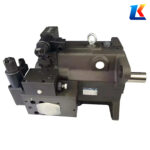

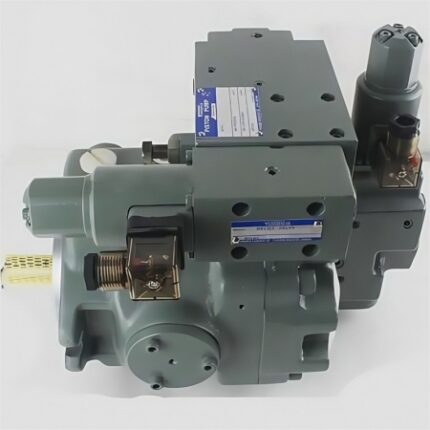
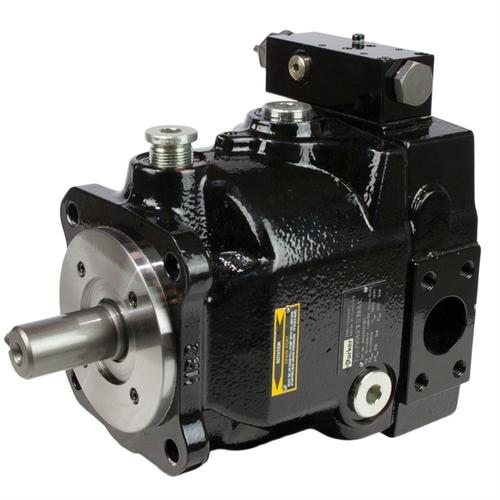
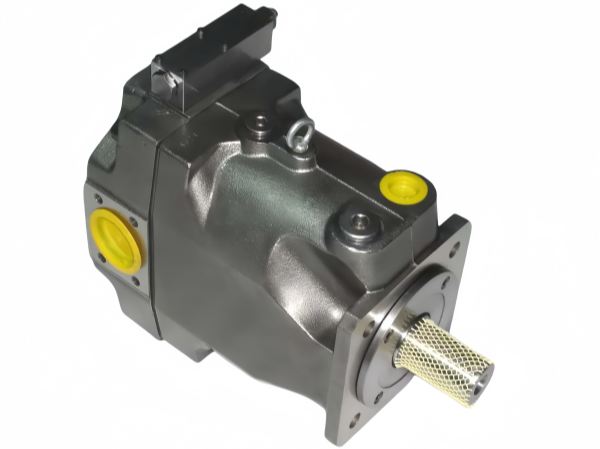
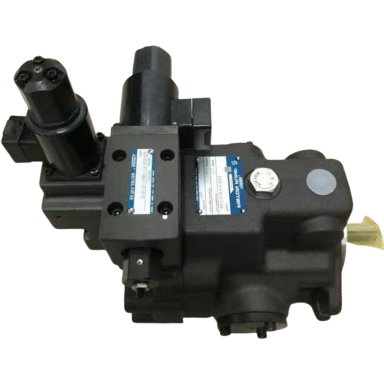
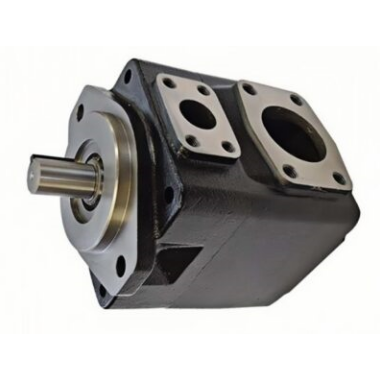
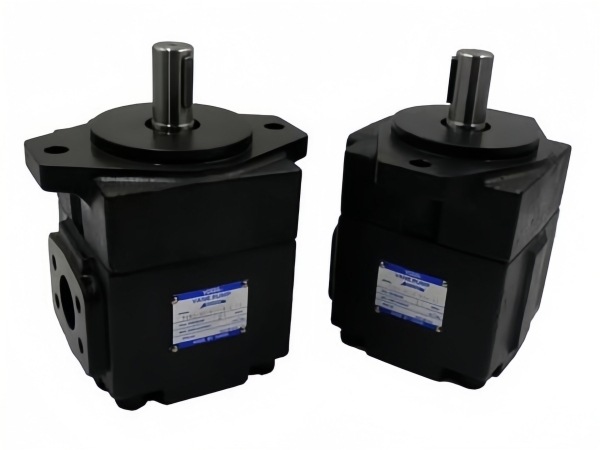
YUKEN Hydraulic Pump A3H56-FR09-11A4K-10
YUKEN piston pump series: A series, AR series, ARL1 series, A3H series, A3HG series, A7H series.
Whats app: +86 13728707767
E-mail: hyd-sales2009@outlook.com
We are a professional manufacturer of hydraulic pumps, offering a complete range of products. Inquiries are welcome! (#^.^#)
Description
Preface
Thank you for choosing the YUKEN A3H56-FR09-11A4K-10 high-pressure variable displacement piston pump. This manual is intended to provide you with the correct installation, operation, maintenance and troubleshooting methods for this product, ensuring long-term, safe and efficient operation of the equipment.
This product is a high-pressure, large-displacement variable displacement piston pump adopting constant power (torque) control mode, which is widely used in heavy-duty and high-pressure working conditions such as metallurgy, industrial forming, and mining engineering. Please read this manual carefully before use and strictly follow the operating specifications and safety precautions contained therein; if you have any questions, please contact the official authorized agent or technical support department of YUKEN.
Please note: The diagrams in this manual are simplified abstract representations and may have slight differences from the actual product; product specifications and content may change without prior notice due to improvement and upgrading. Reproduction, copying or modification of the content of this manual is prohibited without the permission of YUKEN Kogyo Co., Ltd.
1. Product Overview
1.1 Product Introduction
A3H56-FR09-11A4K-10 is a specific model of YUKEN A3H series high-pressure variable displacement piston pump. It adopts a swash plate structure design, featuring high pressure and efficiency, low noise and long service life, and easy maintenance. The rated pressure can reach 35MPa, and the short-term peak pressure is 40MPa, which is suitable for 24-hour continuous operation and can meet the power demand of heavy-duty hydraulic systems.
1.2 Model Code Interpretation
The meaning of each part of the model code is as follows (refer to YUKEN official coding rules):
-
A3H: Series code, representing high-pressure variable displacement piston pump;
-
56: Displacement code, corresponding to a geometric displacement of 56.3 cm³/rev;
-
F: Installation type, flange mounting;
-
R: Rotation direction, clockwise rotation (L for counterclockwise);
-
09: Control mode, constant power/torque control, which can limit input power and prevent motor overload;
-
11A4K: Shaft extension, flange, and oil port specification, where K represents a keyway shaft with a shaft diameter of 44.45mm;
-
10: Design version/sealing grade, standard design version.
1.3 Application Fields
This product is suitable for various heavy-duty and high-pressure working conditions, with typical applications including:
-
Metallurgical/steel equipment: rolling mill screw down, continuous caster mold oscillation, blast furnace top hydraulic system, etc.;
-
Industrial forming machinery: injection molding machines, die-casting machines, hydraulic presses, forging presses, etc.;
-
Mining and construction machinery: mining equipment, large hydraulic elevators, aerial work platforms, etc.;
-
Other fields: marine deck machinery, port hoisting equipment, large machine tool hydraulic stations, etc.
2. Technical Specifications
|
Parameter Name
|
Parameter Value
|
Remarks
|
|
Geometric Displacement
|
56.3 cm³/rev
|
Standard Displacement
|
|
Minimum Adjustable Flow Rate
|
35.0 cm³/rev
|
Adjustable Range
|
|
Rated Pressure
|
35MPa
|
Long-term Stable Operation Pressure
|
|
Peak Pressure
|
40MPa
|
Short-term Operation (No More Than 5 Minutes)
|
|
Maximum Rotational Speed
|
2500 r/min
|
No-load Condition
|
|
Minimum Rotational Speed
|
600 r/min
|
Avoid Idle Damage
|
|
Weight
|
38.0 kg
|
Without Accessories
|
|
Volumetric Efficiency
|
>95%
|
Under 1800r/min Working Condition
|
|
Total Efficiency
|
>90%
|
Under 1800r/min Working Condition
|
|
Applicable Hydraulic Oil
|
ISO VG46 or VG68 Anti-wear Hydraulic Oil
|
Cleanliness Reaches NAS Class 9
|
3. Installation Instructions
3.1 Installation Preparation
The following tools and accessories are required before installation: flange fixing bolts, couplings, seals, hydraulic pipelines, filters, pressure gauges, vacuum gauges; at the same time, ensure that the installation environment is clean and dry to avoid the intrusion of dust, moisture or corrosive gases, and the installation site should reserve sufficient operation and maintenance space.
3.2 Installation Steps
-
Equipment Fixing: Install the hydraulic pump on the designated base through the flange, and tighten the bolts with uniform force to avoid pump body deformation caused by over-tightening of bolts, which will affect the fit of internal parts.
-
Shaft Connection: Connect the drive shaft of the pump with the motor shaft through a coupling. The alignment deviation shall not exceed 0.05mm to avoid bearing damage caused by excessive axial or radial load; direct rigid connection is prohibited, and a certain buffer margin shall be reserved.
-
Pipeline Connection: The inner diameter of the suction pipeline shall not be smaller than the size of the pump suction port, the length shall not exceed 2m, and the number of elbows shall not exceed 3 to ensure smooth oil suction; the return pipeline shall be directly connected to the oil tank, and the back pressure shall not exceed 0.5MPa; filters shall be installed on the inlet and return pipelines (suction filter precision ≤100μm, return filter precision ≤10μm), and the pipeline connection shall be firm to prevent leakage or vibration.
-
Instrument Installation: Install a pressure gauge on the outlet pipeline of the pump and a vacuum gauge on the suction pipeline to facilitate monitoring of pressure changes during operation.
3.3 Installation Precautions
-
Avoid collision with the pump body during installation to prevent damage to internal parts; it is forbidden to place heavy objects on or step on the pump body.
-
Before pipeline connection, clean the internal impurities of the pipeline to avoid impurities entering the pump and wearing internal parts.
-
Ensure that the motor rotation direction is consistent with the pump body mark (this model is clockwise rotation) to avoid pump body damage caused by reverse rotation.
4. Operation Instructions
4.1 Pre-start Inspection
-
Oil Inspection: Check that the oil tank is full of oil, and the oil level is above the middle line of the oil level gauge; the cleanliness of the hydraulic oil meets the requirements, and the oil temperature is not lower than 10℃ (preheating is required at low temperature to avoid damage to parts caused by cold start).
-
Component Inspection: Check that the pump body, pipelines and joints are tight and free of looseness; the seals are free of damage and leakage; the coupling connection is reliable and free of offset.
-
Valve Inspection: Open the suction and discharge valves to ensure unobstructed oil circuit; check that the control mechanism (constant power control) is flexible in adjustment and free of jamming.
-
Instrument Inspection: The pressure gauge and vacuum gauge are firmly installed, indicating normally and free of damage.
4.2 Start-up Operation
-
Connect the motor power supply, jog the motor to confirm that the rotation direction of the pump is consistent with the mark, and there is no abnormal noise, vibration or leakage.
-
After normal jogging, start the motor and let the pump run idly for 10-15 minutes. During this period, observe the pump body temperature, noise, vibration and sealing condition, and check whether the pressure gauge and vacuum gauge indicate normally (the suction vacuum degree shall not exceed -0.02MPa).
-
After normal idle operation, slowly adjust the system pressure to the working pressure, load gradually, observe the operation status of the pump, and enter the normal working state after ensuring no abnormality.
4.3 Monitoring During Operation
-
Pressure Monitoring: Observe the pressure gauge indication in real time, and it is strictly prohibited to operate beyond pressure. The actual working pressure shall not exceed 80% of the rated pressure (i.e., ≤28MPa) to avoid pump body damage caused by long-term overpressure.
-
Temperature Monitoring: The oil temperature shall be kept between 30-60℃, and the maximum shall not exceed 80℃; in high-temperature environment, it is necessary to add a cooler or increase the oil tank capacity; in low temperature, low-freezing hydraulic oil or heating the oil tank shall be used.
-
Status Monitoring: During operation, pay attention to observing whether the pump body has abnormal noise, vibration, and whether there is leakage at the seal; if any abnormality is found, stop the machine for inspection immediately.
-
Flow Adjustment: Flow adjustment shall be carried out within the allowable range of the pump, and frequent and large-scale adjustment shall be avoided to prevent wear of the variable mechanism.
4.4 Shutdown Operation
-
First unload the system pressure and close the load circuit valve.
-
Cut off the motor power supply and let the pump stop running.
-
Close the suction and discharge pipeline valves. If the pump is shut down for a long time, the oil in the pump shall be drained and cleaned to prevent oil deterioration and corrosion of internal parts.
5. Maintenance
5.1 Daily Maintenance (Daily Inspection)
-
Check the oil level and color of the oil tank. If the oil level is insufficient, supplement it in time; if the oil color becomes turbid or impurities appear, replace the hydraulic oil in time.
-
Check whether the pump body, pipelines and joints have leakage, and whether the bolts are loose; fasten or replace the seals in time.
-
Observe the indications of the pressure gauge and vacuum gauge, record the operating pressure, temperature and other parameters, and handle any abnormalities in time.
-
Clean the dust and debris on the pump body and around it to keep the equipment clean.
5.2 Regular Maintenance (By Operating Time)
-
Every 500 hours: Check the wear condition of the coupling, replace it in time if there is wear; check the flexibility of the control mechanism, and add lubricating grease if necessary.
-
Every 1000-2000 hours: Replace the hydraulic oil filter element and clean the filter; check the viscosity and cleanliness of the hydraulic oil, and replace the hydraulic oil if it does not meet the requirements.
-
Every 2000 hours: Thoroughly clean the oil tank and replace the hydraulic oil; check the wear condition of the internal parts of the pump (plunger, cylinder block, valve plate, etc.), and replace the spare parts in time if they are severely worn.
-
Every 5000 hours: Conduct a comprehensive disassembly and inspection of the pump, replace wearing parts (seals, bearings, etc.) to ensure the stable performance of the pump.
5.3 Maintenance Precautions
-
Before maintenance, the power supply must be cut off and the system pressure must be released to avoid injury caused by high-pressure oil injection.
-
When replacing hydraulic oil, select anti-wear hydraulic oil that meets the requirements, and it is forbidden to mix hydraulic oils of different brands and models.
-
When replacing parts, use YUKEN original spare parts to avoid pump body damage caused by inferior spare parts.
-
During maintenance, avoid impurities entering the pump and pipelines, and keep the parts clean during disassembly and assembly.
6. Common Faults and Troubleshooting
|
Fault Phenomenon
|
Possible Causes
|
Troubleshooting Methods
|
|
Excessive Pump Noise
|
1. Insufficient oil suction and air mixing; 2. Bearing damage; 3. Internal part wear; 4. Excessive coupling alignment deviation
|
1. Check the suction pipeline, clear blockages, supplement hydraulic oil, and discharge air; 2. Replace the bearing; 3. Check and replace worn parts; 4. Realign the coupling
|
|
Insufficient Output Pressure
|
1. Pipeline leakage; 2. Variable mechanism failure; 3. Too low hydraulic oil viscosity; 4. Valve plate wear
|
1. Tighten joints and replace seals; 2. Overhaul the variable mechanism and adjust to normal state; 3. Replace hydraulic oil that meets the requirements; 4. Replace the valve plate
|
|
High Oil Temperature
|
1. Insufficient cooling; 2. Too high hydraulic oil viscosity; 3. Internal pump leakage; 4. Excessive load and long-term overpressure operation
|
1. Add a cooler and clean the cooling system; 2. Replace with low-viscosity hydraulic oil; 3. Overhaul the pump body and replace worn seals; 4. Reduce the load and adjust the working pressure to the rated range
|
|
Severe Pump Body Vibration
|
1. Unfirm installation; 2. Coupling damage; 3. Unbalanced internal pump parts; 4. Pipeline vibration
|
1. Re-fix the pump body and tighten the bolts; 2. Replace the coupling; 3. Check and replace unbalanced parts; 4. Reinforce the pipeline and add a buffer device
|
|
Seal Leakage
|
1. Aging and damage of seals; 2. Loose bolts; 3. Pump body deformation; 4. Severe oil contamination
|
1. Replace the seals; 2. Tighten the bolts; 3. Check the deformation of the pump body and repair if necessary; 4. Replace the hydraulic oil and clean the filter
|
|
Flow Adjustment Failure
|
1. Variable mechanism jamming; 2. Blocked control oil circuit; 3. Control mechanism wear
|
1. Disassemble the variable mechanism, clean impurities, and add lubricating grease; 2. Clean the control oil circuit; 3. Replace worn parts of the control mechanism
|
7. Safety Precautions
7.1 Operation Safety
-
This product shall only be operated by personnel with basic hydraulic and electrical knowledge (equivalent to Level 2 Hydraulic Adjuster or above or trained by YUKEN) or under their guidance.
-
Before starting, confirm that there are no personnel around the pump to avoid injury caused by high-pressure oil injection; it is forbidden to touch rotating parts and high-temperature parts during operation.
-
It is strictly prohibited to operate beyond pressure and speed to avoid pump body damage or safety accidents caused by overload.
-
During maintenance, maintenance or adjustment, the power supply must be cut off, the system pressure must be released, and the operation can be carried out only after confirming safety.
7.2 Equipment Safety
-
It is forbidden to put foreign objects into the pump to avoid damage to internal parts during operation; it is forbidden to modify the pump body, otherwise the design performance and safety cannot be guaranteed.
-
Regularly check the electrical equipment to ensure that the motor is well grounded to prevent electric leakage; avoid operating electrical equipment in a humid environment.
-
Leaked hydraulic oil shall be cleaned in time to prevent slipping or environmental pollution; waste oil shall be treated in accordance with environmental protection requirements and shall not be discharged at will.
7.3 Other Safety Requirements
-
The safety precautions in this manual are divided into three levels: “Danger”, “Warning” and “Caution”, all of which are important contents and must be strictly followed.
-
When transferring or selling this product, this manual must be attached to ensure that subsequent users can operate it correctly.
-
It is recommended to configure a spare pump for key equipment to avoid shutdown losses caused by pump body failure; regularly train operators to be familiar with the performance and operating procedures of the pump.
8. Storage and Disposal
8.1 Storage
If the pump is not used for a long time, the oil in the pump shall be drained, the pump body and pipelines shall be cleaned, and the seals shall be replaced; the pump shall be placed in a clean, dry and ventilated environment to avoid direct sunlight, rain or corrosion by corrosive gases; the pump shaft shall be rotated regularly (1-2 times a month) to prevent rusting of internal parts.
8.2 Disposal
When disposing of this product, it shall be handled in accordance with local environmental protection laws and regulations. Disassemble the pump body, separate metal parts and non-metal parts (such as seals, rubber parts), and recycle or harmlessly treat them separately. Random disposal is prohibited.
9. Technical Support and Service
If you have any questions during the installation, operation and maintenance of the product, or need spare parts replacement and maintenance services, please contact YUKEN official support through the following channels:
-
YUKEN Official Website: www.yukencn.com
-
Domestic Official Authorized Agents: You can query local agent information through the YUKEN official website
-
Technical Support Email: Please refer to the contact information on the official website
This product enjoys YUKEN official warranty service. If a fault occurs due to product quality problems within the warranty period, you can enjoy free maintenance or replacement service with the purchase certificate (excluding faults caused by man-made damage and illegal operation).
Appendix
Appendix 1: List of Wearing Parts (Recommended Spare Parts): Seals, Bearings, Plungers, Valve Plates, Filter Elements;
Appendix 2: Document Number: pub.jm-0129-2 (Refer to YUKEN Official Technical Data);
Appendix 3: Release Date: September 27, 2017 (This manual is sorted out based on YUKEN official original data, and the content is updated synchronously).
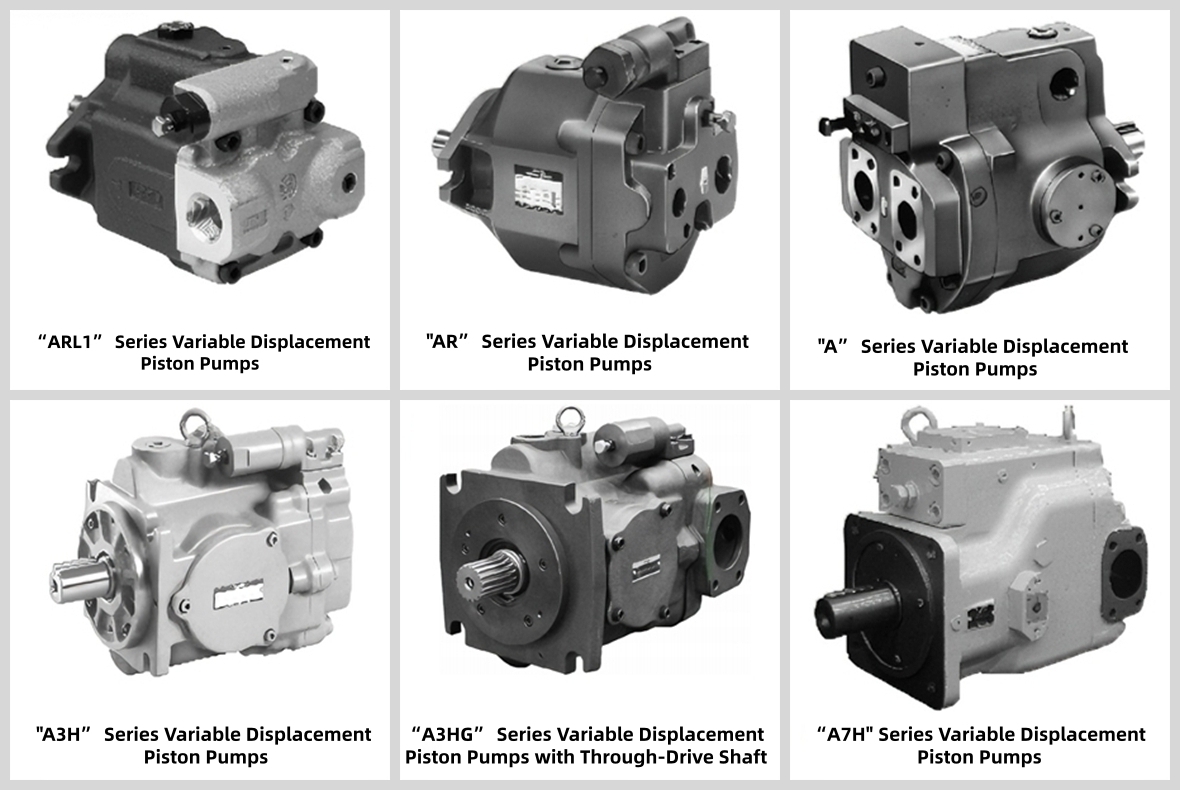
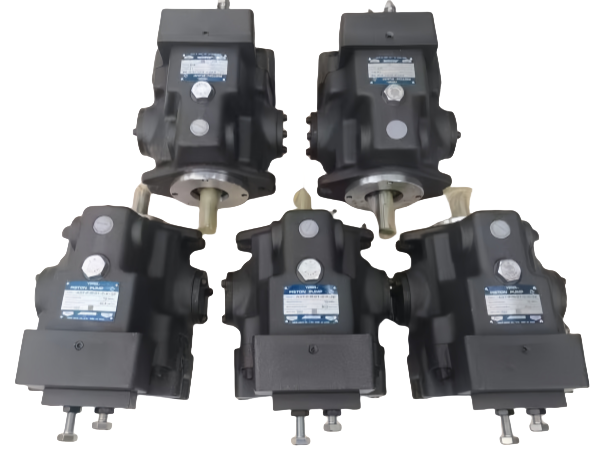
yuken Variable Displacement Piston Pumps
About brand

Shipping & Delivery