Sale
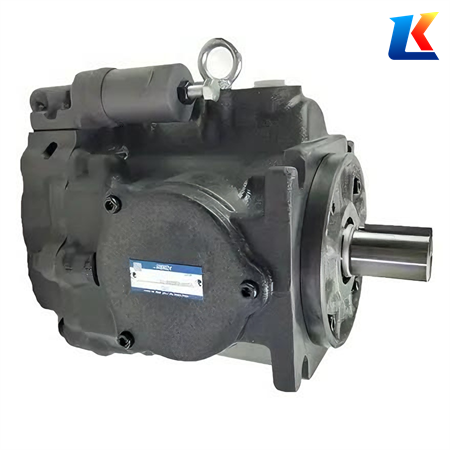
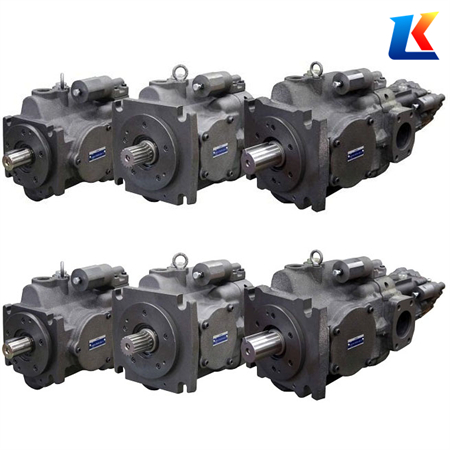
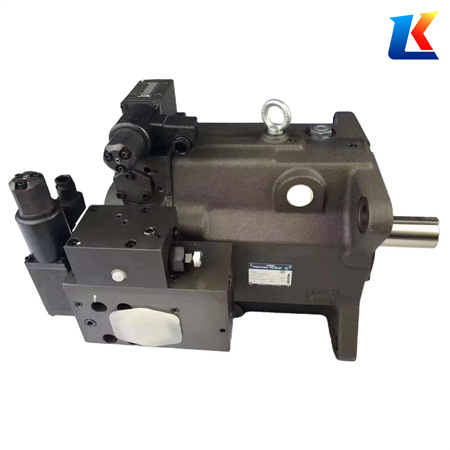
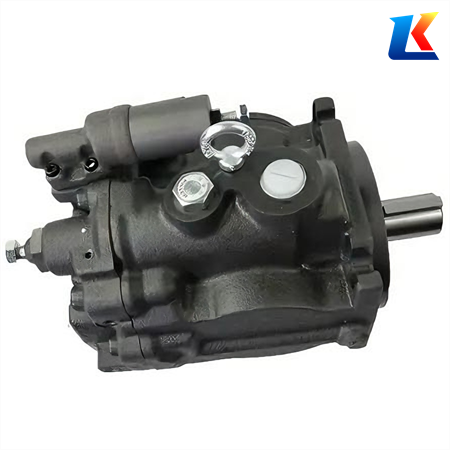
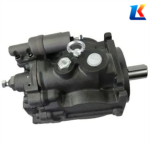

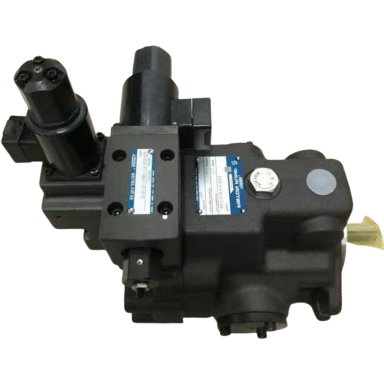
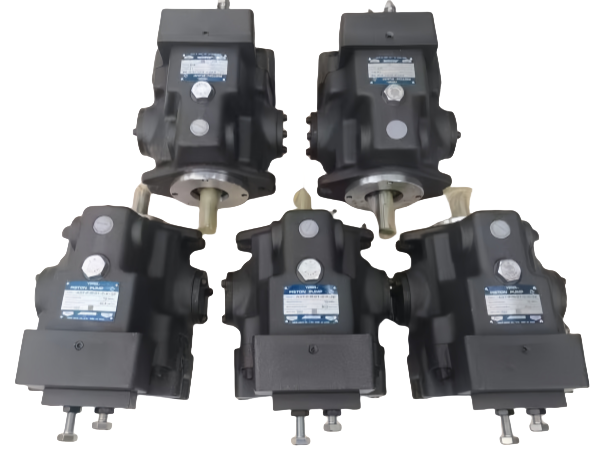
A3H71-FR09-11A4K-10 YUKEN variable piston pump
YUKEN piston pump series: A series, AR series, ARL1 series, A3H series, A3HG series, A7H series.
Whats app: +86 13728707767
E-mail: hyd-sales2009@outlook.com
We are a professional manufacturer of hydraulic pumps, offering a complete range of products. Inquiries are welcome! (#^.^#)
Description
Parameter Description of YUKEN High-Pressure Variable Displacement Piston Pump A3H71-FR09-11A4K-10
1. Model Interpretation
The model A3H71-FR09-11A4K-10 is a high-pressure variable displacement piston pump independently developed by YUKEN, which is widely used in medium and large-sized hydraulic systems such as engineering machinery and industrial equipment. Each segment of the model represents specific configuration parameters, as detailed below:
-
A3H: Series identifier, indicating the A3H series high-pressure variable displacement piston pump, featuring high pressure resistance, stable performance and long service life.
-
71: Displacement code, corresponding to a theoretical displacement of 71.0 cm³/rev (standard configuration for A3H71 series).
-
F: Mounting type, representing flange mounting (F = Flange mounting; alternative option: L = Foot mounting).
-
R: Rotation direction, meaning clockwise rotation when viewed from the shaft extension end (standard configuration; counterclockwise rotation is available on request).
-
09: Control type, indicating constant power (torque) control mode, which can automatically adjust the displacement with the change of system pressure to balance power output and energy consumption.
-
11A4K: Combined code of input power, frequency, motor pole number and shaft extension; 11 represents input power of 11kW, A represents power frequency of 50Hz, 4 represents 4-pole motor, and K represents keyed shaft (parallel key type).
-
10: Design number, indicating the standard design version, which is compatible with most conventional hydraulic system configurations.
2. Core Performance Parameters
|
Parameter Item
|
Specification
|
Remarks
|
|
Theoretical Displacement
|
71.0 cm³/rev
|
Standard configuration for A3H71 series, adjustable within a small range
|
|
Maximum Rotational Speed
|
1800 r/min
|
Applicable when suction port pressure is 0 kPa; reduce speed if suction pressure is lower than -0.15 kgf/cm²
|
|
Adjustment Pressure Range
|
10 ~ 70 kgf/cm²
|
Clockwise rotation of the adjustment screw increases pressure; counterclockwise decreases it
|
|
Suction Pressure Range
|
-0.15 ~ +0.5 kgf/cm² (-117 mmHg ~ +0.5 kgf/cm²)
|
Ensure stable suction to avoid cavitation; install a suction filter for protection
|
|
Housing Pressure
|
Normal pressure ≤ 1.0 kgf/cm²; Surge pressure ≤ 5 kgf/cm²
|
Guaranteed by proper drain piping installation and regular maintenance
|
|
Recommended Hydraulic Oil
|
Petroleum-based anti-wear hydraulic oil (ISO VG 32 or 46)
|
Viscosity range: 20~400 cst at 0~60℃; avoid mixing different types of oil
|
|
Oil Contamination Control
|
NAS Grade 9 or higher
|
Suction port: ≥100 µm reservoir filter; Return line: ≤10 µm line filter
|
3. Installation & Piping Requirements
-
Mounting: Adopt flange mounting (F type), ensure the mounting surface is flat and firm, and the pump is leveled to avoid vibration during operation. The mounting bolt torque should be controlled at 40~45 N·m.
-
Suction Piping: Use 3/4″ pipes with an inner diameter of 19 mm or more; the height of the pump suction port should be within 1 meter from the oil level in the reservoir. Avoid excessive load from steel pipes; use rubber hoses for connection if necessary to reduce vibration.
-
Drain Piping: Use 3/4″ pipes with an inner diameter of 19 mm or more; piping length should be less than 1 m, and the pipe end should be submerged in oil to maintain stable housing pressure and prevent air intake.
-
Safety Protection: Install a relief valve in the circuit to prevent damage caused by excessive pressure when the delivery line is blocked. Bleed air from the pump case and outlet line before startup to avoid vibration and noise.
4. Pre-Delivery & Maintenance Notes
-
Pre-Delivery Setting: The pump is preset to maximum delivery and minimum discharge pressure (matching 11kW input power) before despatch. Adjust the pressure and displacement according to the actual requirements of the hydraulic system before use.
-
Startup Preparation: Fill the pump case with clean hydraulic oil through the fill port before starting to ensure sufficient lubrication of internal components and avoid dry friction.
-
Daily Maintenance: Regularly check the oil level, oil temperature and oil contamination degree; clean or replace the filter element regularly (recommended every 300 working hours). Check the tightness of piping joints to prevent oil leakage.
-
Periodic Inspection: Conduct a comprehensive inspection every 1500 working hours, including checking the wear of the shaft seal, the clearance of internal components and the stability of the control system, to extend the pump service life.
5. Safety Precautions
-
Do not disassemble the pump without professional training to avoid damage to internal components or personal injury.
-
Do not operate the pump beyond the specified pressure and speed range, which may cause pump failure or safety accidents.
-
Cut off the power supply and release the system pressure before maintenance or replacement of components to ensure operation safety.
-
Keep the working environment clean to prevent dust and impurities from entering the hydraulic system and damaging the pump.
Note: For more detailed dimensional parameters (such as shaft size, mounting hole position) and special configuration requirements, refer to YUKEN official technical manual (relevant version) or contact YUKEN customer service for assistance.
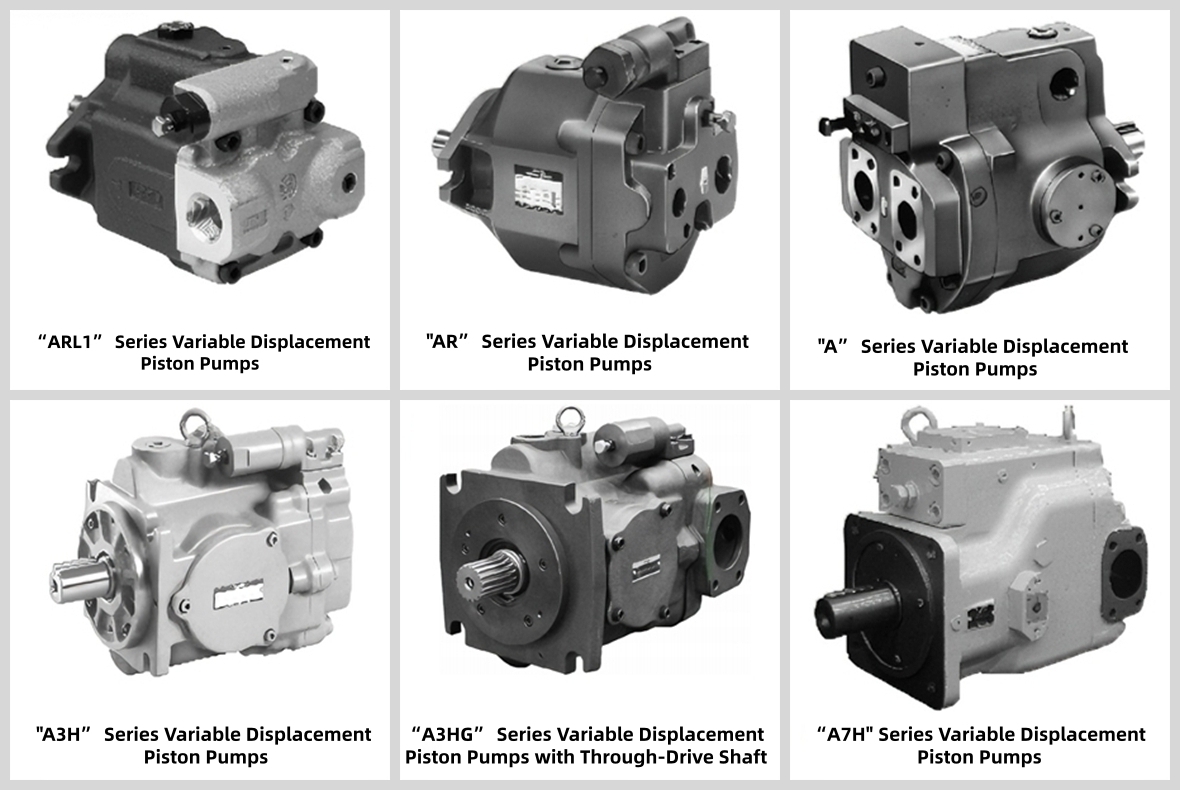
yuken Variable Displacement Piston Pumps
| A10-F-R-01-B-K-32 A10-FR07CS-12 A10-LR09DS-60 A100-FR01BS-60 A100-FR07CS-12 A100-LR09DS-60 A145-F-R-05EH-60 A145-FR01CK-32 A145-FR04BK-32 A145-LR01AS-60 A16-F-R-01-C-K-32 A16-FR01CK-32 A16-FR04BK-32 A16-LR01AS-60 A22-F-R-01-B-K-32 A22-FR01BS-60 A22-FR07CS-12 A22-LR09DS-60 A37-F-R-01-C-K-32 A37-FR01CK-32 A37-FR04BK-32 A37-LR01AS-60 A45-FR01BS-60 A45-FR07CS-12 A45-LR09DS-60 |
A56-FR01CK-32 A56-FR04BK-32 A56-LR01AS-60 A70-FR01BS-60 A70-FR07CS-12 A70-LR09DS-60 A90-FR01CK-32 A90-FR04BK-32 A90-LR01AS-60 AR16-FR01C-12 AR16-FR01C-22 AR16-FR01D-12 AR16-FR07C-22 AR16-LR01C-22 AR16-LR09C-22 AR22-FR01C-12 AR22-FR01C-22 AR22-FR01D-12 AR22-FR04C-22 AR22-LR01C-22 AR22-LR04C-22 AR37-FR01C-22 AR37-FR07C-22 AR37-LR01C-22 AR37-LR07C-22 |
ARL1-16-FR01C-22 ARL1-16-FR04C-22 ARL1-16-LR01C-22 ARL1-16-LR04C-22 ARL1-22-FR01C-22 ARL1-22-FR07C-22 ARL1-22-LR01C-22 ARL1-22-LR07C-22 ARL1-8-F-R-01-C-K-10 A7H180-FR01KK-10 A7H180-FR07KK-10 A7H180-FR09-11A4K-10 A7H180-LR01KK-10 A7H180-LR07KK-10 A3H100-FR01-11A4K-10 A3H100-FR07-11A4K-10 A3H100-FR09-11A4K-10 A3H116-FR01KK-10 A3H116-FR07KK-10 A3H145-FR01-11A4K-10 A3H145-FR01KK-10 A3H145-FR04KK-10 A3H145-FR07-11A4K-10 A3H145-FR09-11A4K-10 A3H16-FR01-11A4K-10 |
A3H16-FR01KK-10 A3H16-FR07-11A4K-10 A3H16-FR09-11A4K-10 A3H16-FR14KK-10 A3H16-LR01KK-10 A3H180-FR01-11A4K-10 A3H180-FR01KK-10 A3H180-FR07-11A4K-10 A3H180-FR07KK-10 A3H180-FR09-11A4K-10 A3H37-FR01-11A4K-10 A3H37-FR01KK-10 A3H37-FR07-11A4K-10 A3H37-FR07KK-10 A3H37-FR09-11A4K-10 A3H37-LR01KK-10 A3H56-FR01-11A4K-10 A3H56-FR01KK-10 A3H56-FR04KK-10 A3H56-FR07-11A4K-10 A3H56-FR09-11A4K-10 A3H56-LR01KK-10 A3H71-FR01-11A4K-10 A3H71-FR01KK-10 A3H71-FR07-11A4K-10 |
A3H71-FR07KK-10 A3H71-LR01KK-10 A3H90-FR01KK-10 A3H90-FR04KK-10 A3HG16-FR01KK-10 A3HG37-FR01KK-10 A3HG56-FR01KK-10 A3HG71-FR01KK-E1C-10 A3HG71-FR01KK-E1D-10 A3HG71-FR01KK-J1C-10 A3HG71-FR01KK-J1D-10 A3HG71-FR01KK-U1C-10 A3HG71-FR01KK-U1D-10 A3HG71-FR07KK-E1C-10 A3HG71-FR07KK-E1D-10 A3HG71-FR07KK-J1C-10 A3HG71-FR07KK-J1D-10 A3HG71-FR07KSP-E1C-10 A3HG71-FR07KSP-E1D-10 A3HG71-FR14KK-E1C-10 A3HG71-FR14KK-E1D-10 A3HG71-FR14KK-J1C-10 A3HG71-FR14KK-J1D-10 A3HG71-FR14KSP-E1C-10 A3HG71-FR14KSP-E1D-10 |
About brand

Shipping & Delivery