Sale
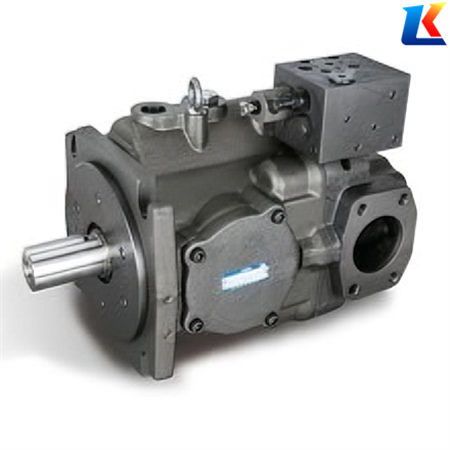
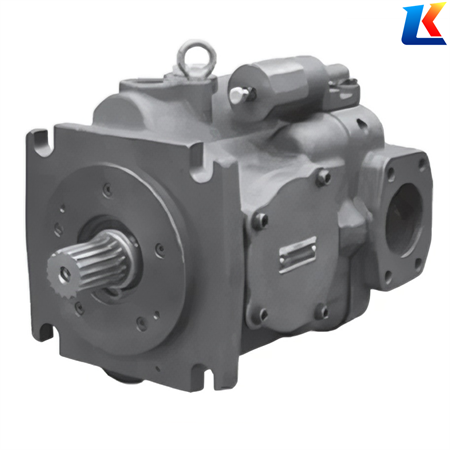
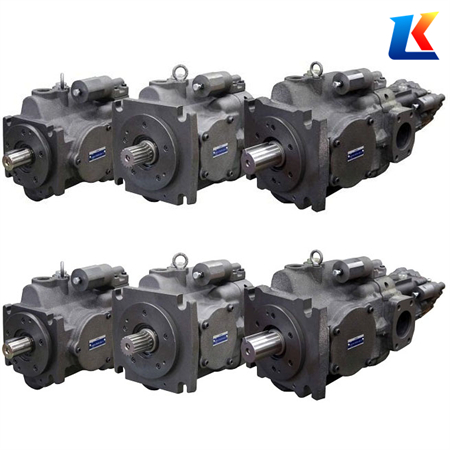
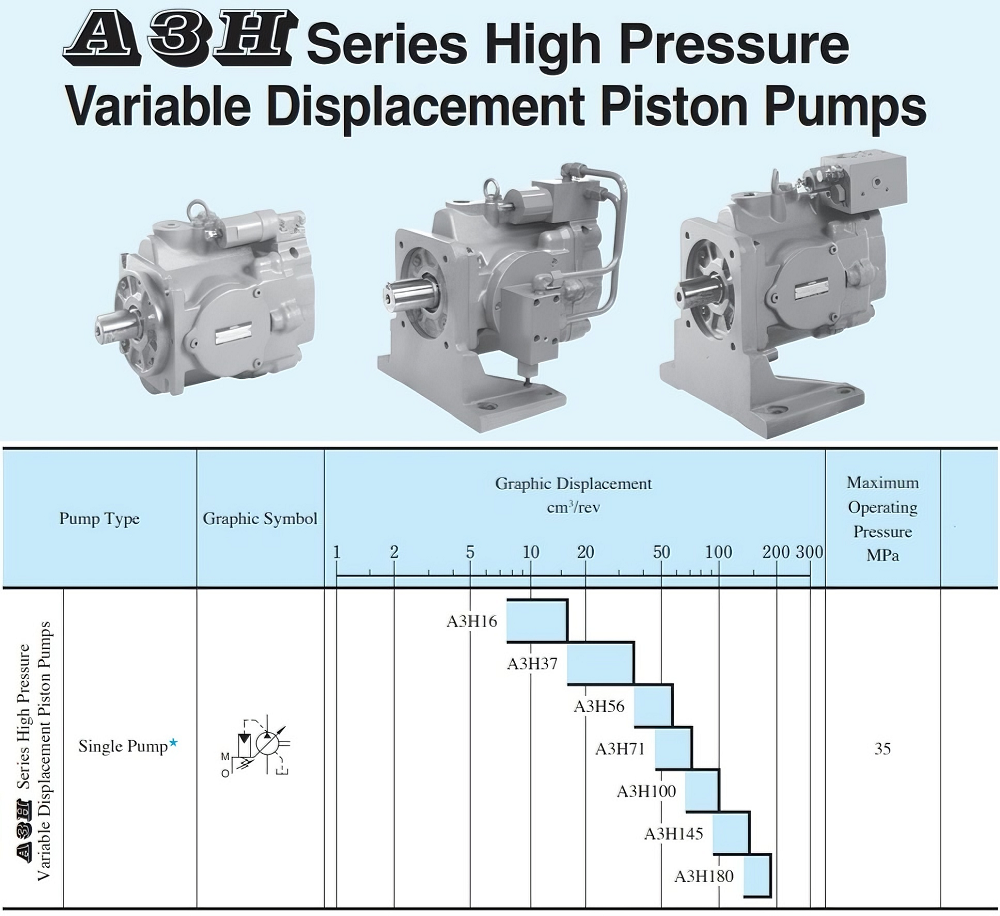
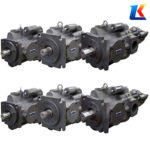
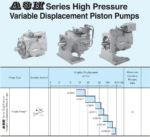

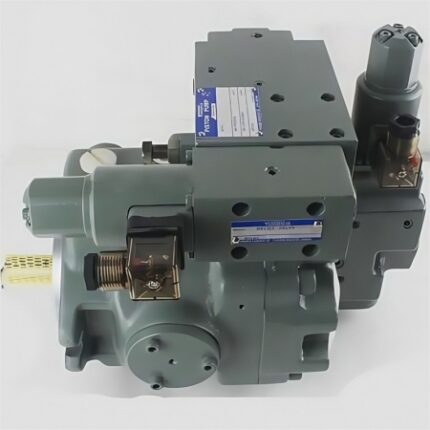
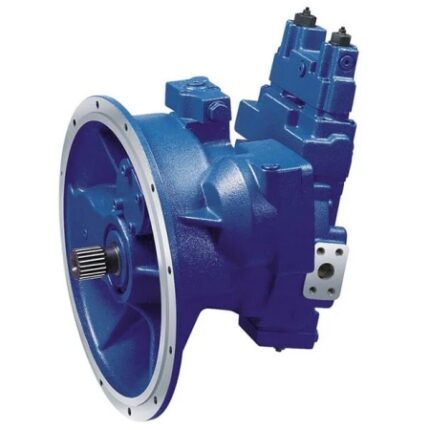
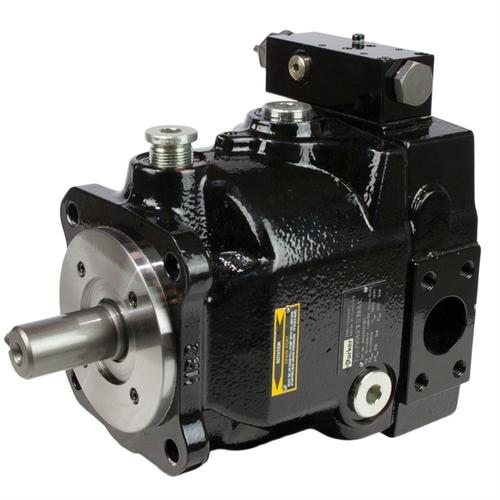
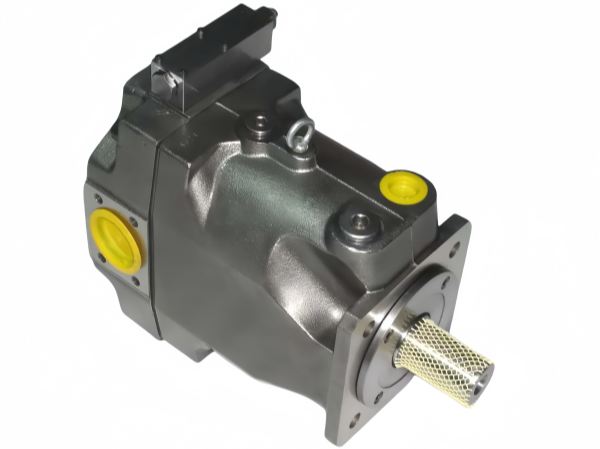
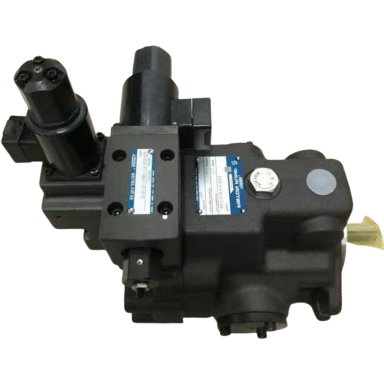
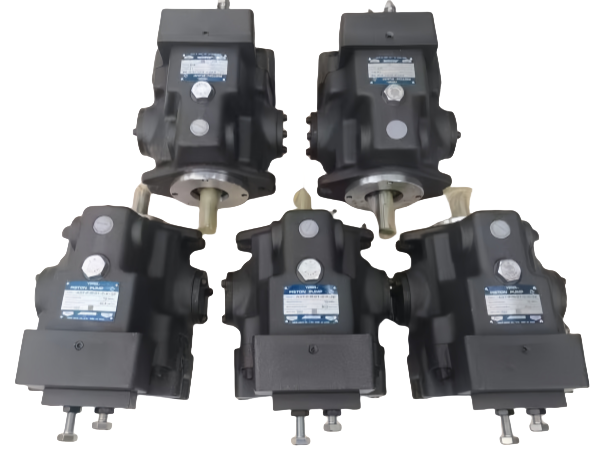
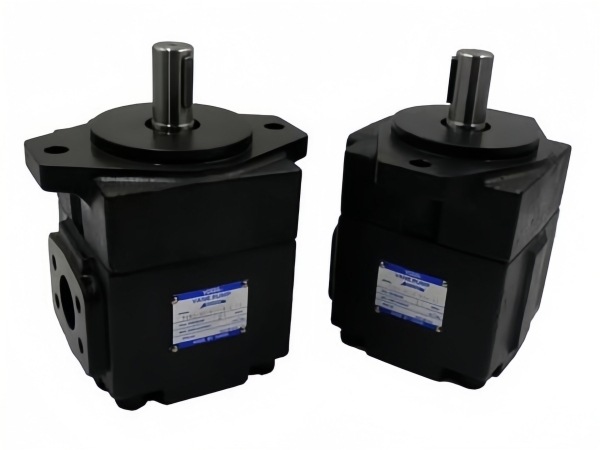
A3HG71-FR01KK-E1C-10 Yuken piston pump
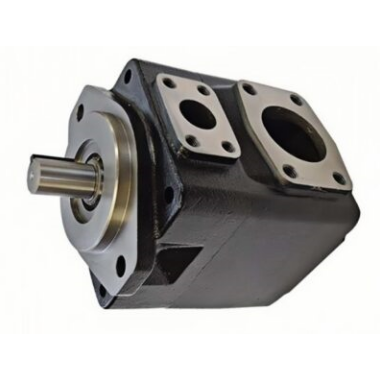
YUKEN piston pump series: A series, AR series, ARL1 series, A3H series, A3HG series, A7H series.
Whats app: +86 13728707767
E-mail: hyd-sales2009@outlook.com
We are a professional manufacturer of hydraulic pumps, offering a complete range of products. Inquiries are welcome! (#^.^#)
Description
Instruction Manual for YUKEN High-Pressure Variable Displacement Piston Pump A3HG71-FR01KK-E1C-10
1. Introduction
The YUKEN A3HG71-FR01KK-E1C-10 is a high-pressure variable displacement piston pump designed for industrial hydraulic systems. Based on YUKEN’s well-known A3H series, this pump inherits excellent performance and is optimized with a higher rated pressure design, complying with international standards (ISO 3019-2 and SAE J 744) to ensure interchangeability with global market products. It is widely used as a hydraulic pressure source in various industrial equipment, suitable for moderate to high-load working conditions.
This manual provides detailed instructions on the pump’s specifications, installation, operation, maintenance, troubleshooting, and safety precautions. To ensure safe and efficient operation, please read this manual carefully before installation and use, and keep it properly for future reference.
2. Model Explanation
A3HG71-FR01KK-E1C-10
-
A3HG: Series identifier, high-pressure variable displacement piston pump
-
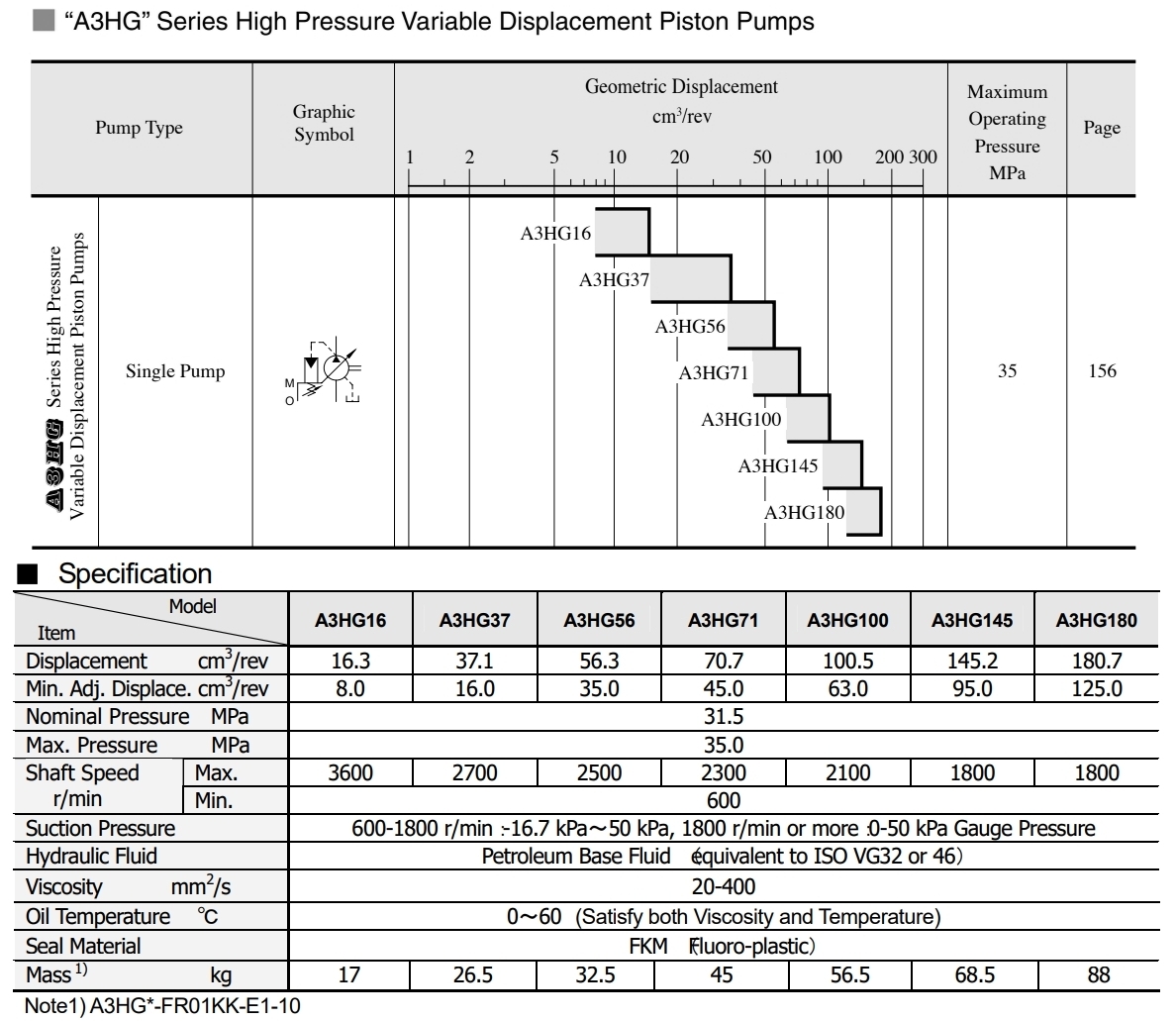
71: Geometric displacement, 70.7 cm³/rev (rounded to 71)
-
FR: Mounting and connection type
-
01: Control type, pressure compensator type
-
KK: Shaft end type, keyed shaft (standard configuration)
-
E1C: Seal material and hydraulic oil compatibility, FKM seal (suitable for petroleum-based hydraulic oil)
-
10: Standard configuration code
3. Technical Specifications
|
Item
|
Specification
|
|---|---|
|
Geometric Displacement
|
70.7 cm³/rev
|
|
Minimum Adjustable Flow
|
45.0 cm³/rev
|
|
Rated Pressure
|
315 kgf/cm²
|
|
Maximum Operating Pressure
|
350 kgf/cm²
|
|
Shaft Speed Range
|
600 – 2300 r/min
|
|
Suction Pressure (Gauge Pressure)
|
-0.167 ~ 0.5 kgf/cm² (600 – 1800 r/min); 0 ~ 0.5 kgf/cm² (above 1800 r/min)
|
|
Hydraulic Fluid
|
Petroleum-based oils (equivalent to ISO VG 32 or 46)
|
|
Viscosity Range
|
20 – 400 mm²/sec
|
|
Operating Oil Temperature
|
0 – 60°C (within specified viscosity range)
|
|
Seal Material
|
FKM (Fluoro Rubber)
|
4. Installation
4.1 Installation Precautions
-
Choose a flat, stable installation location with good ventilation to avoid direct sunlight, high temperature, humidity, and dust. Ensure there is enough space around the pump for maintenance and operation (at least 30 cm of clearance on all sides).
-
The pump should be installed horizontally to ensure the shaft is level, which prevents uneven wear of bearings and seals.
-
Before installation, check the pump for damage during transportation (e.g., cracks, loose parts). If any damage is found, do not install or use it, and contact YUKEN after-sales service immediately.
-
The mounting bracket must be strong enough to bear the weight of the pump and resist vibration during operation.
4.2 Shaft Connection
The pump’s shaft is connected to the drive motor via a coupling. Follow these steps for connection:
-
Align the pump shaft with the motor shaft accurately, ensuring the coaxiality error is within 0.1 mm. Misalignment will cause vibration, noise, and premature wear of the pump and motor.
-
Use a flexible coupling to reduce vibration transmission between the motor and the pump. Do not use a rigid coupling, as it will amplify alignment errors.
-
Tighten the coupling bolts evenly to ensure a firm connection. After installation, manually rotate the pump shaft to check if it rotates smoothly without jamming or abnormal noise.
4.3 Pipeline Connection
-
Suction Pipeline: Use a pipeline with a diameter not smaller than the pump’s suction port to reduce suction resistance. The pipeline should be short and straight, avoiding excessive bends and leaks. Install a coarse filter (filtering accuracy 100 – 200 μm) at the suction port to prevent impurities from entering the pump and causing wear.
-
Discharge Pipeline: The diameter of the discharge pipeline should match the pump’s discharge port. Install a pressure gauge, relief valve, and check valve on the discharge pipeline to monitor pressure and protect the pump from overpressure damage. The pipeline should be fixed firmly to avoid vibration during operation.
-
Before connecting the pipeline, clean the pipeline thoroughly to remove rust, debris, and other impurities. Flush the pipeline with hydraulic oil before starting the pump.
5. Operation
5.1 Pre-Startup Check
-
Check the hydraulic oil level in the oil tank. The oil level should be between the upper and lower limit marks of the oil level gauge. If the oil level is too low, add the specified hydraulic oil.
-
Check the hydraulic oil quality. The oil should be clean, free of impurities, and within the specified viscosity range. If the oil is turbid, deteriorated, or has a peculiar smell, replace it immediately.
-
Check all pipeline connections for leaks. Tighten any loose connections.
-
Check the pressure relief valve setting. The initial setting should be lower than the pump’s rated pressure to protect the system during startup.
-
Manually rotate the pump shaft 2 – 3 turns to ensure it rotates smoothly without jamming. If there is any abnormal resistance, stop the operation and check the cause.
5.2 Startup Operation
-
Start the drive motor and run it at low speed (about 500 – 800 r/min) for 2 – 3 minutes. During this period, check the pump for abnormal noise, vibration, and leaks.
-
Gradually increase the motor speed to the rated speed. Observe the pressure gauge reading; the pressure should be stable and within the normal range.
-
Check the oil temperature. The oil temperature should rise gradually; if it rises too quickly or exceeds 60°C, stop the pump and check the cooling system or oil viscosity.
-
After the pump runs stably for 5 – 10 minutes, adjust the pressure relief valve to the required working pressure (not exceeding the pump’s rated pressure).
5.3 Normal Operation
-
During operation, monitor the pressure, oil temperature, and noise of the pump regularly. The normal operating pressure should not exceed the rated pressure, and the oil temperature should be kept between 20 – 60°C.
-
Do not suddenly change the working pressure or flow rate, as this will cause impact on the pump and hydraulic system, leading to damage.
-
If any abnormal phenomenon (e.g., excessive noise, vibration, oil leakage, high oil temperature, or pressure fluctuation) is found during operation, stop the pump immediately, check the cause, and troubleshoot before restarting.
5.4 Shutdown Operation
-
First, reduce the working pressure of the system to the minimum by adjusting the pressure relief valve.
-
Stop the drive motor.
-
After shutdown, check the pump and pipeline for leaks, and clean the surface of the pump.
-
If the pump is not used for a long time (more than 1 month), drain the hydraulic oil in the pump and pipeline, and seal the suction and discharge ports to prevent dust and moisture from entering.
6. Maintenance
6.1 Routine Maintenance
|
Maintenance Interval
|
Maintenance Content
|
|---|---|
|
Daily
|
1. Check oil level and oil quality; 2. Check for leaks; 3. Monitor noise and vibration; 4. Check oil temperature.
|
|
Weekly
|
1. Clean the surface of the pump and filter; 2. Check the tightness of coupling bolts and pipeline connections; 3. Check the pressure gauge accuracy.
|
|
Monthly
|
1. Replace the suction filter element; 2. Check the wear of the pump shaft seal; 3. Inspect the hydraulic oil for contamination and replace if necessary.
|
|
Every 6 Months
|
1. Disassemble and inspect the pump (by professional personnel); 2. Check the wear of pistons, cylinders, and bearings; 3. Replace worn parts; 4. Flush the hydraulic system and replace hydraulic oil.
|
6.2 Maintenance Notes
-
Before maintenance, stop the pump and cut off the power supply to ensure safety. Release the pressure in the hydraulic system completely.
-
Use only genuine YUKEN spare parts for replacement. Using non-genuine parts will affect the pump’s performance and service life, and may cause safety hazards.
-
When disassembling the pump, follow the correct disassembly sequence, and avoid damaging the precision parts (e.g., pistons, cylinders, valves). Clean all parts thoroughly before reassembly, and apply a small amount of hydraulic oil to the moving parts.
-
After maintenance, reassemble the pump correctly, and conduct a test run to ensure it operates normally.
7. Troubleshooting
|
Fault Phenomenon
|
Possible Causes
|
Troubleshooting Methods
|
|---|---|---|
|
No oil discharge or insufficient flow
|
1. Low oil level; 2. Suction pipeline blocked or leaking; 3. Suction filter clogged; 4. Pump shaft rotation direction incorrect; 5. Internal wear of pump parts.
|
1. Add hydraulic oil to the specified level; 2. Clean or replace the suction pipeline, and tighten connections; 3. Clean or replace the filter element; 4. Correct the motor rotation direction; 5. Disassemble and inspect the pump, replace worn parts.
|
|
Excessive pump noise
|
1. Air entering the pump; 2. Shaft misalignment; 3. Bearing wear; 4. Hydraulic oil viscosity too high or too low; 5. Clogged suction pipeline.
|
1. Check for leaks in the suction pipeline, and exhaust air from the system; 2. Realign the shaft; 3. Replace the bearing; 4. Replace with the specified hydraulic oil; 5. Clean the suction pipeline and filter.
|
|
High oil temperature
|
1. Insufficient cooling; 2. Hydraulic oil contamination; 3. Excessive working pressure; 4. Internal leakage of the pump.
|
1. Check and repair the cooling system; 2. Replace hydraulic oil and clean the system; 3. Adjust the pressure relief valve to the correct pressure; 4. Disassemble and inspect the pump, repair or replace worn parts.
|
|
Oil leakage
|
1. Loose pipeline connections; 2. Damaged shaft seal or O-ring; 3. Cracked pump housing.
|
1. Tighten the pipeline connections; 2. Replace the shaft seal or O-ring; 3. Replace the pump housing (if necessary).
|
|
Pressure fluctuation
|
1. Pressure relief valve malfunction; 2. Internal leakage of the pump; 3. Contaminated hydraulic oil; 4. Air entering the system.
|
1. Inspect and repair the pressure relief valve; 2. Disassemble and inspect the pump; 3. Replace hydraulic oil; 4. Exhaust air from the system.
|
8. Safety Precautions
-
Only trained and qualified personnel are allowed to install, operate, and maintain the pump. Unauthorized operation may cause accidents.
-
Do not operate the pump beyond the specified technical parameters (e.g., rated pressure, maximum speed, oil temperature). Overload operation will damage the pump and may cause safety hazards.
-
During operation, do not touch the rotating parts (e.g., coupling, shaft) to avoid personal injury.
-
When the pump is running, do not disassemble the pipeline or pump parts, as high-pressure hydraulic oil may spray out and cause injury.
-
Use the specified hydraulic oil. Do not mix different types of hydraulic oil, as this will affect the pump’s performance and service life.
-
Keep the working area clean and tidy. Avoid placing flammable, explosive, or corrosive materials near the pump to prevent fires or chemical reactions.
-
In case of serious faults or accidents, stop the pump immediately, cut off the power supply, and contact YUKEN after-sales service. Do not attempt to repair the pump without professional guidance.
About brand

Shipping & Delivery