Sale

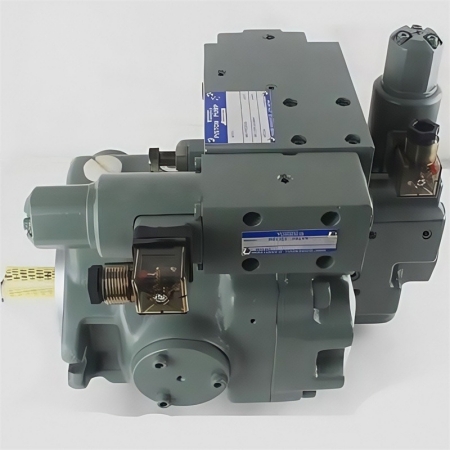
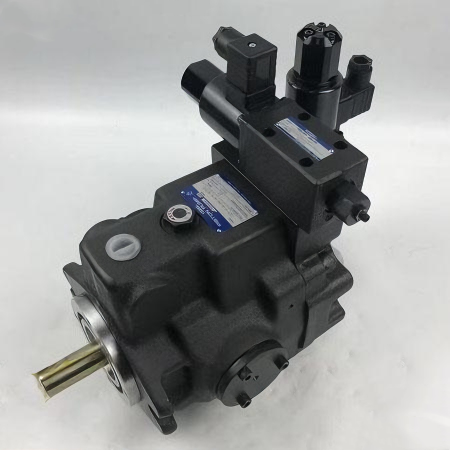
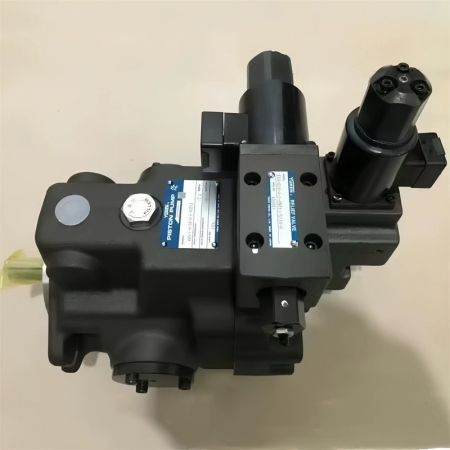

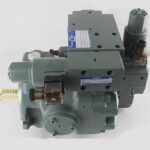
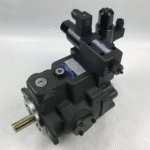


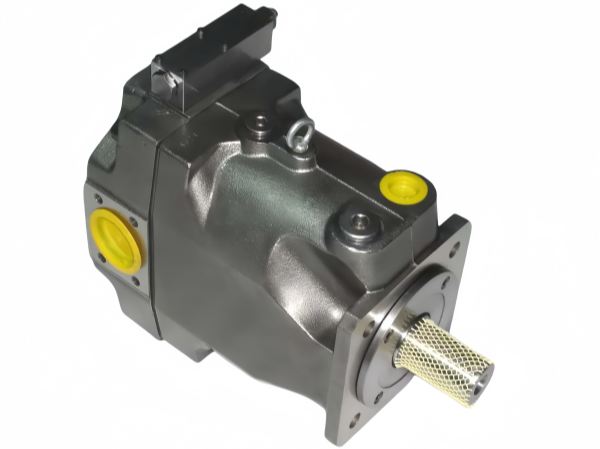
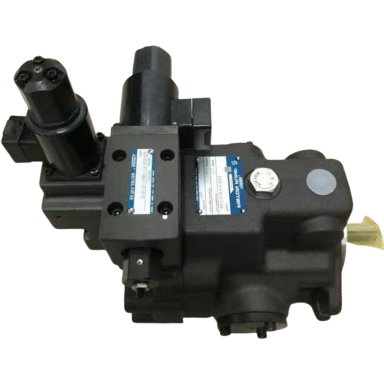
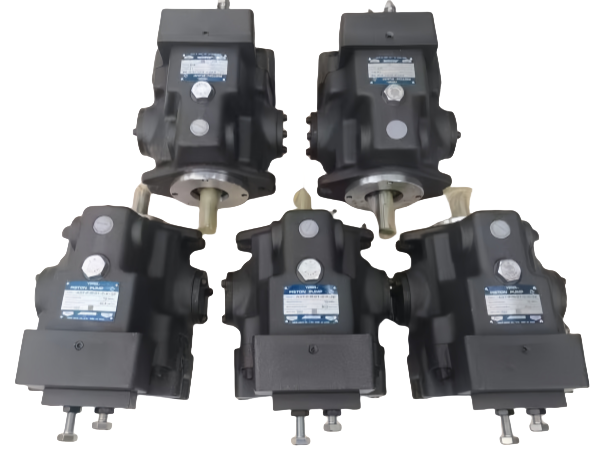
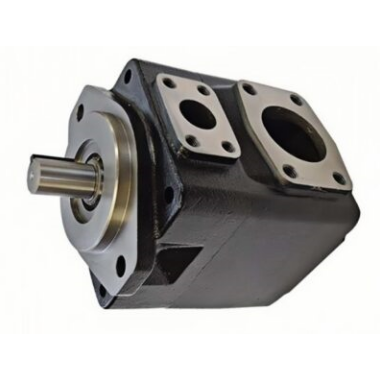
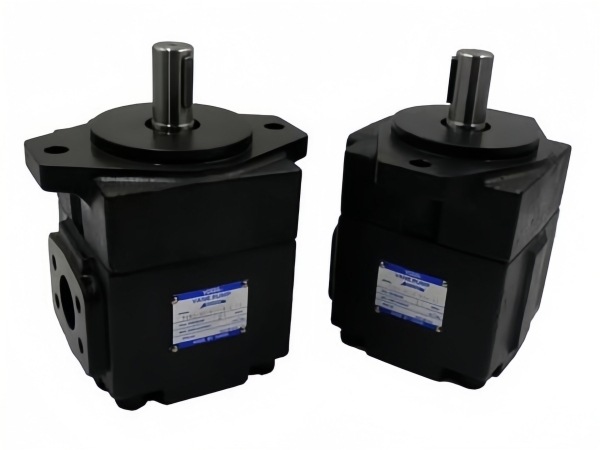
A90 series yuken Variable piston pump
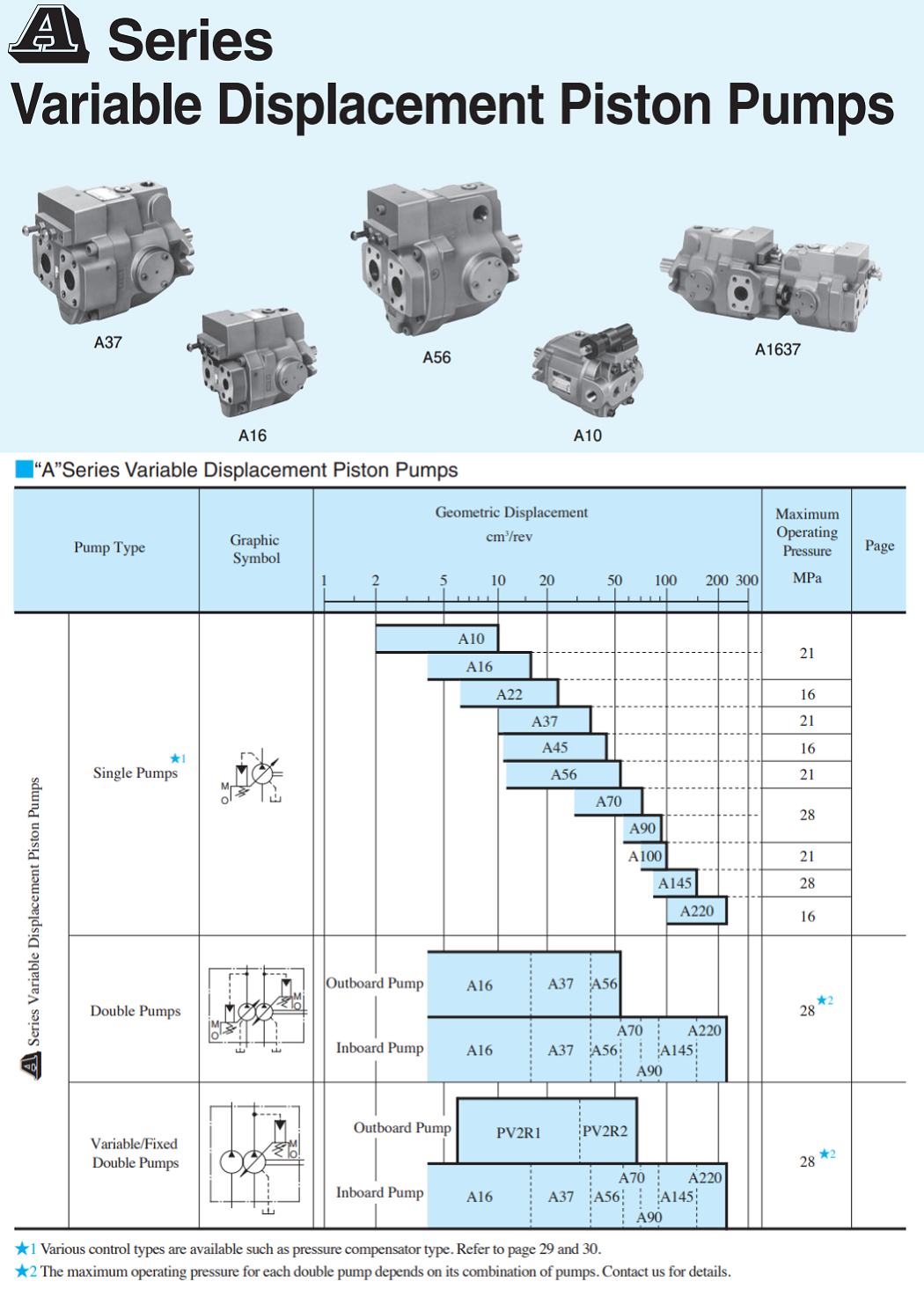
Youyan A series variable piston pumps have a wide range of displacement, ranging from 10cm3/rev to 219cm3/Rev. Common displacement includes: A10, A16, A22, A37, A56, A70, A90, A145
E-mail: hyd-sales2009@outlook.com
Description
1. Model Nomenclature
The model of YUKEN A90 series variable displacement piston pump follows a standardized coding rule, which is used to distinguish different configurations such as control mode, installation type and rotation direction. The typical model format is as follows (taking common models as examples):
Example: A90-FR01BS-60
-
A90: Series identifier, indicating the A90 series variable displacement piston pump, corresponding to a geometric displacement of 91.0 cm³/rev.
-
FR: Control mode, representing pressure compensator type (a common control mode for A90 series, optional electro-hydraulic proportional load-sensitive control mode as well).
-
01: Control type code, representing pressure compensation control type (04 for electro-hydraulic proportional load-sensitive control).
-
BS: Shaft end and seal configuration, customized according to application scenarios, with “S” indicating side interface and “HS” representing high-pressure seal design.
-
60: Design number, a common version identifier for A series piston pumps, used to mark the iteration version of the product.
Common model variants of the A90 series include A90-FR01HS-60, A90-FR01CS-60, A90-FR04HS-10, etc., with differences mainly in seal type and pressure adjustment range (H: 1.5~21MPa, C: 1.5~16MPa). Some special models such as A90-L-R-04-C-S-K-32 are designed for large-flow scenarios, with a displacement of up to 180.7 cm³/rev.
2. Core Technical Parameters
|
Parameter Item
|
Specification
|
Unit
|
|
Geometric Displacement
|
91.0
|
cm³/rev
|
|
Minimum Adjustable Flow
|
36
|
cm³/rev
|
|
Rated Operating Pressure
|
28 (4060 psi)
|
MPa
|
|
Maximum Intermittent Pressure
|
32 (4640 psi)
|
MPa
|
|
Shaft Speed Range
|
600 – 1800
|
r/min
|
|
Approximate Mass (Foot Mounting)
|
68.0 – 78.0
|
kg (149.9 – 172.0 lbs)
|
|
Rotation Direction
|
Clockwise (from shaft end, counterclockwise optional on request)
|
–
|
|
Control Type
|
Pressure Compensator Type (optional electro-hydraulic proportional load-sensitive control mode)
|
–
|
|
Material
|
Austempered Ductile Iron or High-Strength Alloy Steel (key components)
|
–
|
3. Hydraulic Fluid Requirements
-
Fluid Type: Petroleum-based oils, such as anti-wear hydraulic oils (HM type) or R&O (Rust and Oxidation Inhibitor) type hydraulic oils equivalent to ISO VG 32 or 46. Synthetic ester-based hydraulic oils (HEES type) are recommended for high-temperature working conditions.
-
Viscosity Range: 20 – 400 mm²/s (98 – 1800 ssu); the viscosity should not exceed 1600 mm²/s during low-temperature startup.
-
Temperature Range: 0 – 60 °C (32 – 140 °F); for high-temperature environments above 80 °C, customized high-temperature seals are required.
-
Contamination Control: The degree of contamination should be maintained within NAS Grade 9. The suction port must be equipped with a filter of at least 100μm (150 mesh) to ensure the cleanliness of the hydraulic fluid and the stable operation of the pump.
About brand

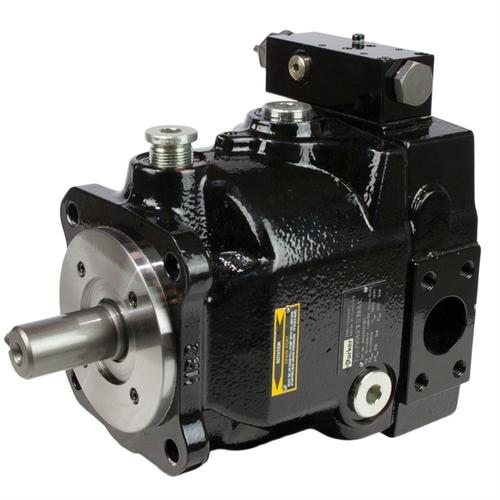
Shipping & Delivery