Sale
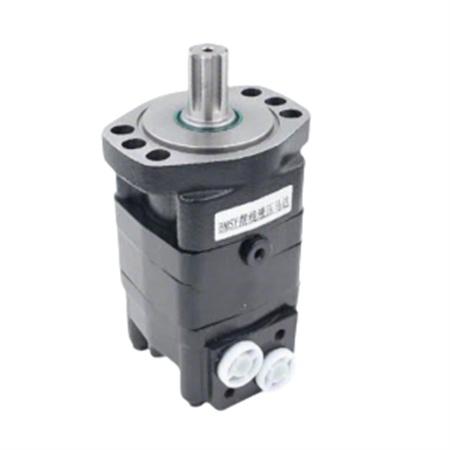
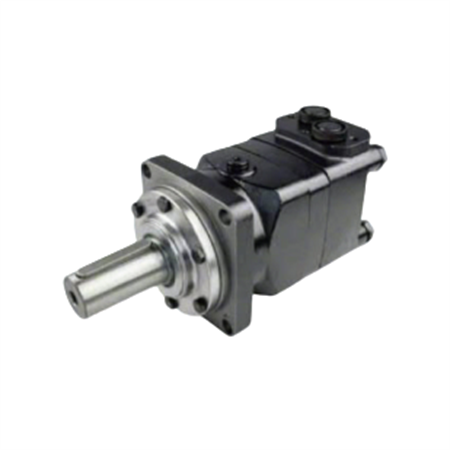
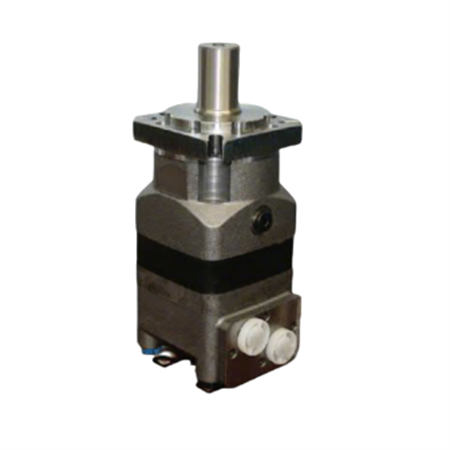
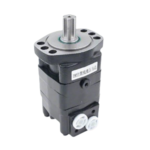
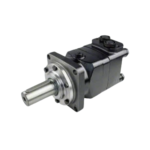
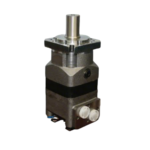
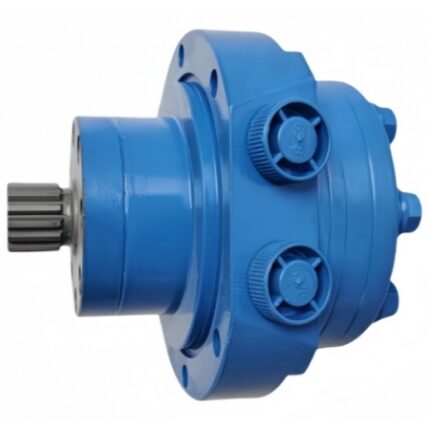
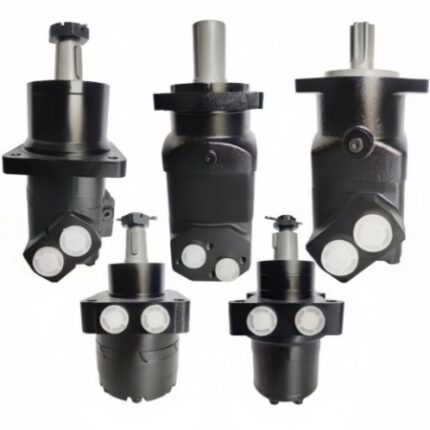
BMSY series Hydraulic motor
Whats app: +86 13728707767
E-mail: hyd-sales2009@outlook.com
We are a professional manufacturer of hydraulic pumps, offering a complete range of products. Inquiries are welcome! (#^.^#)
Description
The BMSY Series Hydraulic Motor is a high-performance, high-power density hydraulic motor designed for versatile industrial applications. Its reliable performance is supported by precise technical parameters, making it suitable for heavy-load, low-noise, and harsh-environment scenarios. Below is the detailed and complete technical specifications of the BMSY Series Hydraulic Motor, covering key parameters such as displacement, pressure, torque, speed, and more, to help you make accurate selection and matching.
Detailed Technical Specifications of BMSY Series Hydraulic Motor
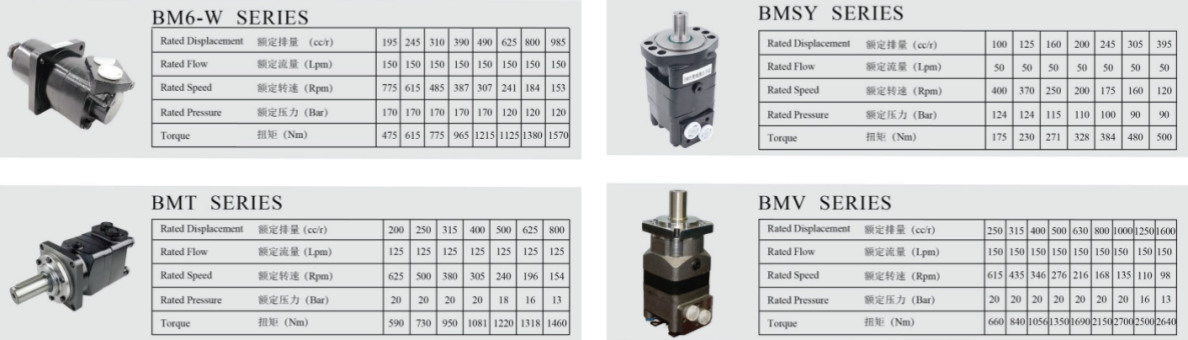
The BMSY series is available in multiple models with flexible parameter ranges, which can be customized according to specific application needs. The following are the standard parameter ranges and detailed explanations, which are crucial for hydraulic system matching and equipment operation efficiency.
|
Technical Parameters
|
Standard Range
|
Parameter Explanation & Application Tips
|
|---|---|---|
|
Displacement
|
120 cc/r – 750 cc/r
|
Displacement refers to the volume of fluid required for the motor to complete one full rotation (excluding leakage). A larger displacement means higher torque output, suitable for heavy-load scenarios such as mining machinery and construction equipment.
|
|
Continuous Pressure
|
18 MPa – 26 MPa
|
The maximum pressure that the motor can withstand during long-term continuous operation, complying with industrial high-pressure standards. It is compatible with 18MPa-32MPa pressure level hydraulic systems, ensuring stable operation in high-pressure working conditions.
|
|
Peak Pressure
|
Up to 30 MPa
|
The maximum instantaneous pressure that the motor can bear in short-term overload operation, which is 10%-15% higher than the continuous pressure, effectively resisting load impact.
|
|
Continuous Torque
|
320 Nm – 1500 Nm
|
Torque is a measure of rotational force, calculated as the product of force and the distance from the center of rotation. The continuous torque range ensures stable power output for heavy-load equipment such as excavators and harvesters.
|
|
Continuous Speed
|
110 rpm – 880 rpm
|
The stable speed range during long-term operation, suitable for low-speed and high-torque scenarios. The precision gear transmission design ensures smooth operation even at the minimum continuous speed.
|
|
Max Flow Rate
|
Up to 160 L/min
|
The maximum volume of hydraulic fluid that the motor can input per minute, directly affecting the motor’s speed and power output. It matches the flow output of mainstream hydraulic pumps in the industry.
|
|
Operating Temperature
|
-45℃ ~ 105℃
|
The temperature range suitable for long-term operation, with strong high and low temperature adaptability. It can work stably in cold areas and high-temperature industrial environments, reducing downtime caused by temperature issues.
|
|
Protection Level
|
IP67
|
With excellent waterproof, dustproof, and anti-corrosion performance, it can adapt to harsh outdoor working environments such as construction sites, mines, and farmlands, extending the service life.
|
|
Certifications
|
CE, ISO 9001, ISO 14001, GB/T 28007.1-2011
|
Complies with international and national industry standards, ensuring product quality and safety, and can be widely used in domestic and overseas markets.
|
Key Parameter Matching Guidelines
To ensure the BMSYHydraulic Motor operates efficiently and stably, it is crucial to match parameters according to actual application scenarios. Here are the core matching guidelines:
-
Displacement & Torque Matching: For heavy-load equipment (such as mining machinery and large excavators), select models with large displacement (500 cc/r – 750 cc/r) to ensure sufficient torque output; for light-load and high-efficiency scenarios (such as small material handling equipment), select small-displacement models (120 cc/r – 300 cc/r).
-
Pressure & Flow Matching: The motor’s continuous pressure should be 5%-10% lower than the hydraulic system’s working pressure to avoid overload; the max flow rate should match the hydraulic pump’s output flow to ensure stable speed and power.
-
Temperature & Environment Matching: For high-temperature environments (such as smelting workshops), pay attention to the motor’s heat dissipation performance; for low-temperature environments (such as cold regions), select models with low-temperature resistance to ensure smooth startup.
Customization Parameters & Service
The BMSY Series Hydraulic Motor supports flexible parameter customization to meet the personalized needs of different industries and equipment. The customizable parameters include displacement, continuous pressure, shaft type, and mounting configuration, with a minimum order quantity of 10 units for small-batch customization.
We provide professional technical consultation and parameter matching services, helping you select the most suitable model according to your hydraulic system and application scenarios. For more details on specific model parameters or customization requirements, please contact us..
Shipping & Delivery