Sale


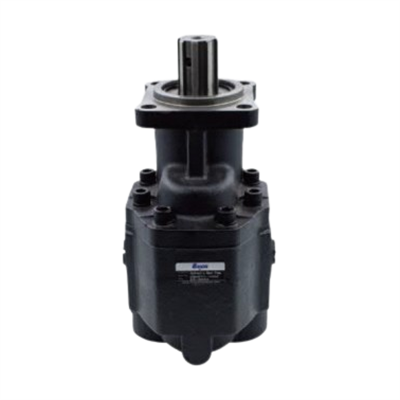


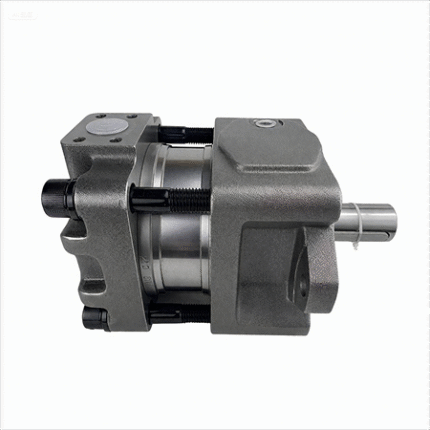
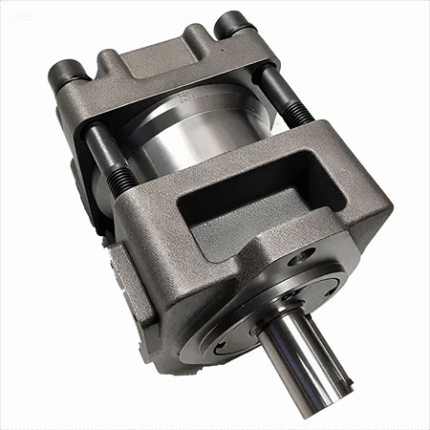
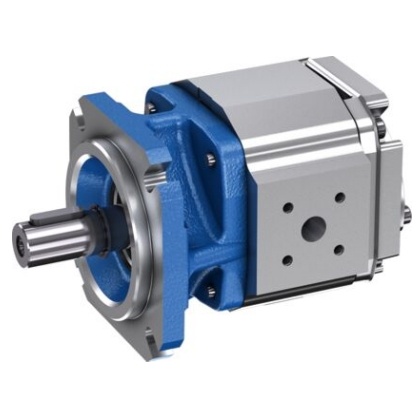
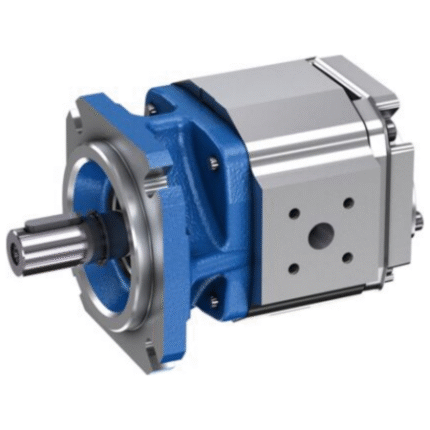
CBHST1-30-ISO series gear pumps
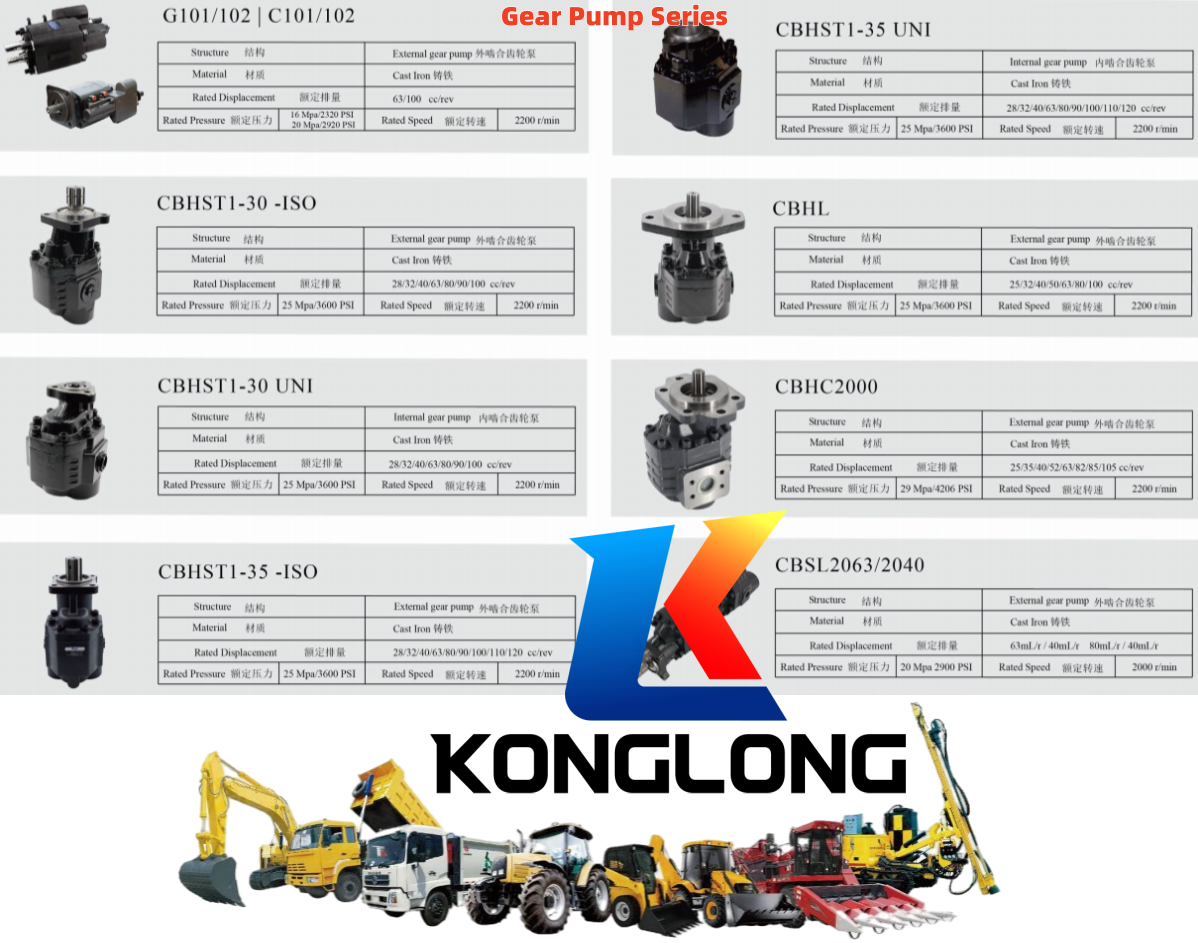
The CBHST1-30 hydraulic pump has a displacement range of 43 ml/rev to 120 ml/rev, while the CBHST1-30-ISO model has an expected displacement of 30 ml/rev。
E-mail: hyd-sales2009@outlook.com
Description
CBHST1-30-ISO Series Gear Pump
The CBHST1-30-ISO series gear pump is a high-performance external meshing hydraulic component, meticulously engineered to meet the rigorous demands of industrial and construction machinery applications. Adhering to international ISO and UNI mounting dimension standards, this pump delivers exceptional durability, efficiency, and compatibility, making it a reliable power source for hydraulic systems.
Construction & Material Advantages
Crafted from high-strength cast iron, the CBHST1-30-ISO gear pump boasts robust load-bearing capacity and resistance to wear, ensuring long-term stable operation even in harsh working environments. Its optimized design features improved rear oil port and oil measurement port configurations, enhancing sealing performance and fluid distribution efficiency. The pump is equipped with self-lubricating sliding bearings, which reduce noise (only 30% of that of ball bearings under the same conditions) and eliminate the need for manual lubrication, significantly lowering maintenance costs. Dual independent mechanical seals form a reliable double barrier against leakage, guaranteeing tightness in both static and dynamic conditions.
Key Technical Parameters
|
Parameter
|
Specification
|
|---|---|
|
Nominal Displacement
|
25-120 ml/r (optional models: 25-ISO, 32-ISO, 40-ISO, 50-ISO, 63-ISO, 80-ISO, 100-ISO)
|
|
Pressure Rating
|
Nominal: 20 MPa; Maximum: 25 MPa
|
|
Speed Range
|
Nominal: 2000 rpm; Maximum: 2500 rpm
|
|
Volumetric Efficiency
|
≥ 92%
|
|
Rotation Direction
|
Left (L), Right (R), Dual-direction available
|
|
Flange Type
|
ISO standard (4-hole)
|
|
Oil Port Specification
|
G3/4 (for 25-40 ISO models); G1 (for 50-80 ISO models); G1 1/4 (for 100 ISO model)
|
|
Operating Temperature
|
-20℃ to 80℃
|
|
Shaft Extension Type
|
H1, H2
|
Core Performance Advantages
-
High Energy Efficiency: Adopting advanced gear meshing technology, the transmission efficiency is 3% higher than that of traditional hydraulic pumps, effectively reducing energy consumption and operational costs while delivering powerful output.
-
Stable & Reliable Operation: Passing 40 hours of continuous rigorous load testing, the pump maintains minimal pressure fluctuation, ensuring balanced operation and minimizing downtime caused by failures.
-
Wide Compatibility: Fully compatible with major European and American hydraulic products (such as PGP 300/500/600 series), facilitating easy maintenance and replacement, and lowering repair costs.
-
Compact Design: Compliant with ISO mounting standards, the pump features a compact structure, making it suitable for installation in space-constrained hydraulic systems of mobile equipment.
Application Fields
The CBHST1-30-ISO series gear pump is widely applied in hydraulic systems of various construction and industrial equipment, including dump trucks, vehicle cranes, aerial work platforms, municipal vehicles, and other chassis-mobile vehicles. It is also suitable for agricultural machinery, mining equipment, and drilling machinery, adapting to diverse working conditions with excellent performance.
Quality Assurance & After-Sales Service
Each pump undergoes strict factory inspection in accordance with JB/T 7041.2-2020 standards, ensuring compliance with quality requirements for sealing, noise, and durability. We provide a 12-month warranty and offer timely after-sales service, including fast delivery, sample customization, and technical support, to meet customer needs worldwide.
Shipping & Delivery