Home » Product » DCV100 directional control valve

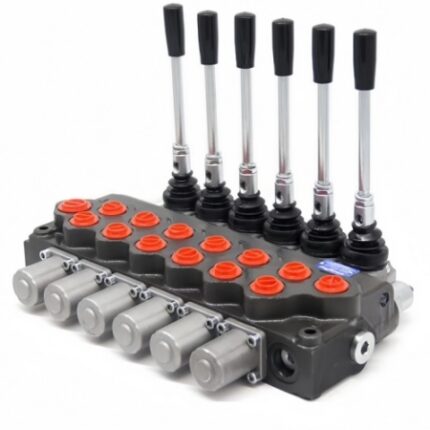
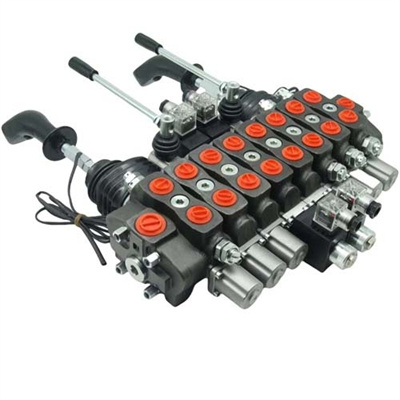
DCV100 directional control valve

DCV directional control valve:DCV20、DCV40、DCV56、DCV58、DCV60、DCV100、DCV140、DCV200
                  E-mail: hyd-sales2009@outlook.com

Description

Overview of DCV100 series multi-way reversing valve
DCV100 series is a multi-way directional control valve suitable for medium and high pressure hydraulic systems. It has the characteristics of high working pressure, compact structure, good opening and closing characteristics of safety valves and overload valves, and good versatility.
Core parameters
Rated flow rate: 60 liters/min – 100 liters/min
Rated working pressure: 315 bar
Maximum working pressure: 350 bar
Structure: Fragmented
Number of working links: 1-12 links

Main features and applications
Widely used: construction machinery, sanitation machinery, drilling machinery, agricultural machinery, oilfield equipment, sanitation vehicles, etc.
Control form: support hydraulic control, electro-hydraulic control and pneumatic control.
Oil port size: Provide M161.5, M181.5, M221.5, M272, M33*2 and other specifications.
Material and working temperature: The main material is mostly cast iron, and the applicable temperature range is -20℃ to 80℃.

When purchasing DCV100 multi-way valves, it is recommended that you clarify the specific operating conditions of the equipment (such as the required number of connections, control method, and interface size), which can help you quickly lock in the most matching model, and it can also facilitate suppliers to provide accurate quotations and technical support.
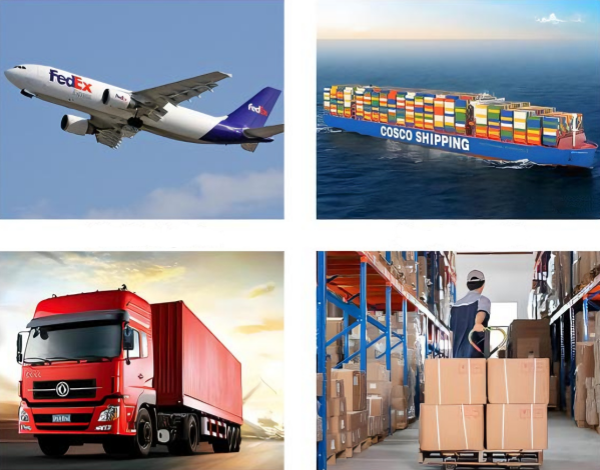
Shipping & Delivery

Process steps:
Customer inquiry: Customers will make inquiries before placing an order to understand product details and communication needs.
Quotation: According to customer needs, provide a formal quotation, including the name, model, quantity, delivery time, payment method, etc. of the goods.
Order confirmation: After the customer confirms the quotation, a formal purchase order will be placed.
Confirm the delivery time: communicate the delivery time with the production department, inform the factory of the order details, and arrange the production plan.
Sign an export contract: After the two parties confirm that it is correct, sign an export contract to establish a trade relationship.
Implement the letter of credit (if applicable): If the payment method of the letter of credit is used, the customer needs to be urged to issue the certificate and review the contents of the letter of credit.
Export stocking: According to the requirements of the contract and the letter of credit, arrange production, purchase raw materials and packaging, and prepare the goods.
Chartering and booking: Contact the freight forwarder to make a booking and arrange the transportation of goods.
Export inspection: Apply to the quality inspection department for export commodity inspection and provide relevant documents.
Apply for a write-off slip: apply for a write-off slip from the foreign exchange management department for subsequent foreign exchange write-off.
Export declaration: Declare exports to the customs and provide documents such as power of attorney for customs declaration, customs declaration form for export goods, commercial invoice, packing list, etc.