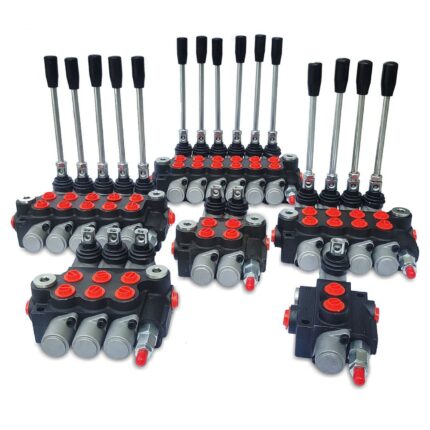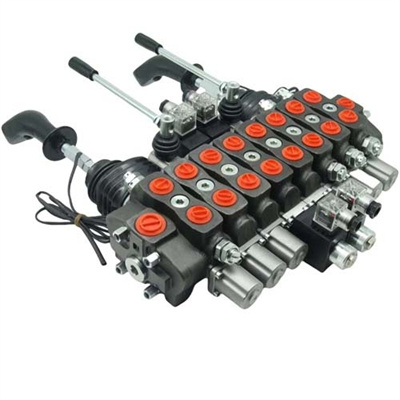

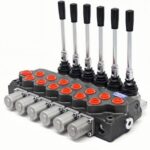

DCV56 directional control valve
DCV directional control valve:DCV20、DCV40、DCV56、DCV58、DCV60、DCV100、DCV140、DCV200
E-mail: hyd-sales2009@outlook.com

Regarding the DCV56 series of multi-way directional control valves, the detailed technical information currently disclosed is relatively limited.However, according to existing industry information, such valves are usually the core control components of medium and high pressure hydraulic systems.
Basic features and applications
DCV series multi-way directional control valve is specially designed for medium and high pressure hydraulic systems, and is known for its high working pressure, compact structure, and good valve core opening and closing characteristics.They are widely used in construction machinery, sanitation machinery, drilling equipment and other fields to realize centralized control of multiple hydraulic actuators (such as oil cylinders and motors).
Reference to key parameters of selection
When choosing a multi-way valve like DCV56, you need to focus on the following core parameters:
Rated flow rate: It determines the maximum oil flow that the valve can pass through, which directly affects the working speed of the actuator.
Rated working pressure: The highest system pressure that the valve can safely withstand.
Joint number: That is, the number of working circuits controlled by the valve, which can be combined according to the needs of the equipment.
Manipulation methods: such as manual, hydraulic control, electro-hydraulic control, etc., need to be matched with the control system of the whole machine.
Suggestions for next actions
In order to obtain the most accurate technical specifications, prices and availability of the DCV56 series, it is recommended that you contact the hydraulic component manufacturer or authorized distributor directly.Provide your equipment model and specific application requirements, and they can recommend the most matching solution for you..