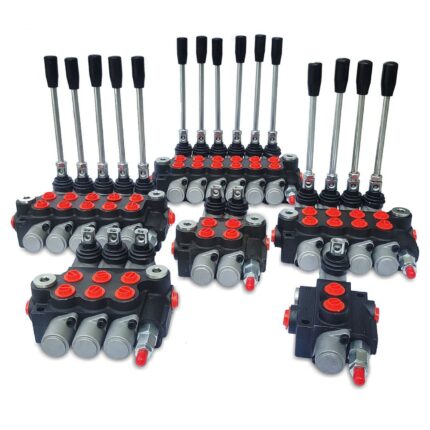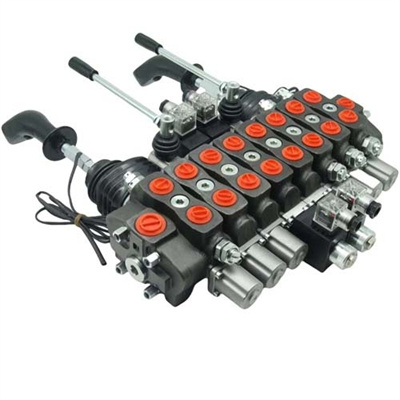


DCV58 directional control valve
DCV directional control valve:DCV20、DCV40、DCV56、DCV58、DCV60、DCV100、DCV140、DCV200
E-mail: hyd-sales2009@outlook.com

General characteristics of DCV series multi-way directional control valve
DCV series multi-way directional control valve is specially designed for medium and high pressure hydraulic systems and has the following outstanding characteristics:
Superior performance: high working pressure, compact structure, good opening and closing characteristics of safety valves and overload valves.
Widely used: it is commonly used in construction machinery, sanitation machinery and drilling machinery.
Flexible combination: using a fragmented structure, the number of links can be combined as needed between 1 and 12 links.
Various controls: support manual, pneumatic control, hydraulic control, electro-hydraulic control and other operating methods.
Reference to the core parameters of selection
For valves such as DCV58, the following parameters need to be paid attention to when selecting the type:
Rated flow rate: Determines the flow capacity of the valve and directly affects the speed of the actuator.
Rated working pressure: The maximum pressure at which the valve can work safely for a long time.
Number of working links: determined according to the number of actuators that need to be controlled.
Operation method: choose according to the control scheme of the whole machine, such as manual, pneumatic, electric or electro-hydraulic control.
Oil port size: Common oil port connections are threaded, such as M27×2, M33×2, etc.
Since there may be differences in the specific parameters of DCV58 valves produced by different manufacturers, it is recommended that you contact the hydraulic component supplier directly and provide your equipment model and specific application requirements in order to obtain the most accurate model recommendation and quotation..