Sale
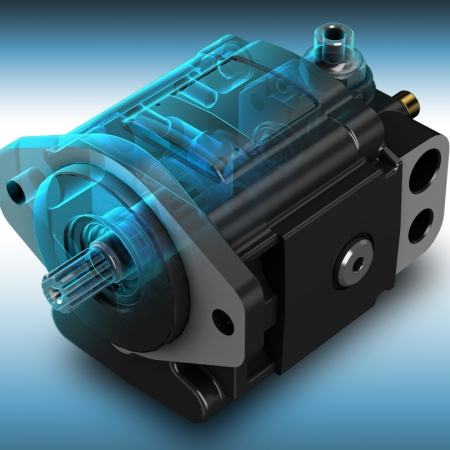
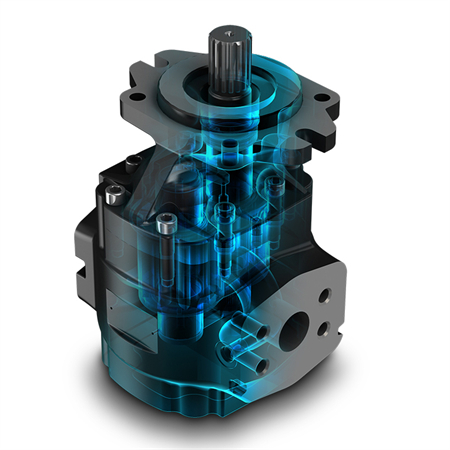
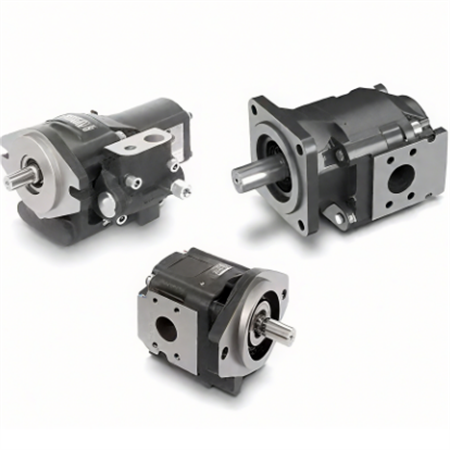
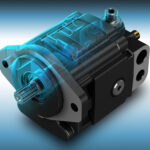
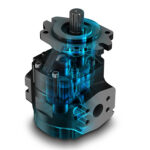
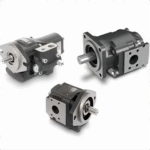
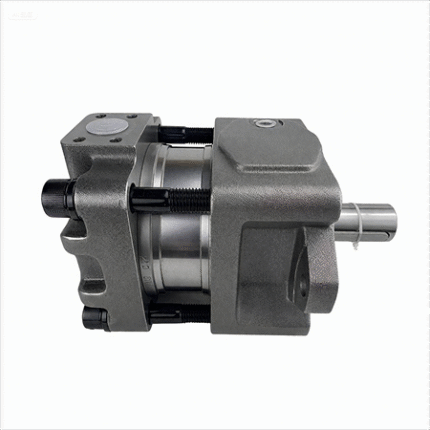
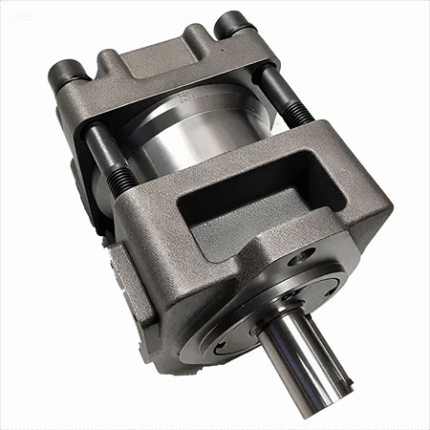
KP35.100、 KP35.63 series casappa gear pump
KP20 series gear pump: rated displacement is 25 cm3/rev 。
KP30 series gear pump: displacement range is 3.40-23.37 cm3/rev 。
KP40 series gear pump: displacement up to 40 cm3/rev 。
E-mail: hyd-sales2009@outlook.com
Description
Parameter Description of Casappa Gear Pumps KP35.100 & KP35.63
General Overview
The Casappa KP35 Series (Kappa 35) is a range of high-performance external gear pumps produced by Casappa S.p.A., an Italian specialist in fluid power technology. Featuring a three-piece cast iron construction, these pumps offer exceptional reliability, high efficiency, and strong durability, making them suitable for harsh operating conditions. This document details the technical specifications, model interpretation, performance characteristics, operating requirements, and application scope of two key models: KP35.100 and KP35.63. Both models adhere to the same series design principles, with differences primarily in displacement and corresponding dimensional parameters.
1. Model KP35.100
1.1 Model Interpretation
The model designation KP35.100 follows Casappa’s standard naming convention for the Kappa series, with each segment representing specific product attributes:
|
Segment
|
Meaning
|
|
KP
|
Series identifier: Kappa Series external gear pump, specifically designed for medium-to-high pressure hydraulic systems.
|
|
35
|
Size grade: Group 35 (medium-large frame size), compatible with SAE, European, and German standard mounting flanges.
|
|
100
|
Displacement specification: Theoretical displacement of 100 cm³ per revolution (cm³/rev), equivalent to 6.10 cubic inches per revolution (in³/rev), making it the larger displacement variant of the two models.
|
1.2 Core Technical Parameters
|
Parameter Name
|
Specification
|
Unit
|
|
Series
|
KP35 (Kappa 35)
|
–
|
|
Theoretical Displacement
|
100 (6.10)
|
cm³/rev (in³/rev)
|
|
Rated Continuous Pressure
|
210 (3045)
|
bar (psi)
|
|
Maximum Peak Pressure
|
320 (4640)
|
bar (psi)
|
|
Speed Range
|
500 – 3000
|
rpm
|
|
Mounting Type
|
Foot Mount / Flange Mount (Optional)
|
–
|
|
Suction Port Diameter
|
32
|
mm
|
|
Discharge Port Diameter
|
36
|
mm
|
|
Overall Length (Approx.)
|
245
|
mm
|
|
Weight (Approx.)
|
18.2
|
kg
|
|
Rotation Direction
|
Reversible (Clockwise/Counterclockwise, viewed from shaft end)
|
–
|
|
Port Connection
|
Screw / Flange Type
|
–
|
1.3 Performance Characteristics
-
High Flow Output: With a theoretical displacement of 100 cm³/rev, the pump delivers large flow rates, making it ideal for high-flow, medium-pressure hydraulic systems that require consistent fluid supply.
-
Extreme Pressure Resistance: The reinforced cast iron pump body and precision-machined gears enable stable operation at a maximum peak pressure of 320 bar, suitable for heavy-duty industrial and construction applications.
-
Superior Efficiency: Boasting a volumetric efficiency of ≥ 95% and an overall efficiency of ≥ 90%, the pump minimizes energy loss, reducing operational costs and improving system performance.
-
Low Noise & Pulsation: The optimized gear tooth profile and internal flow path design effectively reduce flow pulsation and noise emission, ensuring quiet operation even in noise-sensitive environments.
-
Robust Durability: High-strength alloy gears and precision bearings enhance wear resistance, ensuring a long service life even under continuous high-load operating conditions.
-
Modular Flexibility: A wide range of optional shafts, flanges, and port positions allows for easy integration into diverse hydraulic systems, meeting customized application requirements.
2. Model KP35.63
2.1 Model Interpretation
The model KP35.63 shares the same size grade (Group 35) as the KP35.100, with the key difference being its smaller displacement, following Casappa’s standard naming rules:
|
Segment
|
Meaning
|
|
KP
|
Series identifier: Kappa Series external gear pump, adhering to the same design and quality standards as other models in the KP35 series.
|
|
35
|
Size grade: Group 35, identical to the KP35.100, featuring the same mounting dimensions for easy interchangeability and system upgrades.
|
|
63
|
Displacement specification: Theoretical displacement of 63.88 cm³ per revolution (cm³/rev), equivalent to 3.90 cubic inches per revolution (in³/rev), serving as the medium displacement variant in this pair.
|
2.2 Core Technical Parameters
|
Parameter Name
|
Specification
|
Unit
|
|
Series
|
KP35 (Kappa 35)
|
–
|
|
Theoretical Displacement
|
63.88 (3.90)
|
cm³/rev (in³/rev)
|
|
Rated Continuous Pressure
|
210 (3045)
|
bar (psi)
|
|
Maximum Peak Pressure
|
320 (4640)
|
bar (psi)
|
|
Speed Range
|
500 – 3000
|
rpm
|
|
Mounting Type
|
Foot Mount / Flange Mount (Optional)
|
–
|
|
Suction Port Diameter
|
28
|
mm
|
|
Discharge Port Diameter
|
32
|
mm
|
|
Overall Length (Approx.)
|
230
|
mm
|
|
Weight (Approx.)
|
16.5
|
kg
|
|
Rotation Direction
|
Reversible (Clockwise/Counterclockwise, viewed from shaft end)
|
–
|
|
Port Connection
|
Screw / Flange Type
|
–
|
2.3 Performance Characteristics
-
Balanced Flow & Compactness: With a displacement of 63.88 cm³/rev, the pump balances flow output and compactness, utilizing the same Group 35 frame as the KP35.100 to enable space-saving installation in medium-flow hydraulic systems.
-
High Reliability: The three-piece cast iron construction and precision manufacturing process ensure stable performance in harsh operating environments, including dust, vibration, and temperature fluctuations.
-
Energy Efficiency: Low internal leakage and optimized hydraulic design reduce power consumption, making the pump suitable for continuous-duty industrial applications where energy saving is a priority.
-
Easy Maintenance: The modular design allows for quick disassembly and replacement of wear parts, minimizing equipment downtime and reducing maintenance costs.
-
Versatile Compatibility: Interchangeable mounting dimensions with the KP35.100 simplify system upgrades and component replacement, enhancing flexibility in hydraulic system design.
3. Common Operating Requirements (Applicable to Both Models)
3.1 Hydraulic Fluid
-
Recommended hydraulic oil: R&O type anti-wear hydraulic oil with ISO VG 32–68, and a viscosity index of ≥ 90.
-
Operating kinematic viscosity: 20–150 mm²/s; preheat the pump at low pressure if the startup oil temperature is below 10°C to avoid component damage.
-
Contamination control: The hydraulic fluid contamination level should be maintained at NAS 8 or lower; avoid water contamination and solid particles to ensure long-term pump reliability.
3.2 Temperature Limits
-
Ambient temperature range: 0–60°C (32–140°F).
-
Hydraulic oil temperature range: -20–80°C (-4–176°F); avoid cold starts below -20°C without preheating to prevent damage to seals and gears.
3.3 Suction Conditions
-
Suction pressure: 0.02–0.3 MPa (2.9–44 psi).
-
Suction line flow velocity: ≤ 1.83 m/s (6 ft/s) to prevent cavitation and ensure stable suction performance.
-
Filter requirements: Install a 100 μm (150 mesh) suction strainer and a 25 μm return line filter to protect pump components from contamination.
3.4 Installation Notes
-
Mount the pump with the shaft horizontally; avoid applying radial or axial loads to the shaft end (do not use belt or gear direct drive).
-
Bleed air from the pump and hydraulic pipelines through inching operation (start-stop) during startup to ensure smooth operation.
-
During trial operation, check for abnormal noise, vibration, or fluid leakage; stop operation immediately if any abnormalities are found to avoid further damage.
4. Application Scope
|
Model
|
Ideal Applications
|
|
KP35.100
|
|
|
KP35.63
|
|
5. Key Optional Features
Both the KP35.100 and KP35.63 support factory-customized options to enhance functionality and adapt to specific application requirements:
-
Built-in valves: Anti-shock valves, anti-cavitation valves, pressure relief valves, and load-sensing (LS) priority valves.
-
Shaft configurations: Splined or keyed shafts conforming to SAE standards.
-
Port positions: Side or top port options for flexible pipeline layout in limited installation spaces.
-
Multiple pump units: Tandem or multi-stage pump assemblies for complex hydraulic systems requiring different flow rates.
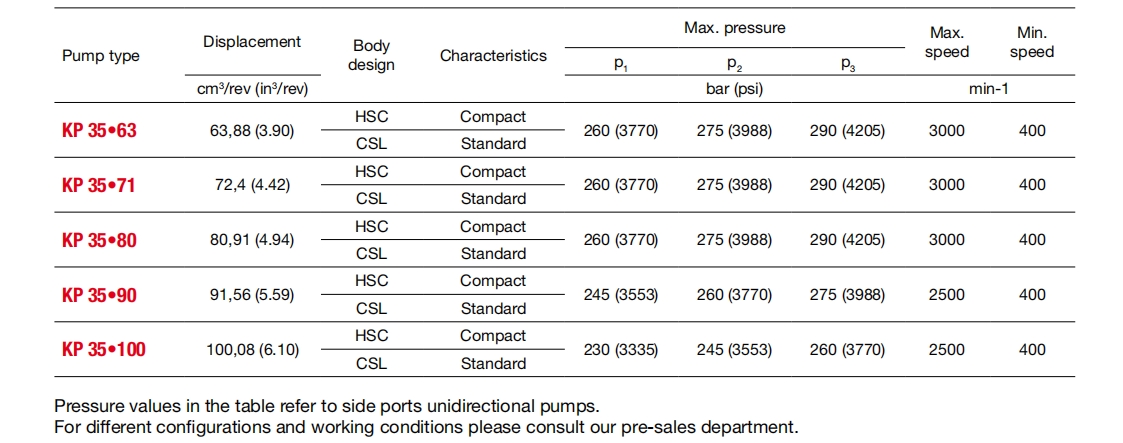
| KP20 series | KP20.11.2 | KP20.14 | KP20.16 | KP20.20 | KP20.25 | KP20.31.5 | KP20.4 | KP20.6.3 | KP20.8 | |
|---|---|---|---|---|---|---|---|---|---|---|
| KP30 series | KP30.27 | KP30.34 | KP30.38 | KP30.43 | KP30.51 | KP30.56 | KP30.61 | KP30.73 | ||
| KP35 series | KP35.100 | KP35.63 | KP35.71 | KP35.80 | KP35.90 | |||||
| KP40 series | KP40.100 | KP40.109 | KP40.121 | KP40.133 | KP40.151 | KP40.160 | KP40.180 | KP40.63 | KP40.73 | KP40.87 |
Shipping & Delivery