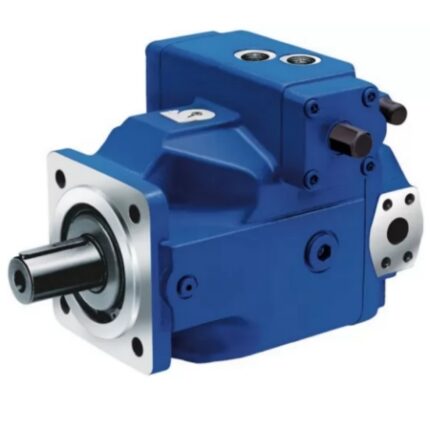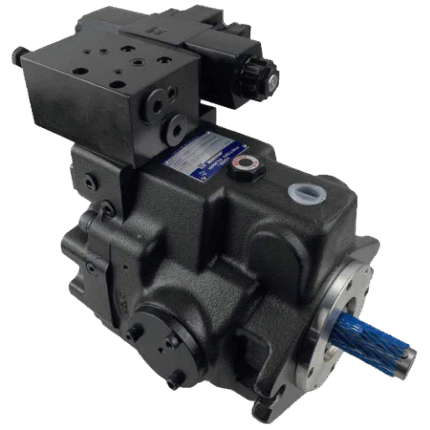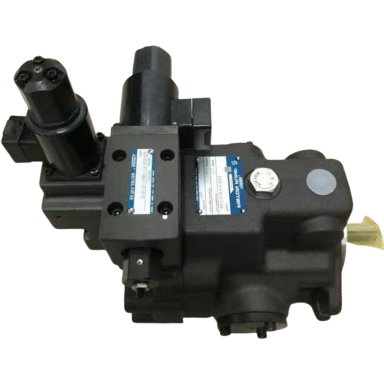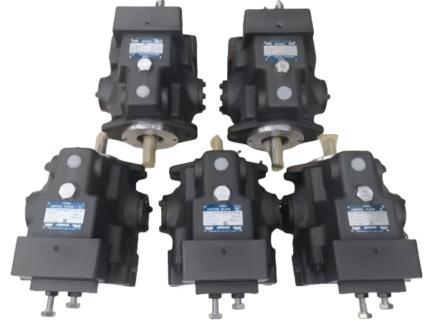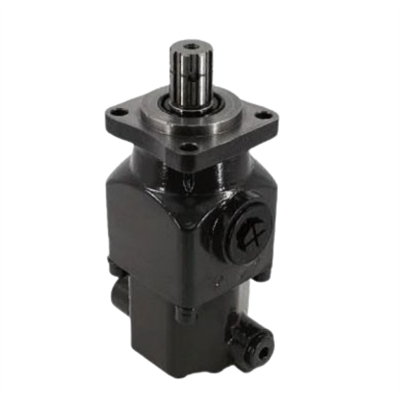


P7-63 series piston pump
Our products are used in a wide range of applications including agricultural machinery, construction machinery, drilling machinery,petroleum machinery and specialized vehicles.
E-mail: hyd-sales2009@outlook.com
I. Introduction to Relevant Plunger Pump Models
63 Plunger Pump Parameters:
Input Shaft Speed: 1460 rpm
Plunger Stroke: 60 mm
Gear Reduction Ratio: Available in 3.650 and 2.917
Pump Speed: 400 min⁻¹ or 500 min⁻¹
Power: 7.5 kW, 11 kW, 15 kW, 18.5 kW, 22 kW
Plunger Diameter: 7.5 mm, 11 mm, 15 mm, 18.5 mm, 22 mm
Pressure: 25 MPa, 32 MPa, 40 MPa, and other specifications
Rated Flow Rate: For example, at a pressure of 25 MPa, flow rates are available in combinations such as 1.5 L/min and 15 L/min. (Rexroth) A2FM63 Series: Displacement: 63 cm³ Minimum Speed: 900 rpm Maximum Speed: 1800 rpm Flow Rate (n=1450 min⁻¹): 108 l/min Nominal Pressure: 160 bar Weight: 37 kg
63scy14-1b Piston Pump: Displacement: 63 ml/rpm Pressure: 31.5 MPa Variable Displacement Type: Manual Variable Displacement Structural Features: Axial piston pump with rotating cylinder
A2F63 Series Swashplate Piston Pump: Application: Construction machinery Applicable Medium: Hydraulic oil Applicable Temperature: 30-90℃ Nominal Pressure: 32 MPa Features: Spherical distribution between cylinder and distributor plate, automatic alignment during rotation, low circumferential speed, high efficiency; drive shaft can withstand radial load; low noise.
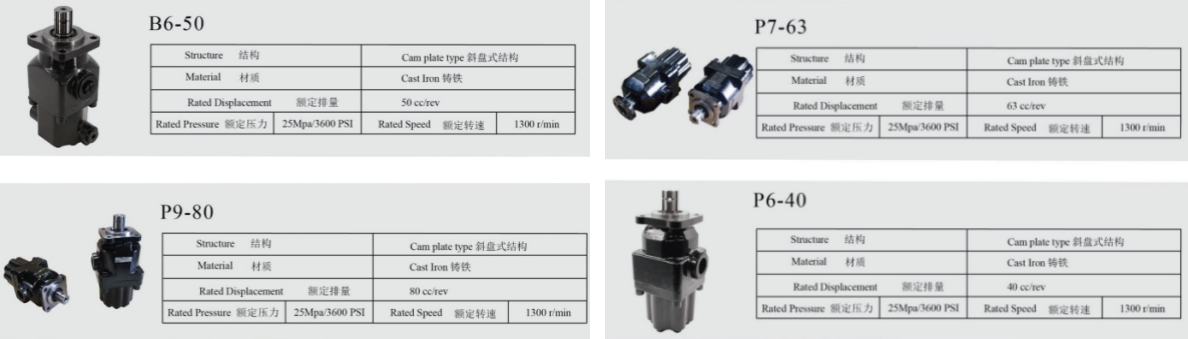
Typical characteristics of piston pumps:
High rated pressure: Piston pumps typically have high rated pressures, meeting the needs of high-pressure hydraulic systems.
Compact structure: Piston pumps have a compact design, occupying little space and facilitating installation and maintenance.
High efficiency: Piston pumps have high volumetric efficiency, effectively converting mechanical energy into hydraulic energy.
Convenient flow rate adjustment: The flow rate of a piston pump can be easily adjusted by changing the piston’s stroke or rotational speed.