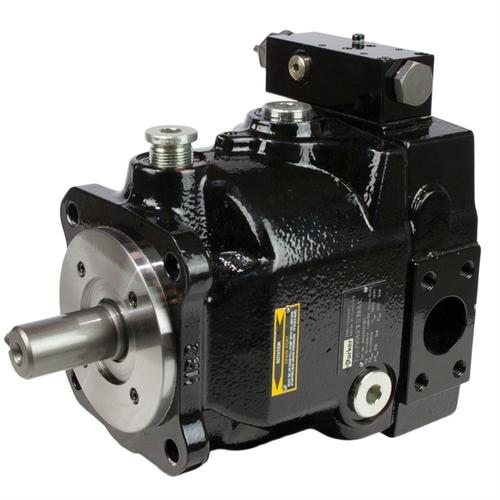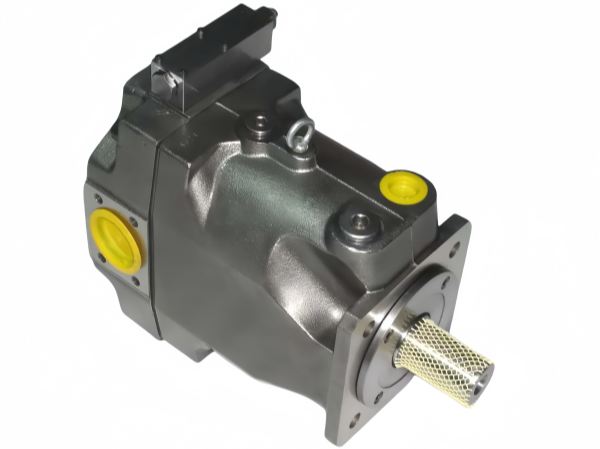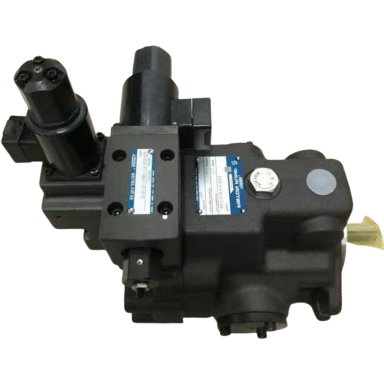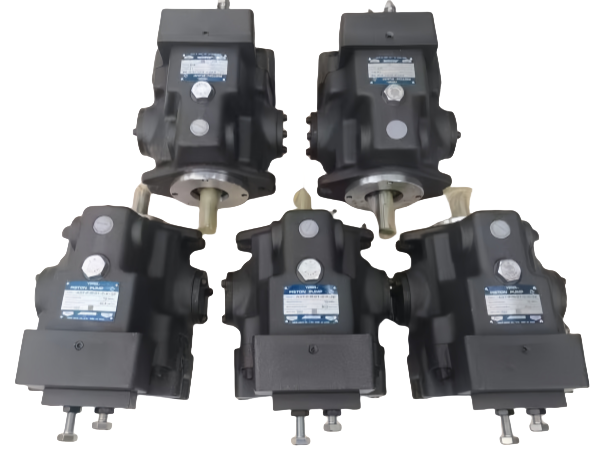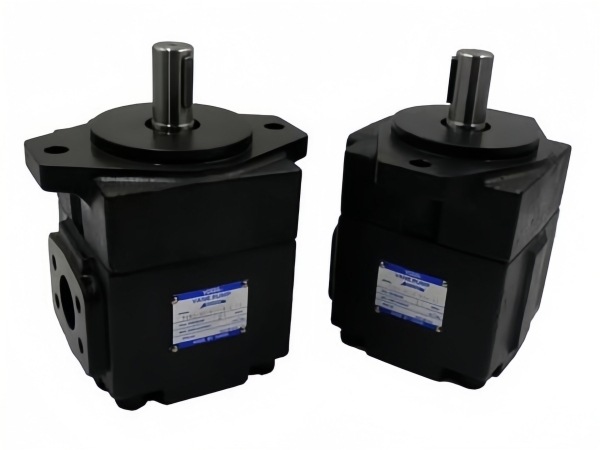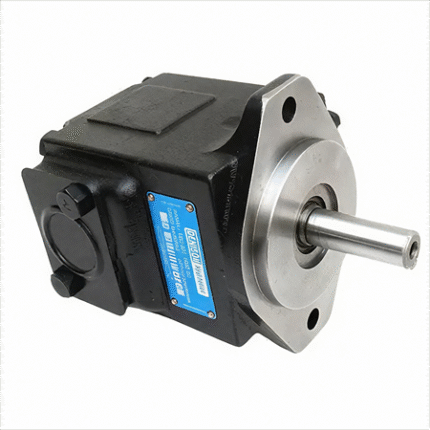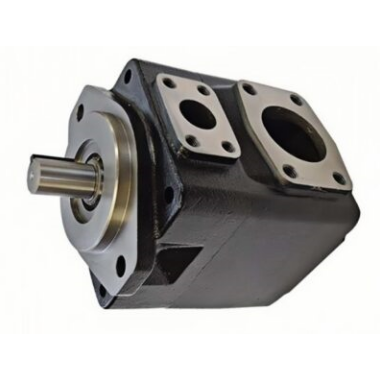

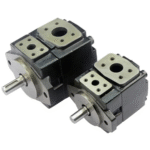


PV2R3 series vane pump (single pump)
Whats app: +86 13728707767
E-mail: hyd-sales2009@outlook.com
We are a professional manufacturer of hydraulic pumps, offering a complete range of products. Inquiries are welcome! (#^.^#)
YUKEN PV2R3 Series Single Vane Pump
1. Product Overview
2. Key Features
-
High Operating Pressure: Capable of withstanding high working pressure, meeting the demand for high-power hydraulic systems, and ensuring stable output under long-term operation.
-
Low Noise Design: Optimized vane and cam ring structure reduces friction and vibration during operation, achieving low noise levels that meet industrial environmental standards.
-
Easy Maintenance: Adopts a cartridge kit design, which allows quick disassembly and replacement of wearing parts (such as vanes, bushings, and seals) without removing the entire pump from the system, greatly reducing maintenance time and cost.
-
Stable Output Flow: Precision machining of internal components ensures uniform flow output, minimizing pressure fluctuations and improving the stability of the entire hydraulic system.
-
Wide Compatibility: Suitable for various hydraulic fluids, including petroleum-based oils, water-containing hydraulic fluids, and synthetic hydraulic fluids, adapting to different working environments.
3. Technical Specifications
|
Parameter
|
Detailed Specification
|
|---|---|
|
Nominal Displacement
|
52.2, 60, 66, 76, 85, 94, 116 cm³/rev (3.18, 3.66, 4.03, 4.64, 5.19, 5.73, 7.08 cu.in./rev)
|
|
Maximum Operating Pressure
|
210 kgf/cm² (20.6 MPa) for petroleum-based oils; 175 kgf/cm² (17.2 MPa) for water-containing/synthetic fluids
|
|
Shaft Speed Range
|
Minimum: 600 r/min; Maximum: 1800 r/min
|
|
Mounting Type
|
Foot mounting (Type L) or Flange mounting (Type F)
|
|
Shaft Rotation Direction
|
Clockwise (R) or Counterclockwise (L), viewed from the shaft end
|
|
Fluid Viscosity Range
|
10–400 mm²/s (cSt) at operating temperature
|
|
Operating Temperature Range
|
-10°C to 80°C (14°F to 176°F)
|
4. Installation and Usage Notes
-
Before installation, check the pump for damage during transportation, and ensure that all internal components are intact and free of debris.
-
The pump should be mounted on a flat and stable base, and the connection between the pump and the motor should be coaxial to avoid vibration caused by misalignment.
-
When connecting the hydraulic pipeline, ensure that the pipeline is clean and free of impurities, and use appropriate sealing materials to prevent oil leakage.
-
Fill the pump with hydraulic fluid before starting to avoid dry friction between internal components, which may cause damage.
-
During operation, regularly check the oil temperature, oil level, and noise of the pump. If abnormal phenomena are found, stop the machine immediately for inspection and maintenance.
-
Regularly replace the hydraulic fluid and filter element to ensure the cleanliness of the hydraulic system, which can effectively extend the service life of the pump.
5. Application Scope
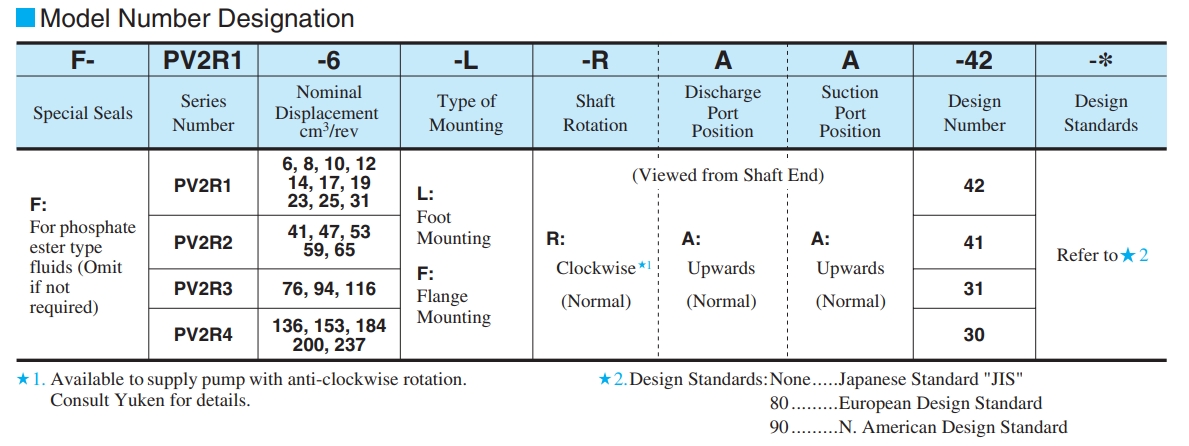
PV2R3-116-F-LAA-43 、 PV2R3-116-F-RAA-43 、 PV2R3-116-F-RAB-43 、 PV2R3-116-F-RAC-43 、 PV2R3-116-F-RAF-43 、 PV2R3-116-F-RFAL-43 、 PV2R3-116-F-RM-31 、 PV2R3-116-F-RM-43 、 PV2R3-52-F-LAA-43 、 PV2R3-52-F-RAA-43 、 PV2R3-52-F-RAB-43 、 PV2R3-52-F-RAC-43 、 PV2R3-52-F-RFAL-43 、PV2R3-52-F-RM-31 、 PV2R3-60-F-LAA-43 、 PV2R3-60-F-RAA-43 、 PV2R3-60-F-RAB-43 、 PV2R3-60-F-RAC-43 、 PV2R3-60-F-RFAL-43 、 PV2R3-60-F-RM-31 、 PV2R3-66-F-LAA-43 、 PV2R3-66-F-RAA-43 、 PV2R3-66-F-RAB-43 、 PV2R3-66-F-RAC-43 、 PV2R3-66-F-RFAL-43 、 PV2R3-66-F-RM-31 、 PV2R3-66-F-RM-43 、 PV2R3-66-F-RM-43 、 PV2R3-76-F-LAA-43 、 PV2R3-76-F-RAA-43 、 PV2R3-76-F-RAB-43 、 PV2R3-76-F-RAC-43 、 PV2R3-76-F-RAF-43 、 PV2R3-76-F-RFAL-43 、 PV2R3-76-F-RM-31 、 PV2R3-76-F-RM-43 、 PV2R3-85-F-LAA-43 、 PV2R3-85-F-RAA-43 、 PV2R3-85-F-RAB-43 、 PV2R3-85-F-RAC-43 、 PV2R3-85-F-RFAL-43 、 PV2R3-85-F-RM-31 、 PV2R3-94-F-LAA-43 、 PV2R3-94-F-RAA-31 、 PV2R3-94-F-RAA-43 、 PV2R3-94-F-RAB-43 、 PV2R3-94-F-RAC-43 、 PV2R3-94-F-RFAL-43 、 PV2R3-94-F-RM-31 、 PV2R3-94-F-RM-43