Sale
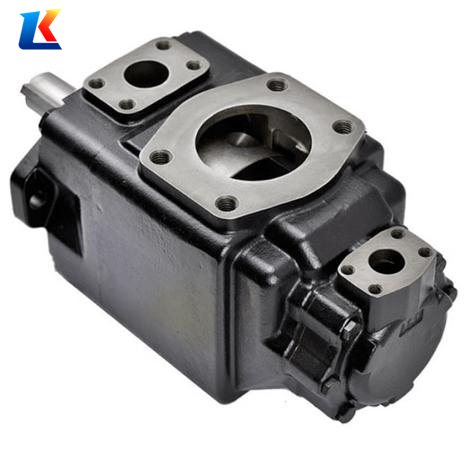
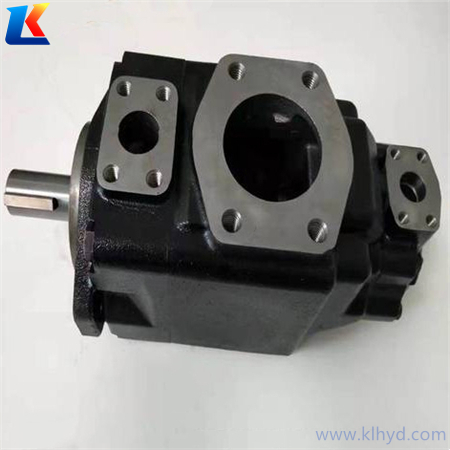
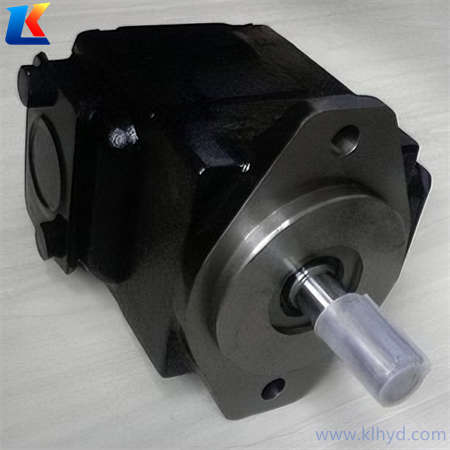
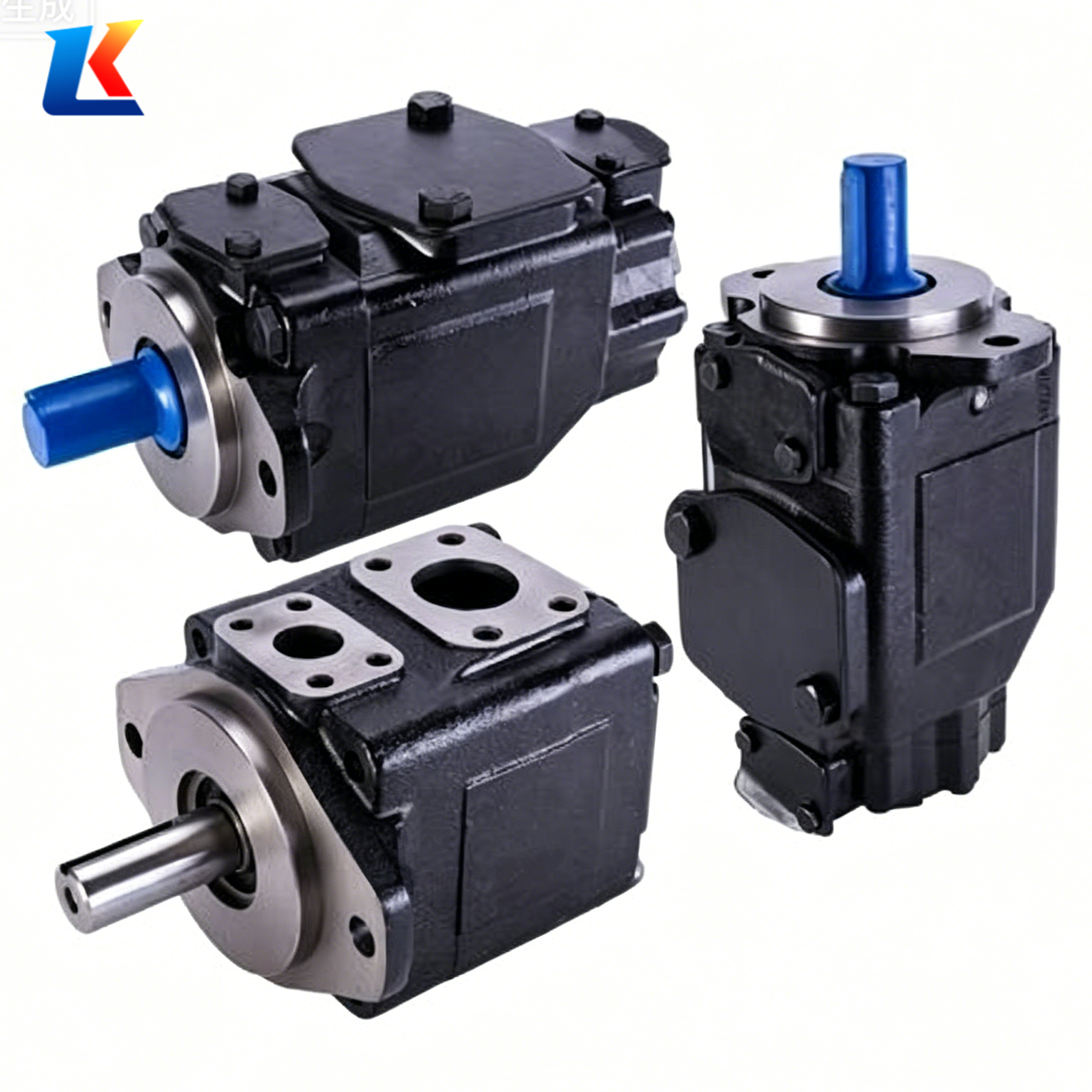
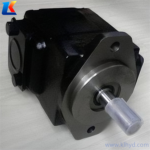
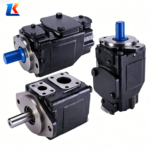


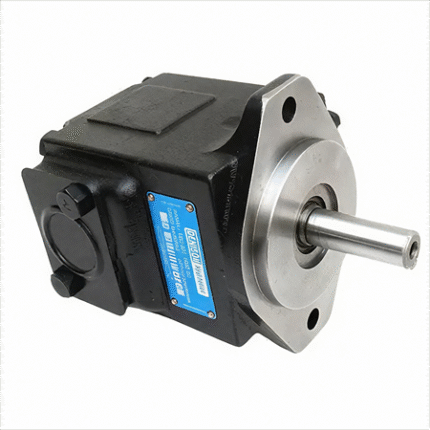
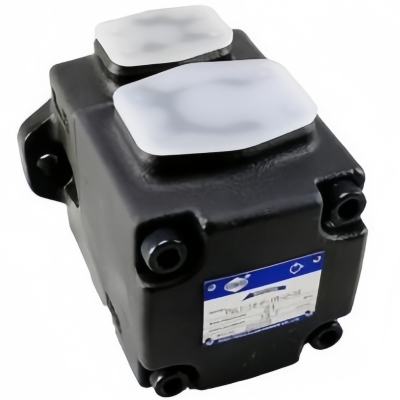
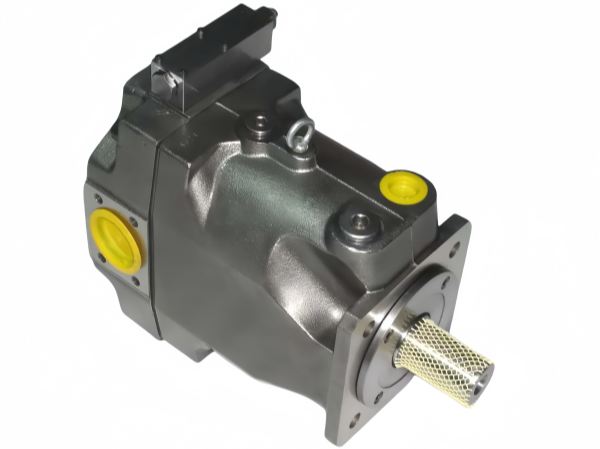
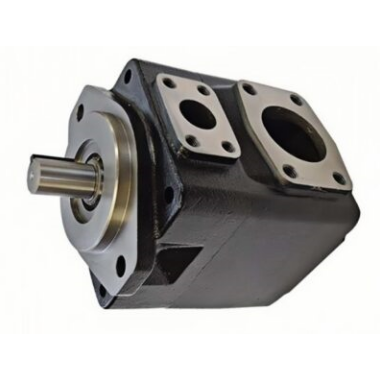
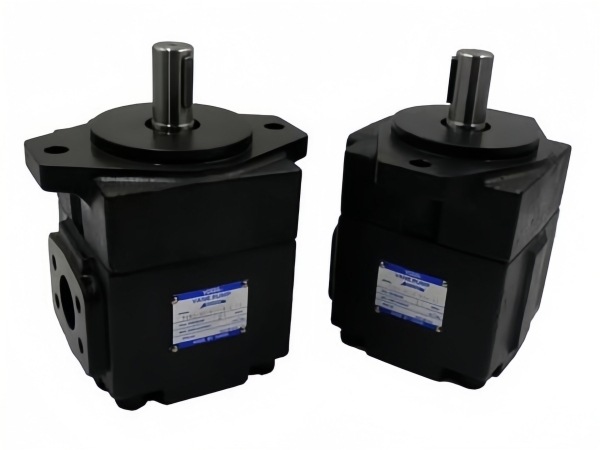
T6CC Parker Denison Double Vane Pump
Single pump:T6C、T6D、T6E、T6CM、T6CP、T7B、T7BS、T7D、T7DS、T7E、T7ES
Double pump:T6CC、T6DC、T6EC、T6ED、T6EE、T7BB、T7BBS、T7DB、T7DBS、T7EB、T7EBS、T67CB、T67DB、T67EB、T67DBS
Triple pump:T6DCC、T6EDC、T6ECC、T6EDCC、T7DBB、T7DBSB、T7EBB、T7EBSB、T67EDB、T67EDBS、T67DCB、T67DDBS
| Contact us |
| Whats app: +86 13728707767 |
| E-mail: hyd-sales2009@outlook.com |
Description
Parker Denison T6CC Series Double Vane Pump Specifications and Model Manual
1. Product Overview
The T6CC series is a high-pressure fixed double balanced vane pump of Parker Denison T6 industrial-grade series. Featuring dual independent C-cartridge combination, shared drive shaft and dual independent oil supply circuits, it perfectly matches high-low pressure composite hydraulic systems. With outstanding pressure resistance, ultra-low pulsation, high volumetric efficiency and strong anti-pollution performance, the T6CC pump is widely adopted in injection molding machines, die-casting equipment, hydraulic presses, metallurgical machinery and heavy-duty industrial hydraulic systems.
Compared with conventional vane pumps, the T6CC series adopts an optimized integral pressure balance structure, effectively reducing internal wear and pressure impact. It supports long-term stable high-pressure operation and flexible dual-pump flow combination, making it a preferred energy-saving and high-reliability power source for medium and heavy industrial hydraulic equipment.
2. General Technical Specifications
|
Parameter Item
|
Technical Index
|
Remarks
|
|
Pump Type
|
Fixed Double Balanced Vane Pump
|
Dual C-series cartridges, synchronous independent oil supply
|
|
Max. Continuous Working Pressure
|
240bar
|
Rated long-term operating pressure
|
|
Max. Intermittent Impact Pressure
|
275bar
|
Short-term instantaneous pressure resistance
|
|
Rated Speed Range
|
600~2200rpm
|
Optimal speed: 1500~2000rpm for industrial applications
|
|
Minimum Stable Speed
|
600rpm
|
No cavitation and stable oil supply
|
|
Single Pump Displacement Range
|
10.1~88.8ml/rev
|
Front and rear cartridges can be freely combined
|
|
Max. Total Dual Pump Displacement
|
122.9ml/rev
|
Combination of 88.8+34.1ml/rev cartridges
|
|
Volumetric Efficiency
|
≥94%
|
Standard industrial working condition test value
|
|
Operating Temperature Range
|
-20℃~+80℃
|
Suitable for mineral oil, biodegradable hydraulic oil
|
|
Filtration Requirement
|
NAS 8 Grade (≥10μm)
|
Ensure long service life of cartridges
|
|
Standard Shaft Specification
|
SAE A Keyway Shaft (φ25.4mm/1″)
|
Optional spline shaft for customization
|
|
Pump Weight
|
Approx. 30kg
|
Varies with different displacement combinations
|
3. Displacement Specification Chart (C-Cartridge Parameters)
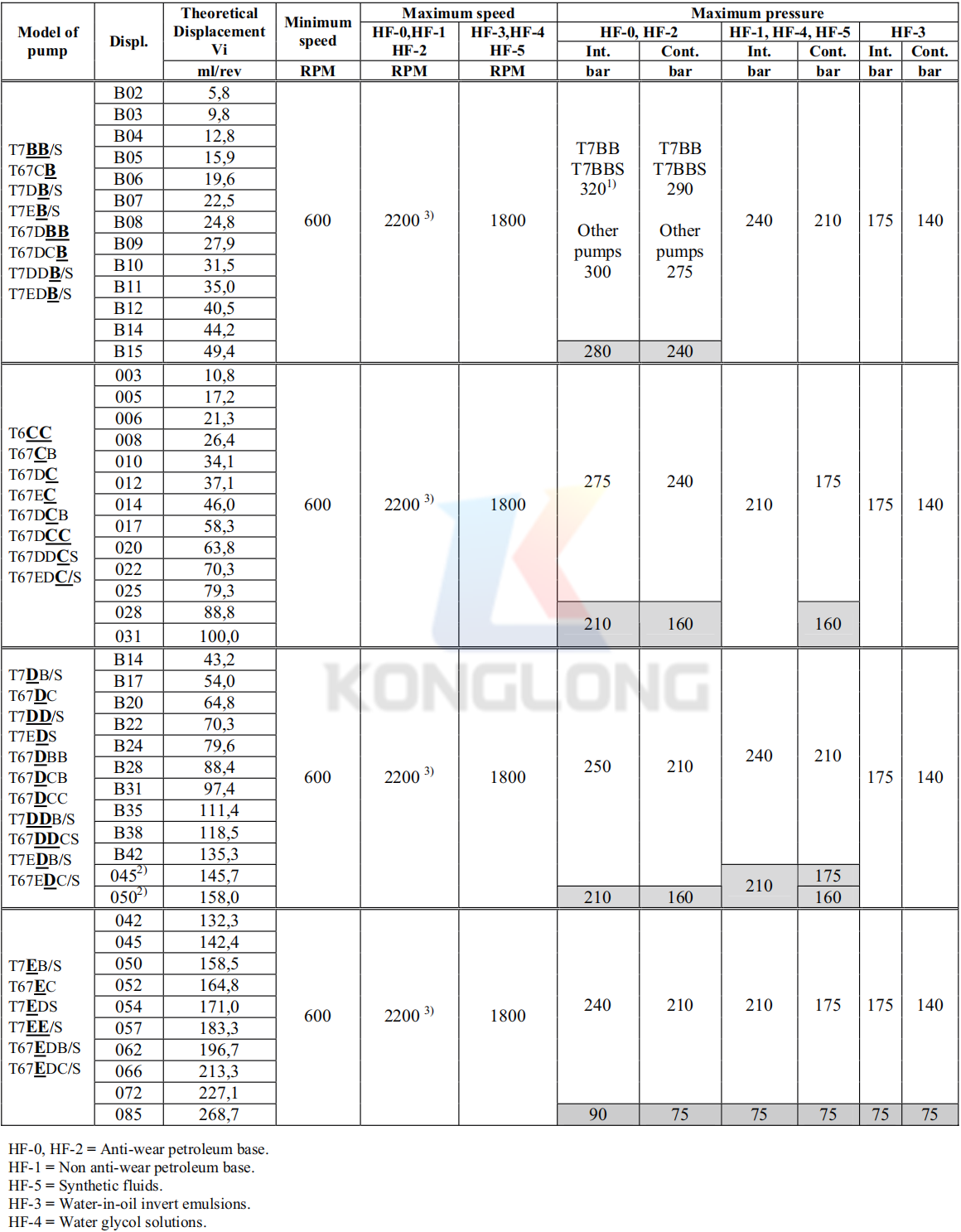
The T6CC series adopts exclusive C-series standard displacement codes. All front and rear pump displacements support arbitrary combination, covering multiple flow matching requirements for high-low pressure composite systems.
|
Displacement Code
|
Actual Displacement (ml/rev)
|
Displacement Code
|
Actual Displacement (ml/rev)
|
|
003
|
10.1
|
014
|
47.2
|
|
005
|
16.8
|
020
|
67.0
|
|
008
|
27.1
|
022
|
73.5
|
|
010
|
34.1
|
025
|
80.2
|
|
012
|
40.5
|
028
|
88.8
|
|
031
|
95.3
|
–
|
–
|
4. Complete Model Coding Rules
General Model Format:T6CC-P1 Displacement-P2 Displacement-Shaft Type-Rotation Direction-Basic Configuration-Housing & Seal Variant. Take the standard model T6CC-028-010-1R00-C1W0 as an example for segmented interpretation:
|
Code Position
|
Code Content
|
Detailed Definition
|
|
1
|
T6CC
|
Series Code: T6=T6 industrial high-pressure series; CC=Dual C-cartridge double vane pump
|
|
2
|
003~031
|
P1 shaft-end main pump displacement code
|
|
3
|
003~031
|
P2 cover-end auxiliary pump displacement code
|
|
4
|
1/2
|
Shaft Type: 1=SAE A keyway shaft; 2=Custom reinforced shaft
|
|
5
|
R/L
|
Rotation Direction: R=Clockwise (shaft end view); L=Counterclockwise
|
|
6
|
00/01/02
|
Basic port configuration: 00=standard port layout
|
|
7
|
C1
|
Housing & Seal: C1=standard housing, NBR seal for general conditions
|
|
8
|
W0/100/110
|
Variant code: W0=industrial standard configuration; 100/110=conventional general version
|
5. Summary of Standard Common Models
T6CC series features flexible dual-pump displacement combinations, widely used in energy-saving high-low pressure composite hydraulic systems for injection molding, die-casting and hydraulic press equipment. Mainstream standard models are listed below:
-
T6CC-006-003-2R00-C100: Small flow combination (20.1+10.1ml/rev), suitable for precision auxiliary hydraulic systems
-
T6CC-020-008-1R00-C100: Medium-small flow matching (67.0+27.1ml/rev), universal for small and medium injection molding machines
-
T6CC-022-008-1R00-C100: Optimized flow combination (73.5+27.1ml/rev), stable supply for die-casting auxiliary circuits
-
T6CC-025-005-1R00-C100: High-low pressure matching (80.2+16.8ml/rev), energy-saving system for hydraulic presses
-
T6CC-028-005-1R00-C100: Large flow main pump + small flow auxiliary pump (88.8+16.8ml/rev), mainstream for medium-sized hydraulic equipment
-
T6CC-028-010-1R00-C1W0: Classic universal model (88.8+34.1ml/rev), full-range adaptation for heavy-duty industrial hydraulic systems
-
T6CC-031-010-1R00-C100: Maximum flow combination (95.3+34.1ml/rev), suitable for large-tonnage hydraulic press equipment
6. Core Product Advantages
-
Excellent High-pressure Resistance: Supports 240bar long-term continuous operation and 275bar instantaneous impact pressure, fully adapting to heavy-duty working conditions of injection molding, die-casting and hydraulic machinery, with strong load resistance.
-
High Efficiency & Energy Saving: Adopts full pressure balance vane structure with volumetric efficiency up to 94%. The dual-pump independent oil supply design realizes high-pressure low-flow and low-pressure high-flow composite operation, effectively reducing system energy consumption.
-
Low Noise & Low Pulsation: Optimized vane meshing and flow channel structure minimizes pressure pulsation and operating noise, meeting the low-noise operation requirements of precision industrial equipment.
-
Strong Anti-pollution Ability: The optimized clearance design of the double-lip vane structure reduces sensitivity to hydraulic oil pollution, effectively avoiding cartridge jamming and wear failures, and improving operational stability in harsh industrial environments.
-
Flexible Flow Matching: Multiple displacement combinations cover small, medium and large flow ranges, supporting arbitrary matching of main and auxiliary pumps to meet the flow and pressure requirements of different composite hydraulic circuits.
-
Easy Maintenance & High Universality: Adopts plug-in independent cartridge design, allowing single cartridge replacement without overall pump disassembly. Standard SAE interface and shaft type ensure strong interchangeability and convenient after-sales maintenance.
7. Core Selection Guidelines
-
Confirm the flow combination according to system working conditions: select large-displacement main pump + small-displacement auxiliary pump for high-low pressure energy-saving systems to optimize energy efficiency.
-
Strictly control the working pressure: keep long-term operating pressure within 240bar and instantaneous impact pressure not exceeding 275bar to extend pump service life.
-
Verify shaft type and rotation direction: standard SAE A keyway shaft is conventional; confirm clockwise/counterclockwise rotation to match the drive motor.
-
Match hydraulic medium and temperature: standard NBR seals adapt to conventional mineral oil at -20℃~+80℃; select special seals for biodegradable oil or high-temperature working conditions.
-
Comply with filtration standards: equip with filtering devices meeting NAS 8 grade (≥10μm) to prevent cartridge abrasion and ensure long-term stable operation.
-
Prioritize standard models for cost-effectiveness and better part interchangeability, avoiding non-standard customized combinations unnecessarily.
About brand

Shipping & Delivery