Sale
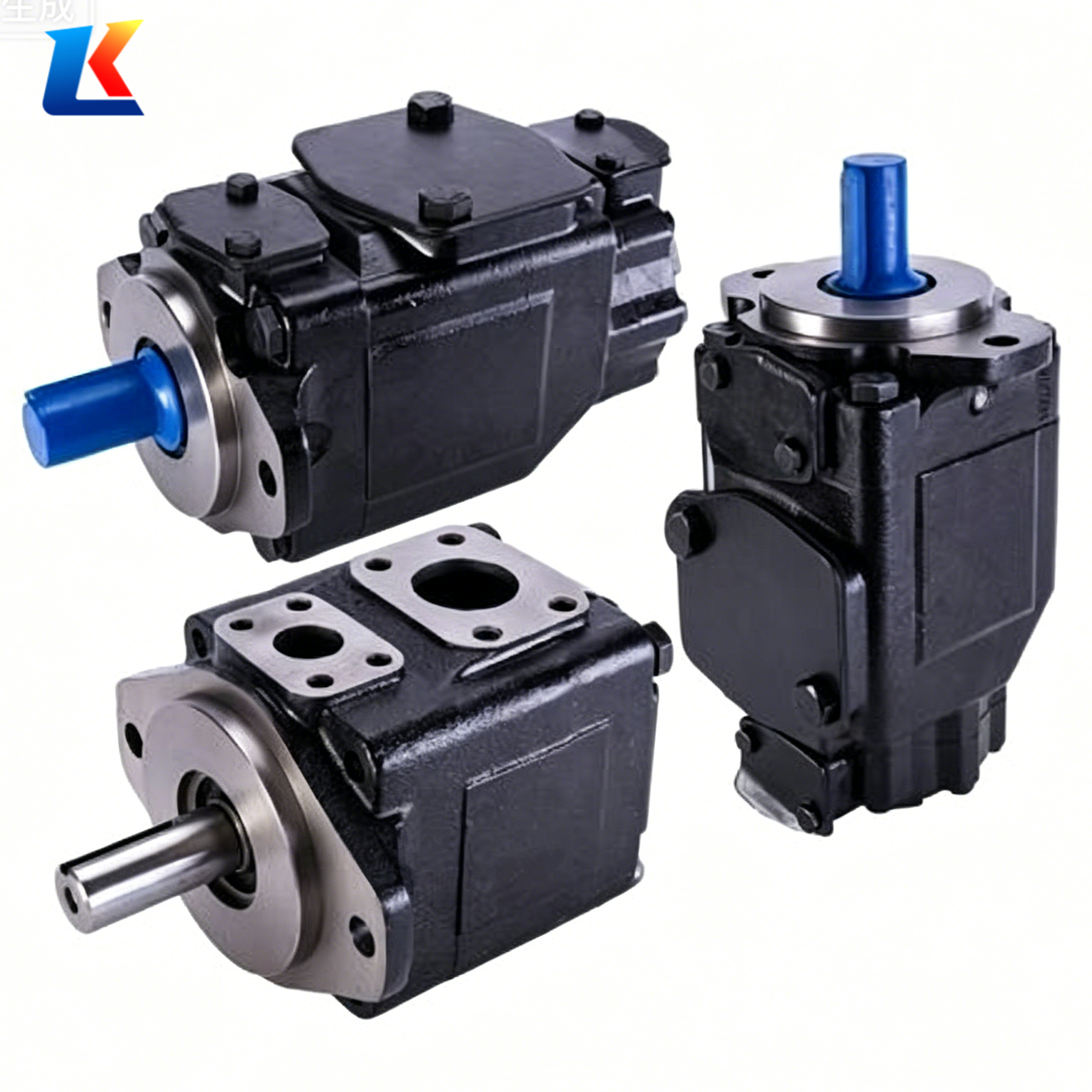
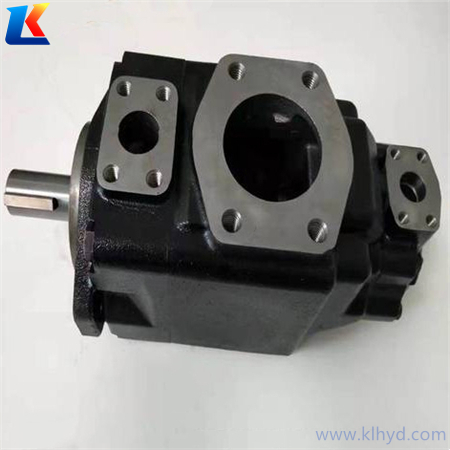
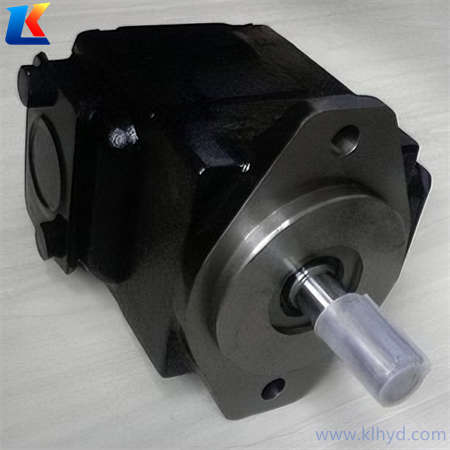
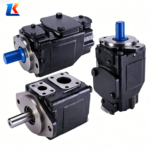
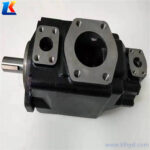
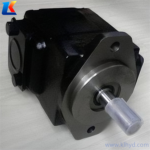


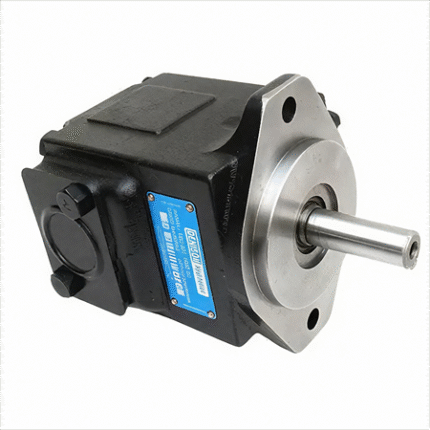
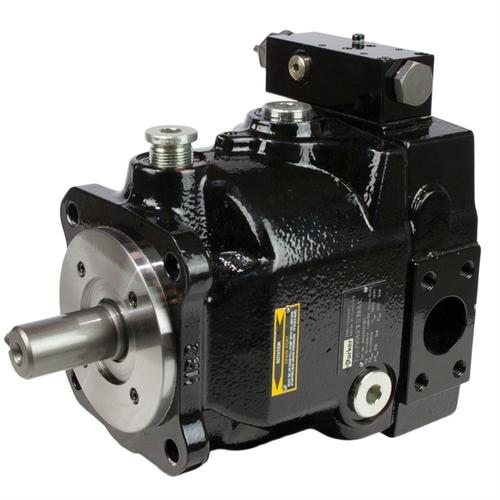
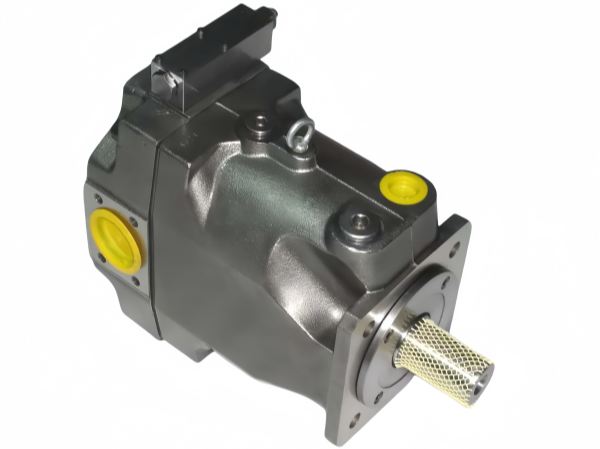
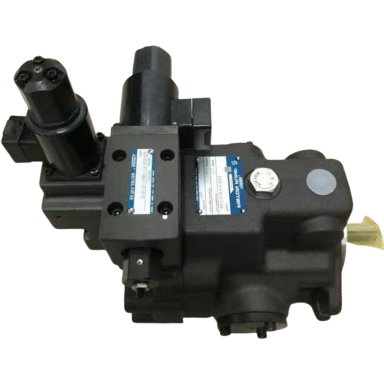
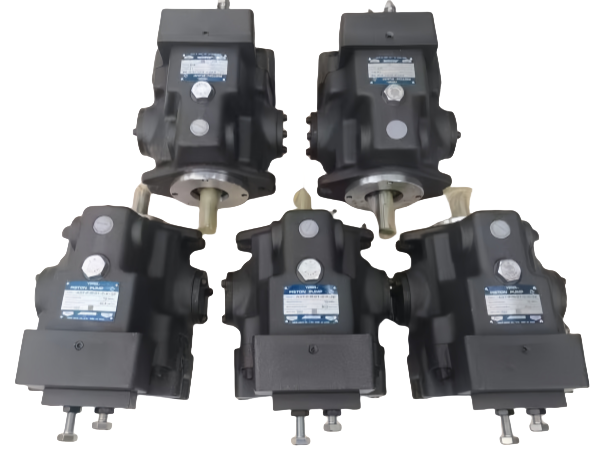
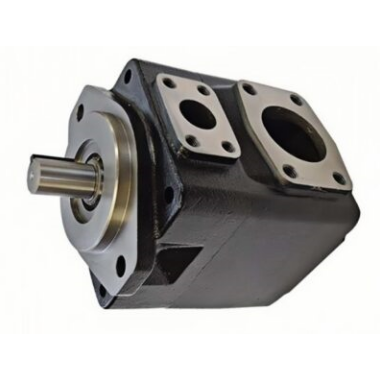
T6CM series Parker Denison Vane Pump
Single pump:T6C、T6D、T6E、T6CM、T6CP、T7B、T7BS、T7D、T7DS、T7E、T7ES
Double pump:T6CC、T6DC、T6EC、T6ED、T6EE、T7BB、T7BBS、T7DB、T7DBS、T7EB、T7EBS、T67CB、T67DB、T67EB、T67DBS
Triple pump:T6DCC、T6EDC、T6ECC、T6EDCC、T7DBB、T7DBSB、T7EBB、T7EBSB、T67EDB、T67EDBS、T67DCB、T67DDBS
| Contact us |
| Whats app: +86 13728707767 |
| E-mail: hyd-sales2009@outlook.com |
Description
Parker Denison T6CM Series Vane Pump Specifications and Related Models
The T6CM series is a low-pressure heavy-duty single vane pump manufactured by Denison (Parker). Built with the classic three-spring vane technology, it is suitable for low-pressure and high-viscosity fluid working conditions. Featuring low operating noise, stable volumetric efficiency, strong pollution resistance and long service life, it is widely applied in low-pressure hydraulic systems such as light industry machinery, machine tools and general hydraulic equipment, and supports long-term stable operation for various conventional industrial hydraulic drive scenarios.
1. Core Product Features
-
Core Technology: Adopts Denison three-spring vane structure, adapting to extremely low system pressure conditions and high-viscosity hydraulic fluids. It delivers excellent low-pressure start performance without stalling or pressure fluctuation issues.
-
Stability & Durability: The full pressure balance structure effectively reduces pump wear and ensures long-term stable performance under all working conditions. The double-lip vane design lowers sensitivity to fluid contamination, making it adaptable to complex industrial environments.
-
Low Noise & Energy Saving: The entire series operates with low and stable noise without abnormal howling, meeting the requirements of quiet production scenarios.
-
Wide Compatibility: Compatible with various hydraulic media, including mineral oil, HF-3/HF-4/HF-5 fire-resistant hydraulic oil, ester-based and rapeseed oil-based hydraulic fluids to meet diverse equipment medium requirements.
-
Standardized Installation: Complies with SAE and ISO universal installation standards. Standardized flanges, shaft ends and port specifications enable convenient equipment adaptation, disassembly and maintenance.
2. General Basic Specifications
All parameters are tested under standard conditions (viscosity: 24cSt, mineral oil, ambient temperature). Parameters for different media and rotating speeds shall be converted with corresponding coefficients.
|
Parameter Item
|
Technical Specification
|
|
Pump Type
|
Low-pressure Single Vane Pump
|
|
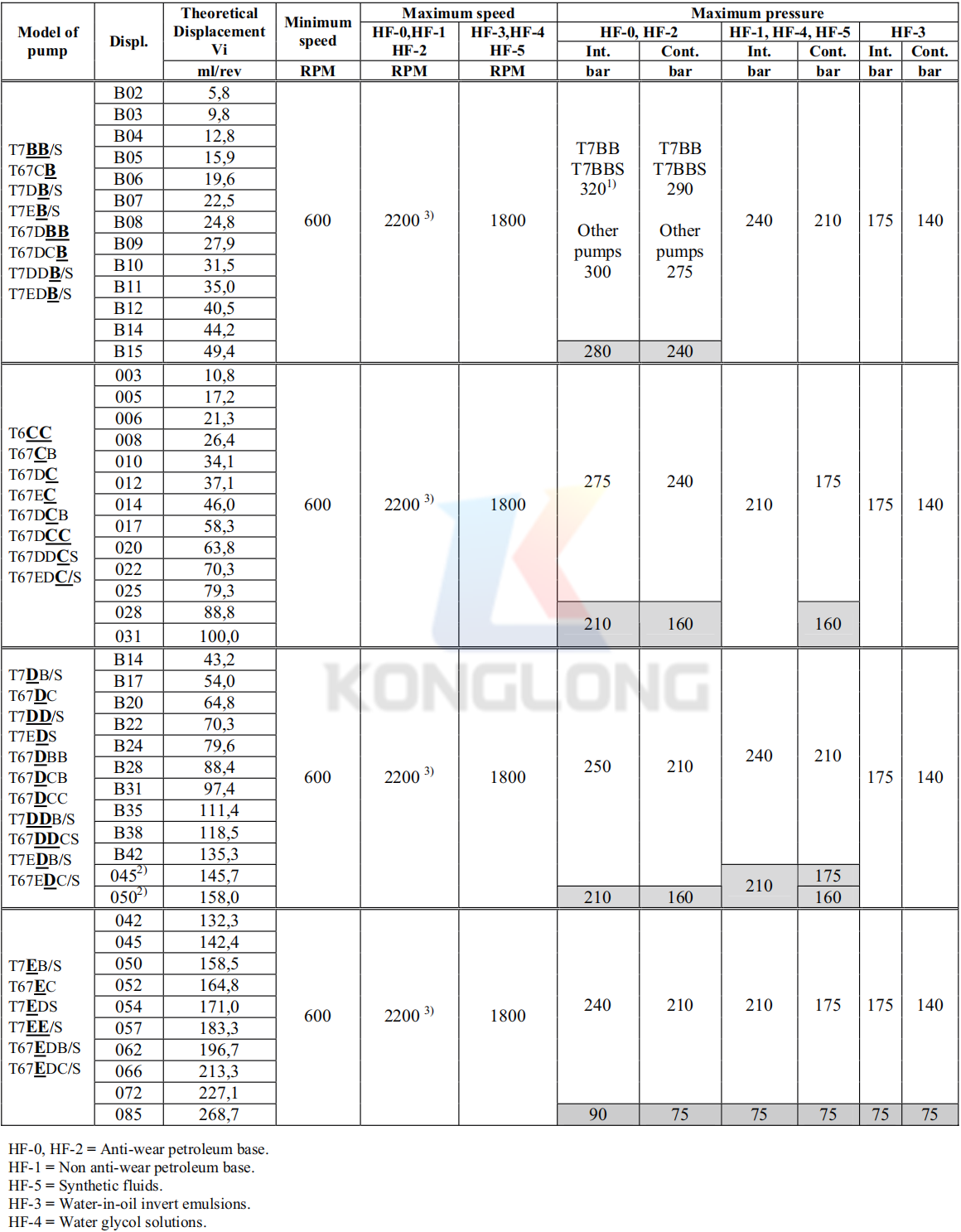
Theoretical Displacement Range
|
10.8~100.0 cm³/rev
|
|
Maximum Working Pressure
|
Small displacement (R03-R28): 140bar; Large displacement (R31): 90bar
|
|
Maximum Rotating Speed
|
2200rpm
|
|
Minimum Inlet Absolute Pressure
|
0.80~0.98bar (slight differences for different displacement specifications)
|
|
Installation Standard
|
SAE J744c, ISO 3019-1 (SAE B Flange)
|
|
Shaft End Standard
|
SAE B Key Shaft, Non-standard Key Shaft, SAE B/BB Spline Shaft (Optional)
|
|
Maximum Allowable Axial Load
|
800N
|
|
Compatible Media
|
Mineral oil, HF-3/HF-4/HF-5 fire-resistant hydraulic oil, ester-based & rapeseed oil-based hydraulic oil
|
|
Standard Operating Noise
|
60~75dB(A) at 1500rpm and rated pressure
|
3. Full Series Displacement & Operating Parameters (1500rpm Standard Speed)
|
Displacement Model
|
Theoretical Displacement (cm³/rev)
|
Output Flow @0bar (L/min)
|
Output Flow @50bar (L/min)
|
Output Flow @140bar (L/min)
|
Input Power @140bar (kW)
|
|
R03
|
10.8
|
16.2
|
10.2
|
1.3
|
2.7
|
|
R05
|
17.2
|
25.8
|
19.8
|
–
|
3.0
|
|
R06
|
21.3
|
31.9
|
25.9
|
–
|
4.0
|
|
R08
|
26.4
|
39.6
|
33.6
|
22.8
|
11.0
|
|
R10
|
34.1
|
51.1
|
45.1
|
28.3
|
13.7
|
|
R12
|
37.1
|
55.6
|
49.6
|
32.8
|
14.7
|
|
R14
|
46.0
|
69.0
|
63.0
|
52.2
|
17.9
|
|
R17
|
58.3
|
87.4
|
81.5
|
70.7
|
22.2
|
|
R20
|
63.8
|
95.7
|
89.7
|
78.9
|
24.1
|
|
R22
|
70.3
|
105.4
|
99.5
|
88.7
|
26.1
|
|
R25
|
79.3
|
118.9
|
113.0
|
102.2
|
29.6
|
|
R28
|
88.8
|
133.2
|
127.2
|
116.4
|
32.9
|
|
R31
|
100.0
|
150.0
|
144.0
|
139.2
|
13.8
|
Note: R03-R06 models have a volumetric efficiency lower than 50% under 140bar high-pressure conditions and are prohibited from long-term high-pressure operation; the maximum working pressure of R31 model is limited to 90bar.
4. Model Coding Rule (Full Interpretation)
Standard Model Format: T6CM(Y)-RXX-X(R/L)-XX-X-XX. The meaning of each code segment is as follows:
|
Code Segment
|
Code Definition
|
Optional Parameter Description
|
|
T6CM
|
Basic Series
|
Standard low-pressure single vane pump series of Denison
|
|
Y (Suffix)
|
Port Flange Type
|
No Y: Standard imperial flange; Y: Metric thread flange
|
|
RXX
|
Displacement Specification
|
R03/R05/R06/R08/R10/R12/R14/R17/R20/R22/R25/R28/R31 (corresponding to the full displacement series above)
|
|
First Digit
|
Shaft End Type
|
1: SAE B standard key shaft; 2: Non-standard key shaft; 3: SAE B 13-tooth spline shaft; 4: SAE BB 15-tooth spline shaft
|
|
R/L
|
Rotation Direction (viewed from shaft end)
|
R: Clockwise; L: Counterclockwise
|
|
Middle Two Digits
|
Port Combination Mode
|
00: Standard port layout; Others: Custom layout
|
|
Seal Grade
|
Media-adaptive Seal
|
1: S1 (for mineral oil); 4: S4 (for special media); 5: S5 (universal for mineral oil & fire-resistant hydraulic oil)
|
5. Mainstream Common Models List
The following models are widely circulated and highly adaptable in the market for common industrial working conditions:
-
T6CM-R03-1R00-C1: Small displacement basic model, 10.8cm³/rev, suitable for micro low-pressure hydraulic systems
-
T6CM-R10-1R00-C1: Universal medium-small flow model, 34.1cm³/rev, commonly used for machine tool auxiliary hydraulic systems
-
T6CM-R17-1R00-C1: Mainstream medium flow model, 58.3cm³/rev, standard configuration for light industry equipment
-
T6CM-R22-1R00-C1: Best-selling large flow model, 70.3cm³/rev, highly versatile for most low-pressure heavy-duty scenarios
-
T6CM-R28-1R00-C1: Super large flow model, 88.8cm³/rev, dedicated for large-scale low-pressure hydraulic equipment
-
T6CM-R31-1R00-C1: Maximum displacement model, 100.0cm³/rev, only applicable for working conditions below 90bar
-
T6CMY-R22-1L00-C5: Custom model with metric flange, counterclockwise rotation and universal seal, suitable for imported equipment renovation
6. Operation Precautions
-
Over-pressure and over-speed operation are strictly prohibited. The working pressure of R31 model shall not exceed 90bar, and small-displacement models are forbidden for long-term high-pressure operation.
-
The inlet negative pressure difference shall not exceed 0.2bar to avoid pump suction void and cavitation damage.
-
Corresponding pressure coefficient conversion is required for different hydraulic media to ensure compliant operating parameters.
-
No-load high-pressure idling of the pump is limited to less than 5 seconds to prevent excessive internal leakage and component damage.
-
A high-precision filtration system shall be equipped to reduce wear on vanes and pump body caused by medium impurities.
About brand

Shipping & Delivery