Sale
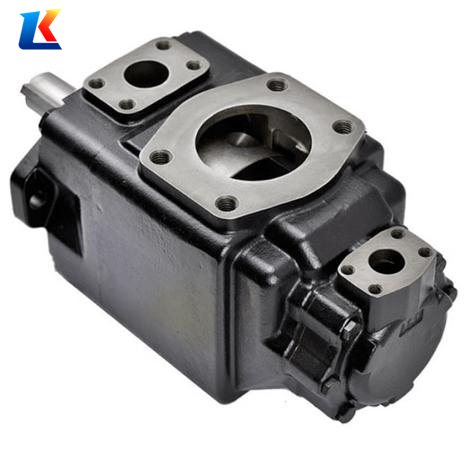
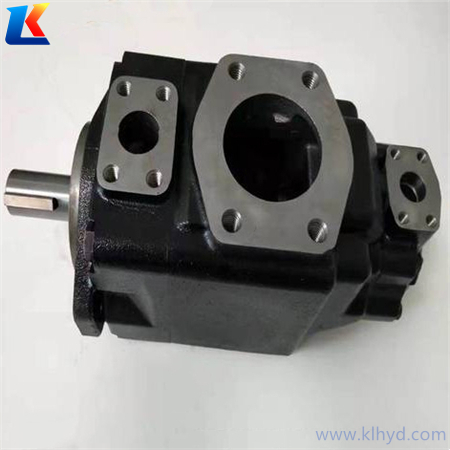
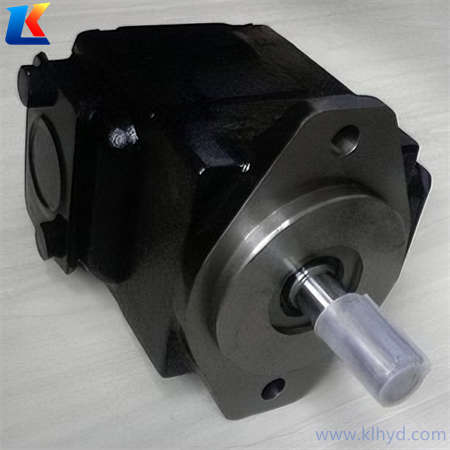
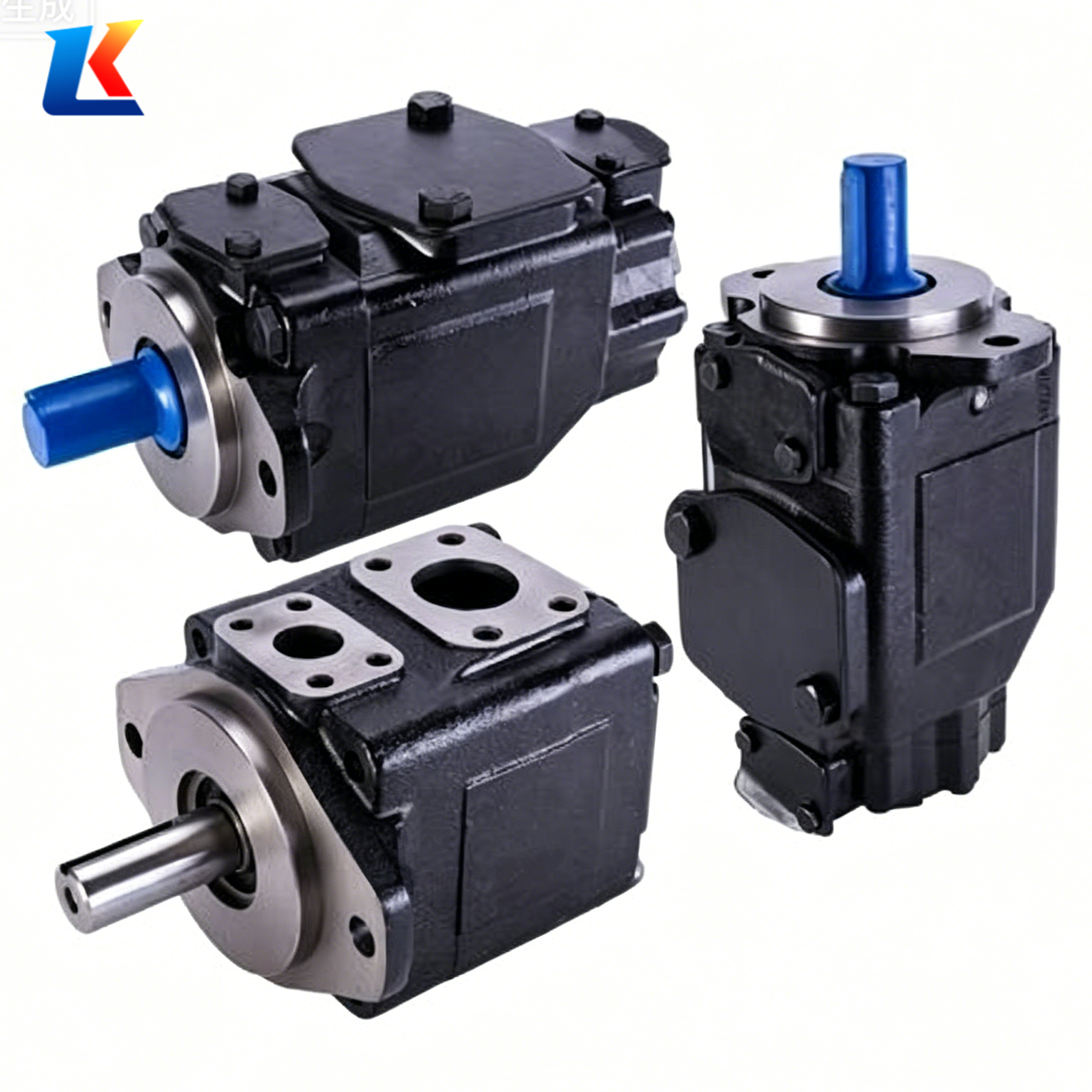
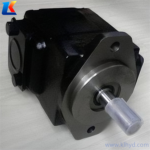
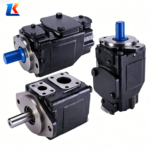


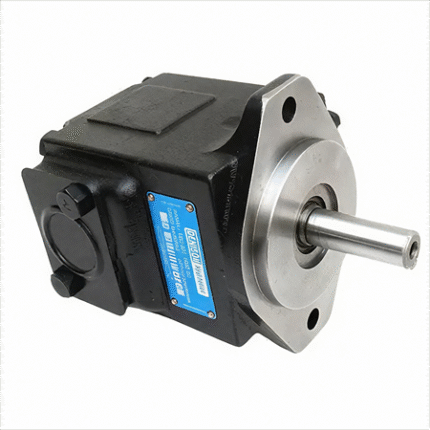
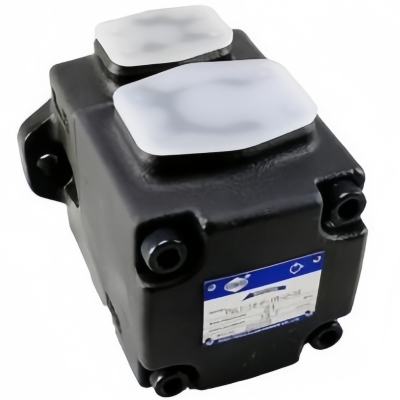
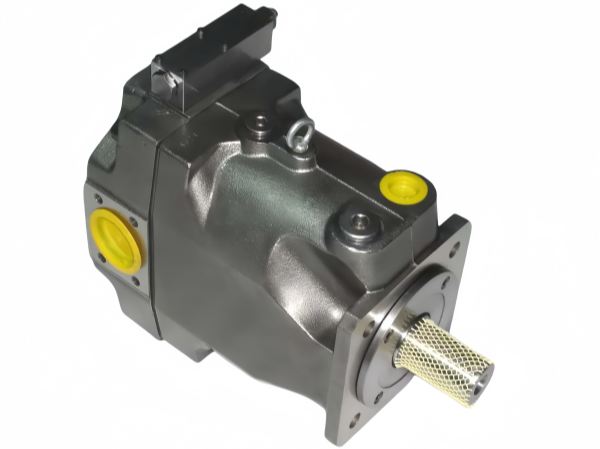
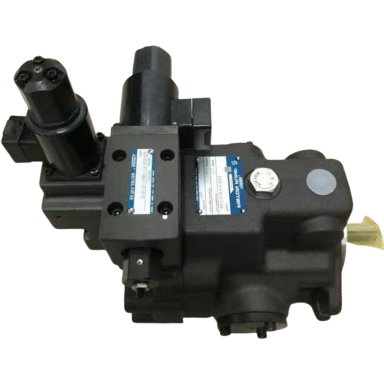
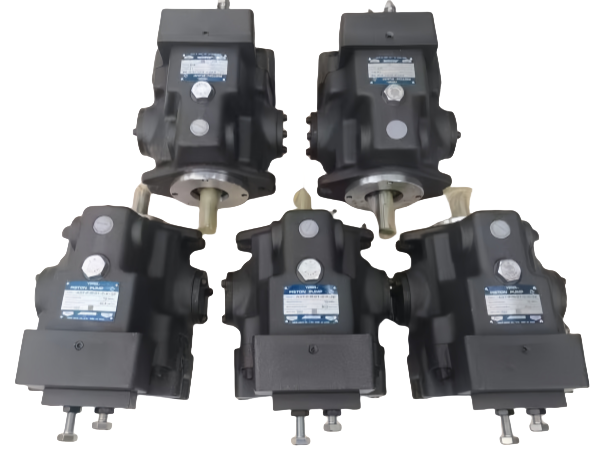
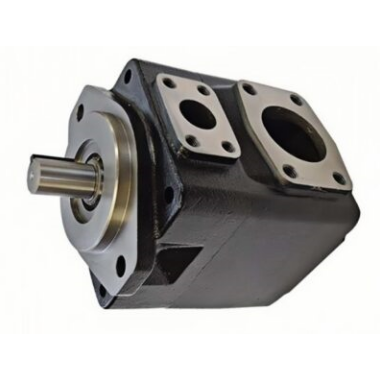
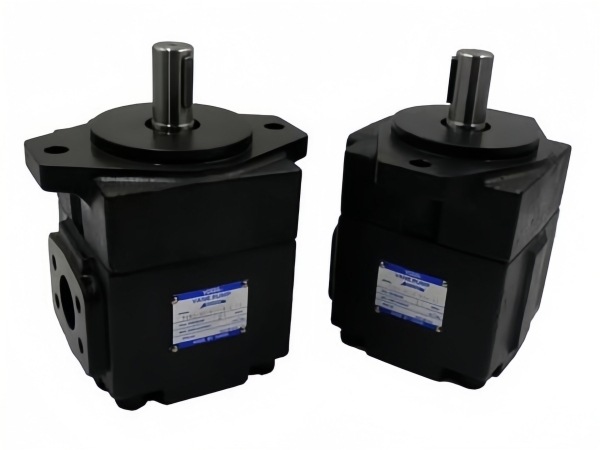
T7DB/T7DBS Parker Denison Double Vane Pump
Single pump:T6C、T6D、T6E、T6CM、T6CP、T7B、T7BS、T7D、T7DS、T7E、T7ES
Double pump:T6CC、T6DC、T6EC、T6ED、T6EE、T7BB、T7BBS、T7DB、T7DBS、T7EB、T7EBS、T67CB、T67DB、T67EB、T67DBS
Triple pump:T6DCC、T6EDC、T6ECC、T6EDCC、T7DBB、T7DBSB、T7EBB、T7EBSB、T67EDB、T67EDBS、T67DCB、T67DDBS
| Contact us |
| Whats app: +86 13728707767 |
| E-mail: hyd-sales2009@outlook.com |
Description
1. Product Overview
The T7DB/T7DBS are medium and large displacement double fixed vane pumps from the Parker Denison T7 series. Adopting the mature Denison double-lip vane technology and a coaxial integrated double-cartridge structure, they can independently output hydraulic oil with different pressures and flows for two circuits, suitable for multi-circuit medium and high-pressure hydraulic systems. Both models feature consistent core performance and differ only in mounting flange standards. With pollution resistance, low pulsation, high efficiency and easy maintenance, they are widely applied in hydraulic equipment for industrial machine tools, injection molding, heavy industry, agriculture and marine industries.
Core Difference: T7DB adopts the ISO 3019-2 standard 4-bolt mounting flange; T7DBS adopts the SAE J744 standard Type C 2-bolt mounting flange, adapting to different equipment installation conditions.
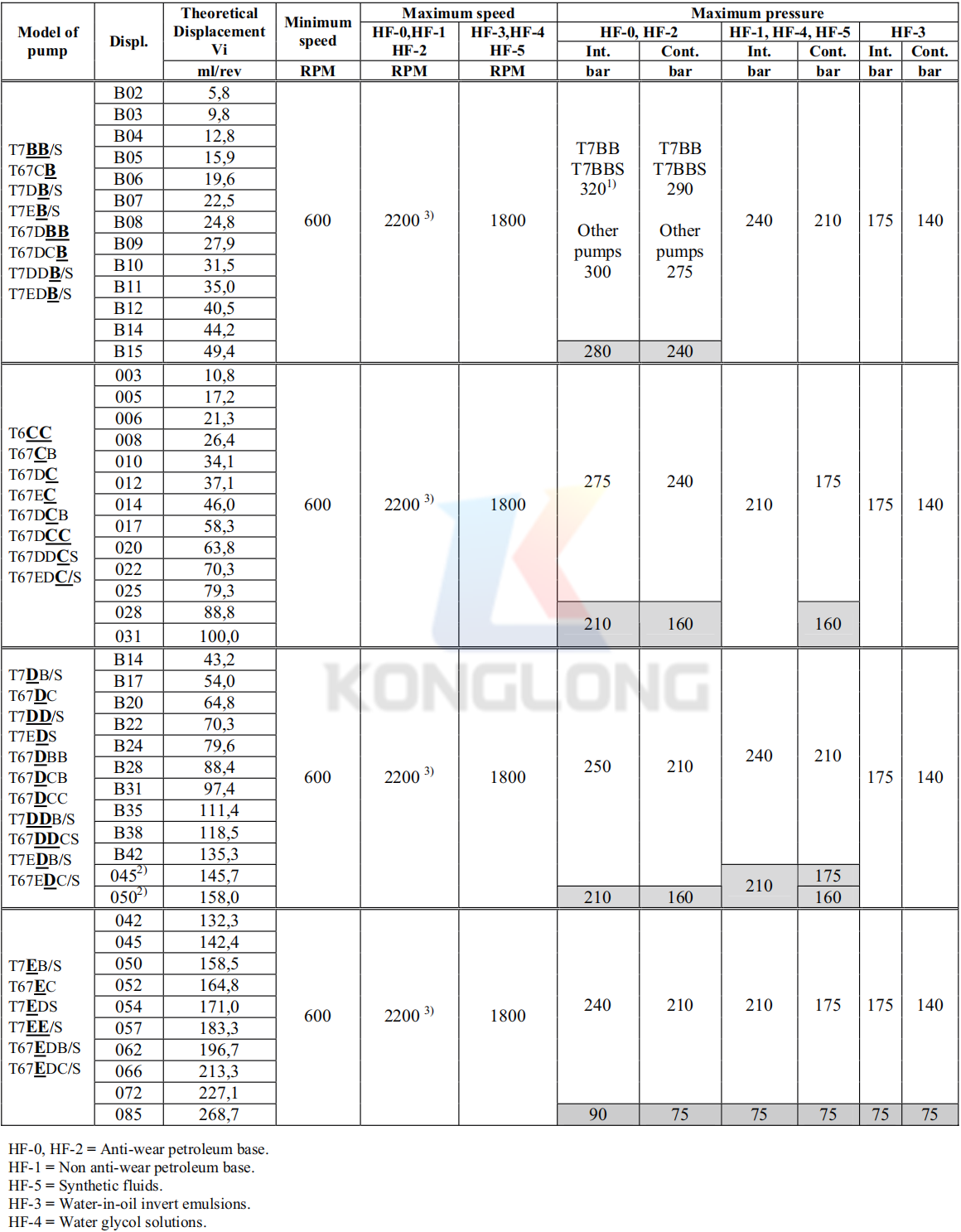
2. General Core Technical Parameters
|
Parameter Item
|
Technical Value
|
Remarks
|
|
Pump Type
|
Double Fixed Vane Pump
|
Dual independent D-series cartridges, coaxial drive
|
|
Single Cartridge Displacement Range
|
5.8~158.0 ml/rev
|
Standard B02-B42, including special B46/B50 specifications
|
|
Max. Total Double Pump Displacement
|
316.0 ml/rev
|
B42+B42 combination
|
|
Max. Intermittent Pressure
|
240 bar
|
Short-term peak working pressure
|
|
Max. Continuous Pressure
|
210 bar
|
Recommended pressure for long-term stable operation
|
|
Normal Speed Range
|
600~3000rpm (small displacement); 600~2200rpm (large displacement B38/B42)
|
Larger displacement corresponds to lower limit speed
|
|
Minimum Stable Speed
|
400 rpm
|
Ensure vane lubrication and stable output
|
|
Volumetric Efficiency
|
93%~94%
|
Typical value under standard working conditions
|
|
Operating Temperature Range
|
-20℃~+80℃
|
Compatible with mainstream hydraulic media
|
|
Applicable Media
|
Mineral oil, biodegradable oil, water-based hydraulic fluid
|
Recommended medium viscosity: 10~100cSt
|
|
Port Combination Types
|
64 types
|
Adapt to piping layout of various equipment
|
|
Equipment Weight
|
28~45kg
|
Varies with displacement and configuration
|
|
Rotation Direction
|
Standard R (Clockwise), optional L (Counterclockwise)
|
Synchronous rotation of dual cartridges
|
3. Cartridge Displacement Specification Chart (Single Cartridge)
|
Displacement Code
|
Theoretical Displacement (ml/rev)
|
Displacement Code
|
Theoretical Displacement (ml/rev)
|
|
B02
|
5.8
|
B22
|
70.0
|
|
B03
|
9.8
|
B24
|
77.5
|
|
B04
|
12.8
|
B28
|
89.5
|
|
B05
|
15.9
|
B31
|
99.2
|
|
B06
|
19.6
|
B35
|
113.4
|
|
B07
|
22.5
|
B38
|
120.6
|
|
B08
|
25.4
|
B42
|
158.0
|
|
B10
|
31.8
|
B46
|
170.0 (Special Specification)
|
|
B12
|
38.0
|
B50
|
180.0 (Special Specification)
|
|
B14
|
44.3
|
–
|
–
|
|
B17
|
54.4
|
–
|
–
|
|
B20
|
66.0
|
–
|
–
|
4. Model Coding Rules
Take the standard model T7DBS-B42-B12-1R00-A1M0 as an example, the complete code definition is as follows:
|
Code Position
|
Code Content
|
Detailed Definition
|
|
1
|
T7DB/T7DBS
|
Series Code: T7DB = ISO 4-bolt mounting; T7DBS = SAE Type C 2-bolt mounting
|
|
2
|
B42
|
Shaft end cartridge displacement code (corresponding to 158.0ml/rev)
|
|
3
|
B12
|
Cover end cartridge displacement code (corresponding to 38.0ml/rev)
|
|
4
|
1/3/5
|
Shaft type: 1=SAE C key shaft; 3=SAE CC spline shaft; 5=SAE D/E key shaft
|
|
5
|
R/L
|
Rotation direction: R=Clockwise (standard); L=Counterclockwise (custom)
|
|
6
|
00
|
Standard basic configuration without additional functions
|
|
7
|
A1
|
Port position configuration code, suitable for medium and large flow system layout
|
|
8
|
M0
|
Seal type: M0=Standard NBR nitrile rubber seal (general working conditions)
|
5. Summary of Common Typical Models
5.1 T7DB Series (ISO 4-Bolt Mounting)
T7DB-B25-B10-1R00-A1M1, T7DB-B28-B12-1R00-A1M0, T7DB-B31-B14-1R00-A1M1, T7DB-B35-B17-1R00-A1M0, T7DB-B38-B20-1R00-A1M1, T7DB-B42-B12-1R00-A1M0, T7DB-B42-B42-1R00-A1M1
5.2 T7DBS Series (SAE Type C 2-Bolt Mounting)
T7DBS-B25-B10-1R00-A1M1, T7DBS-B28-B12-1R00-A1M0, T7DBS-B31-B14-1R00-A1M1, T7DBS-B35-B17-1R00-A1M0, T7DBS-B38-B20-1R00-A1M1, T7DBS-B42-B12-1R00-A1M0, T7DBS-B42-B42-1R00-A1M1
6. Core Product Advantages
-
Dual-circuit Independent Oil Supply: Dual cartridges work independently to output two hydraulic circuits with different pressures and flows, perfectly matching multi-load hydraulic systems. It can replace two single pumps and simplify equipment structure.
-
High Pollution Resistance & Reliability: Adopts exclusive double-lip vane structure, reducing dependence on hydraulic oil cleanliness and adapting to harsh industrial working conditions. NAS7 grade or above hydraulic oil is recommended for longer service life.
-
Low Noise & Low Pulsation: Optimized cam ring and vane structure achieves pressure pulsation of only ±2bar, with operating noise 3-5dB(A) lower than ordinary pumps, ensuring higher system stability.
-
Convenient Maintenance: The plug-in independent cartridge design allows single cartridge replacement without overall pump disassembly, greatly reducing maintenance costs and downtime.
-
Strong Installation Adaptability: Equipped with 64 port combination modes and two standard mounting flanges, compatible with the layout of various industrial and mobile mechanical equipment.
7. Applicable Application Scenarios
It is mainly applicable to medium and high-pressure, medium and large-flow multi-circuit hydraulic systems, including 1000-5000 ton injection molding machines, die-casting machines, hydraulic presses, gantry machining centers and other industrial equipment. It also fits medium-sized excavators, harvesters, small port cranes, marine steering gears, hydraulic test benches and other mobile and special machinery.
About brand

Shipping & Delivery