Sale
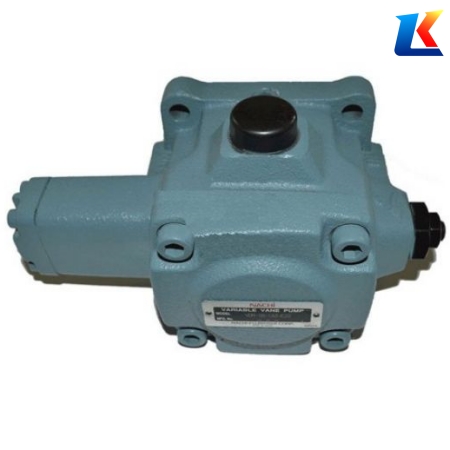
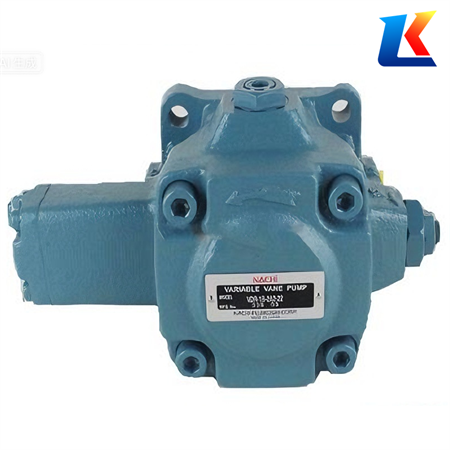
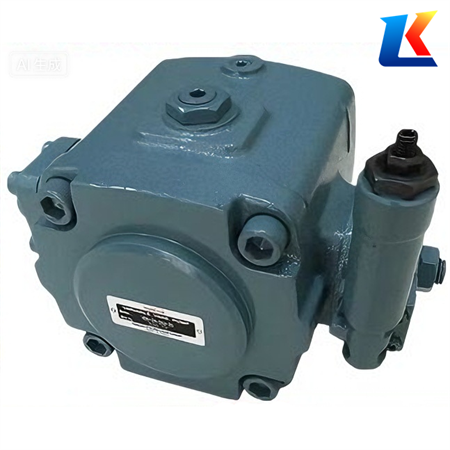
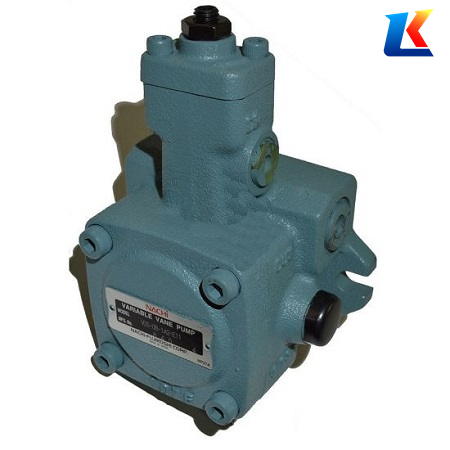
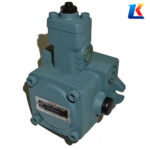

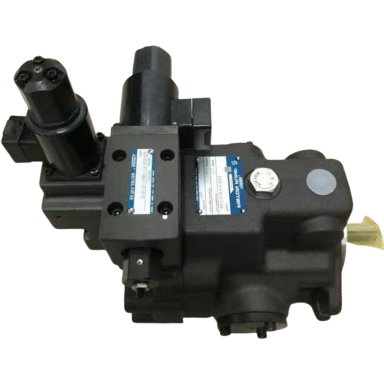
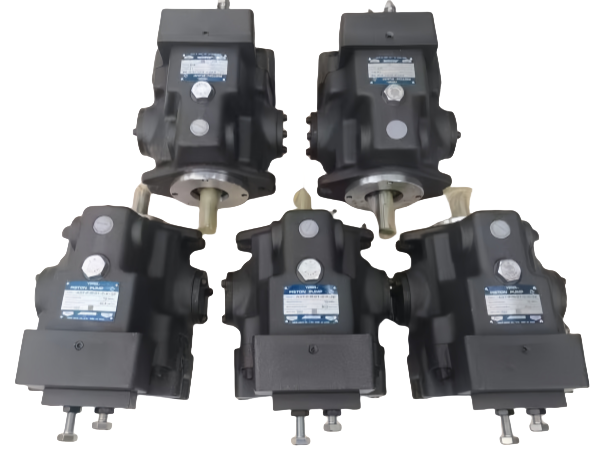
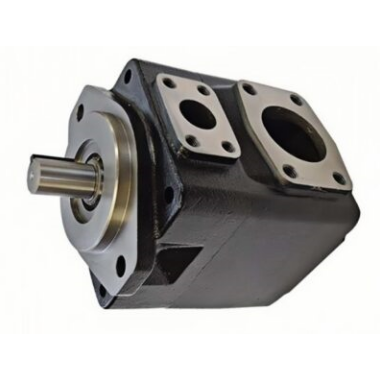
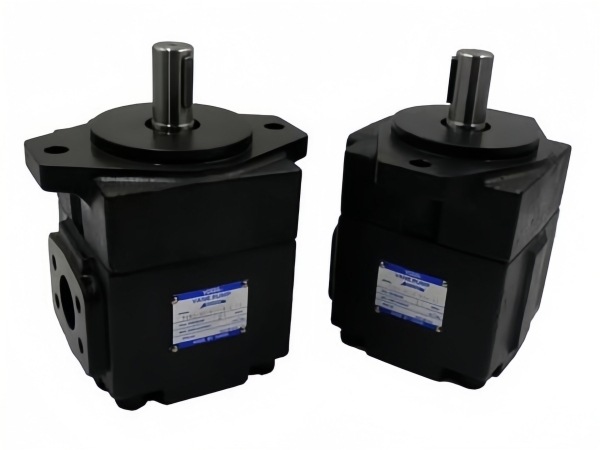
VDR-1A-1A3-13 NACHI pumps
VDR Series: VDR-1A、VDR-2A、VDR-1B、VDR-2B
Whats app: +86 13728707767
E-mail: hyd-sales2009@outlook.com
We are a professional manufacturer of hydraulic pumps, offering a complete range of products. Inquiries are welcome! (#^.^#)
Description
Parameters and Model Explanation of NACHI Hydraulic Pump VDR-1A-1A3-13
1. Model Explanation
The model VDR-1A-1A3-13 is a variable volume vane pump of the NACHI VDR series, with each segment of the model representing specific structural and performance parameters. The detailed interpretation is as follows:
-
VDR: Series identifier, indicating NACHI VDR series variable volume vane pump, which is an energy-saving and economical pump with a built-in high-precision pressure compensation structure.
-
1: Pump size, representing the basic size specification of the pump, which is consistent with the installation dimensions of the previous VDR-1 series (11/12 types) and has installation interchangeability.
-
A: Mounting method, indicating foot-type mounting; if it is “B”, it means flange-type mounting.
-
1: Ring size, representing the specification of the oil ring inside the pump, which is matched with the pump size to ensure stable operation.
-
A: Flow characteristic, indicating constant discharge type, which ensures stable output flow during operation.
-
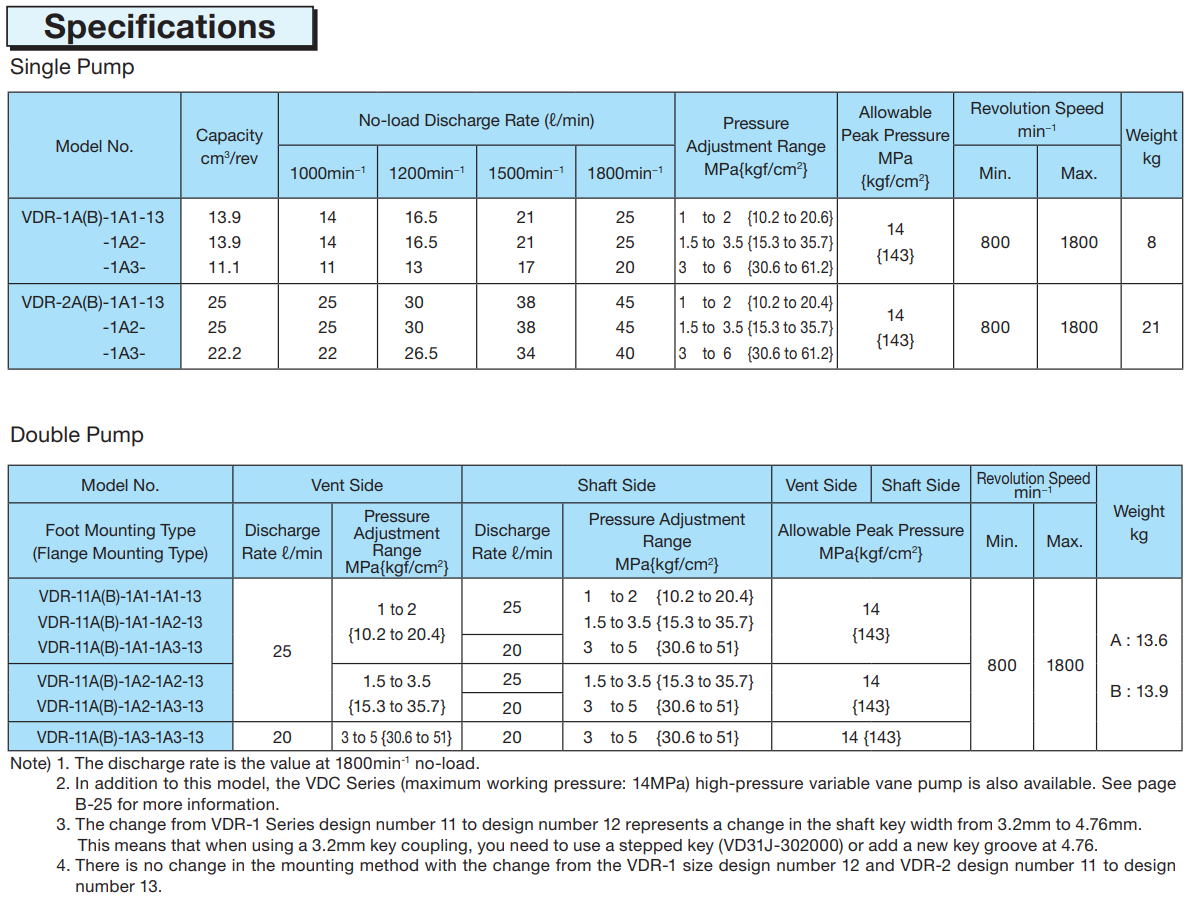
3: Pressure adjustment range, corresponding to 3~6 MPa (30.6~61.2 kgf/cm² or 435~870 psi), which is the adjustable range of the pump’s working pressure.
-
13: Design number, representing the 13th design iteration of the VDR series, improved from the old 11/12 types, with optimized noise reduction and durability performance.
2. Technical Parameters
All parameters are based on the standard configuration of the VDR-1A-1A3-13 model, with no-load test data as the reference (unless otherwise specified):
-
Pump Type: Variable volume vane pump (single pump)
-
Displacement:
-
At 1000 min⁻¹ (no-load): Approximately 16.7 L/min (4.4 US gpm)
-
At 1200 min⁻¹ (no-load): Approximately 20 L/min (5.3 US gpm)
-
At 1500 min⁻¹ (no-load): Approximately 25 L/min (6.6 US gpm)
-
At 1800 min⁻¹ (no-load): Approximately 30 L/min (7.9 US gpm)
-
-
Pressure Range:
-
Adjustment range: 3~6 MPa (30.6~61.2 kgf/cm², 435~870 psi)
-
Maximum instantaneous pressure: 14 MPa (143 kgf/cm², 2030 psi)
-
Factory set pressure: 3 MPa (30.6 kgf/cm²)
-
-
Speed Range: Minimum 800 min⁻¹, maximum 1800 min⁻¹
-
Rotation Direction: Clockwise (viewed from the shaft side)
-
Weight: Approximately 13.6 kg (30 lbs) for foot-type mounting (model A)
-
Drainage Requirement: The drain pipe must be directly connected below the oil tank liquid level, and the pipe resistance should not exceed 0.03 MPa (4.35 psi)
-
Hydraulic Oil Requirement: R&O type anti-wear hydraulic oil, ISO VG32~68 (viscosity index ≥90), operating viscosity range 20~150 mm²/s; oil temperature 15~60℃, ambient temperature 0~60℃
-
Suction Pressure: -0.03~+0.03 MPa (-0.3~+0.3 kgf/cm²), suction port flow rate ≤2 m/sec; suction filter with 100 μm (150 mesh) filtration accuracy, return line filter with 25 μm filtration accuracy
3. Key Features
The VDR-1A-1A3-13 inherits the advantages of the NACHI VDR 13 design series, with the following core features:
-
Energy-saving and economical, with minimal power loss, especially at full cutoff.
-
Built-in high-precision pressure compensation structure, the oil ring is eccentric under spring force and moves to the center automatically as pressure rises, reducing discharge to zero when necessary.
-
Eliminates the need for relief valves and unloading valves in the circuit, simplifying the hydraulic system.
-
New design achieves low noise and high durability, with stable operation even in high-pressure ranges.
-
Precise performance and quick response, ensuring instantaneous and stable high-precision operation during on-off switching.
About brand

Shipping & Delivery