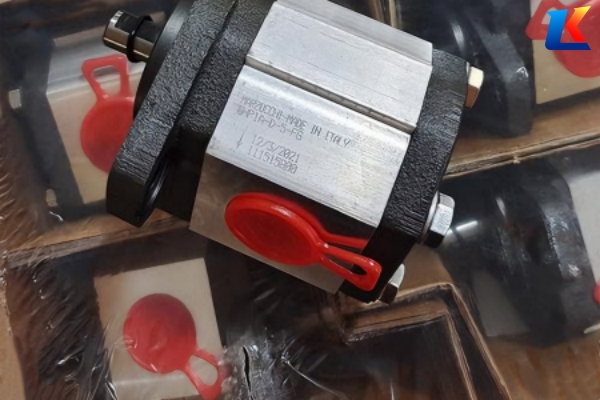
Marzocchi hydraulic pump GHP1A-S-10-FG, GHP1A-S-2-FG
1. General Information
This manual provides detailed instructions for the safe installation, operation, maintenance, and troubleshooting of Marzocchi hydraulic pumps models GHP1A-S-10-FG and GHP1A-S-2-FG. These pumps are rotary positive displacement hydraulic machines that convert mechanical power into hydraulic power, widely used in various industrial hydraulic systems for their high reliability and performance.
Marzocchi Pompe, founded in 1961 in Casalecchio di Reno near Bologna, is a leading manufacturer of external gear hydraulic pumps and motors. The GHP series pumps are designed with advanced technology to ensure long service life, low noise, and stable operation in high-pressure working environments.
Important Note: Strictly follow the instructions in this manual to ensure optimal performance and prevent equipment damage or personal injury. For the complete version of the manual, you can also visit the official Marzocchi website for download.
2. Product Overview
2.1 Model GHP1A-S-10-FG
The GHP1A-S-10-FG belongs to the Marzocchi GHP series high-pressure gear pumps. It is a single-directional, single-version hydraulic pump equipped with a precise gap compensation system, which effectively reduces internal leakage and ensures high volumetric efficiency. With a compact and robust structure, this model is designed for continuous operation scenarios, delivering stable oil supply and low pulsation. It is widely applicable to industrial hydraulic systems, small to medium-sized machinery, and hydraulic control circuits that require reliable and efficient power output.
2.2 Model GHP1A-S-2-FG
The GHP1A-S-2-FG is part of the Marzocchi GHP series compact hydraulic pumps. As a small-displacement, single-directional gear pump, it features lightweight design, easy installation, and excellent adaptability to limited-space mounting environments. The model adopts high-precision gear manufacturing technology, ensuring smooth operation, low noise, and long service life. It is ideally suited for hydraulic systems with low to medium flow requirements, such as small machinery, auxiliary hydraulic circuits, and precision control equipment.
3. Technical Specifications
|
Specification Item
|
GHP1A-S-10-FG
|
GHP1A-S-2-FG
|
|
Pump Type
|
Rotary Positive Displacement Gear Pump
|
Rotary Positive Displacement Gear Pump
|
|
Direction of Rotation
|
Single-directional (non-reversible, see nameplate for details)
|
Single-directional (non-reversible, see nameplate for details)
|
|
Max Working Pressure
|
210 bar (3045 psi)
|
210 bar (3045 psi)
|
|
Displacement
|
10 cm³/rev
|
2 cm³/rev
|
|
Max Speed
|
2800 rpm
|
3000 rpm
|
|
Recommended Hydraulic Fluid
|
Mineral-based hydraulic oil, viscosity 25-50 cSt at 50°C (per ISO standard)
|
Mineral-based hydraulic oil, viscosity 25-50 cSt at 50°C (per ISO standard)
|
|
Inlet Pressure Range
|
-0.3 to +2 bar
|
-0.3 to +2 bar
|
|
Operating Temperature Range
|
-20°C to +80°C
|
-20°C to +80°C
|
4. Installation Instructions
4.1 General Requirements
-
Ensure the installation environment is clean, dry, and free from dust and debris. Keep the hydraulic system clean to avoid premature pump failure caused by contaminated oil.
-
The pump should be mounted on a stable base to reduce vibration during operation, which helps extend the service life of the pump and its components.
-
The mounting surface should be flat and smooth. Use appropriate bolts to secure the pump firmly, ensuring no loose connections during operation.
-
When installing the pump, avoid applying axial or radial forces to the drive shaft; if necessary, use a bearing support to protect the shaft.
4.2 Pipeline Connection
-
The inlet and outlet pipelines should have a sufficient cross-sectional area to ensure smooth oil flow. The maximum oil velocity in the suction line should not exceed 1.5 m/s.
-
Use high-quality hoses or pipes that can withstand the maximum working pressure of the pump. Check for leaks after connection.
-
Install a proper filtering unit in the hydraulic system to ensure the cleanliness of the hydraulic oil. The filter should be regularly cleaned or replaced to maintain filtration efficiency.
-
The suction line should be as short as possible to reduce suction resistance. Avoid sharp bends in the pipeline to prevent oil flow obstruction.
4.3 Electrical and Mechanical Connection
-
Connect the pump to the drive motor correctly, ensuring the alignment of the pump shaft and motor shaft. Misalignment may cause shaft damage and increased noise.
-
Check the direction of rotation before starting the pump. The direction of rotation must be consistent with the mark on the pump nameplate (reversible pumps excepted).
-
Ensure all electrical connections are secure and comply with relevant electrical safety standards to prevent electrical faults.
5. Operation Instructions
5.1 Pre-Operation Check
-
Check the hydraulic oil level in the system. Ensure the oil level is within the specified range and the oil is clean and free from contamination.
-
Inspect all pipeline connections for leaks. Tighten any loose connections before starting the pump.
-
Check the filter status. If the filter is clogged or damaged, replace it immediately to avoid oil contamination.
-
Manually rotate the pump shaft 2-3 turns to ensure it rotates smoothly without jamming or abnormal noise.
5.2 Start-Up Operation
-
Start the drive motor at low speed and let the pump run without load for a few minutes to allow the hydraulic oil to circulate and lubricate all components adequately.
-
Gradually increase the speed to the rated speed and adjust the pressure to the required working pressure. Observe the pump for abnormal noise, vibration, or leaks during operation.
-
Monitor the oil temperature. If the oil temperature exceeds 80°C, stop the pump and check the cooling system or oil viscosity.
5.3 Normal Operation
-
During operation, maintain the working pressure and speed within the specified range to avoid overloading the pump.
-
Regularly check the oil level and oil quality. Add oil in a timely manner if the level is too low, and replace the oil if it is contaminated or deteriorated.
-
Do not stop the pump suddenly during normal operation unless there is an emergency. Gradually reduce the pressure and speed before stopping.
6. Maintenance and Inspection
6.1 Routine Maintenance
-
Daily Inspection: Check for leaks, abnormal noise, vibration, and oil temperature. Record the operation parameters for future reference.
-
Weekly Inspection: Clean the filter element and check the tightness of all connections. Inspect the drive shaft seal for leaks.
-
Monthly Inspection: Check the pump bearings for wear and lubrication. Inspect the gear teeth for damage or wear. Check the oil quality and replace if necessary.
6.2 Periodic Maintenance
-
Every 6 Months or 1000 Operating Hours: Disassemble the pump and inspect all components for wear, damage, or deformation. Replace worn or damaged parts (such as seals, bearings, and gears) with original Marzocchi spare parts.
-
Every 12 Months: Replace the hydraulic oil and clean the oil tank. Inspect the entire hydraulic system for potential faults and repair them in a timely manner.
6.3 Maintenance Notes
-
Before performing any maintenance work, stop the pump and disconnect the power supply to ensure personal safety.
-
Release all pressure in the hydraulic system before disassembling the pump to avoid oil spray and injury.
-
Use only original Marzocchi spare parts for replacement. Using non-original parts may affect pump performance and service life.
-
After maintenance, reassemble the pump correctly and test-run it to ensure it operates normally before putting it into formal use.
7. Troubleshooting
|
Fault Phenomenon
|
Possible Causes
|
Solutions
|
|
No oil output or insufficient oil output
|
1. Low oil level; 2. Clogged suction filter; 3. Suction pipeline leakage; 4. Incorrect rotation direction; 5. Gear wear or damage
|
1. Add hydraulic oil to the specified level; 2. Clean or replace the filter; 3. Repair the leakage in the suction pipeline; 4. Correct the rotation direction; 5. Replace worn or damaged gears
|
|
Abnormal noise during operation
|
1. Air in the hydraulic system; 2. Insufficient lubrication; 3. Misalignment of pump and motor shafts; 4. Bearing wear; 5. Contaminated oil
|
1. Bleed the air from the system; 2. Check the oil level and oil quality; 3. Adjust the alignment of the shafts; 4. Replace worn bearings; 5. Replace the hydraulic oil and clean the system
|
|
Pump overheating
|
1. Excessive working pressure; 2. Insufficient oil flow; 3. Contaminated oil; 4. Cooling system failure; 5. Bearing damage
|
1. Reduce the working pressure to the specified range; 2. Check the pipeline for blockage; 3. Replace the hydraulic oil; 4. Repair the cooling system; 5. Replace damaged bearings
|
|
Oil leakage
|
1. Loose connections; 2. Damaged seals; 3. Cracked pump body; 4. Excessive pressure
|
1. Tighten the connections; 2. Replace damaged seals; 3. Replace the pump body; 4. Reduce the working pressure
|
8. Safety Precautions
-
Operators must read and understand this manual thoroughly before operating the pump. Unauthorized operation may cause equipment damage or personal injury.
-
Do not operate the pump beyond the specified working pressure and speed range to avoid pump failure or safety accidents.
-
Always wear appropriate personal protective equipment (such as gloves, goggles) when operating or maintaining the pump.
-
Do not touch the pump body during operation, as it may be hot and cause burns.
-
In case of emergency (such as severe leakage, abnormal noise, or overheating), stop the pump immediately, disconnect the power supply, and troubleshoot the problem before restarting.
-
The pump should be maintained and inspected regularly by professional personnel. Do not disassemble the pump without authorization if you are not familiar with its structure.
9. Spare Parts and Service
For spare parts (such as seals, bearings, gears, and filter elements), please use original Marzocchi spare parts to ensure the performance and service life of the pump. You can contact Marzocchi authorized service centers or visit the official website to purchase spare parts and obtain after-sales service.
If you encounter any problems during installation, operation, or maintenance that cannot be solved by this manual, please contact Marzocchi customer service for assistance. The Marzocchi group provides professional technical support and after-sales service for all its products.
10. Disclaimer
Marzocchi Pompe reserves the right to modify the design, specifications, and technical parameters of the products without prior notice. This manual is for reference only; the actual product shall prevail. Marzocchi Pompe shall not be liable for any losses caused by improper operation, unauthorized modification, or use of non-original spare parts.