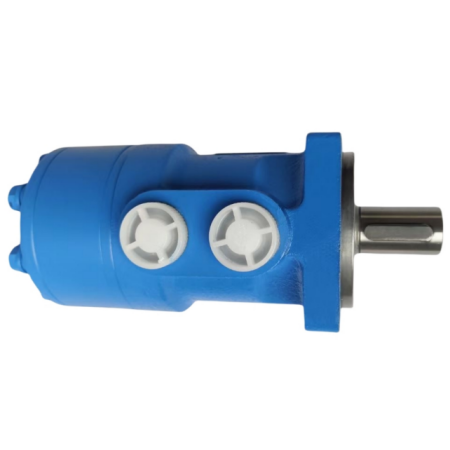
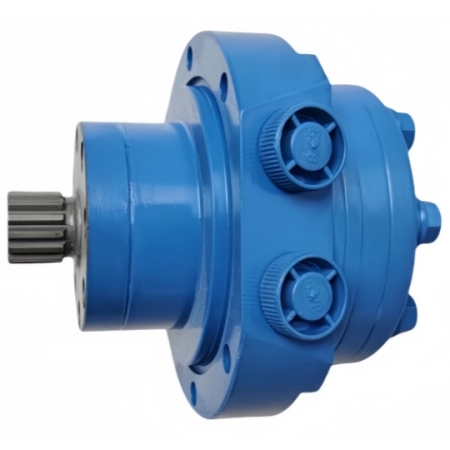
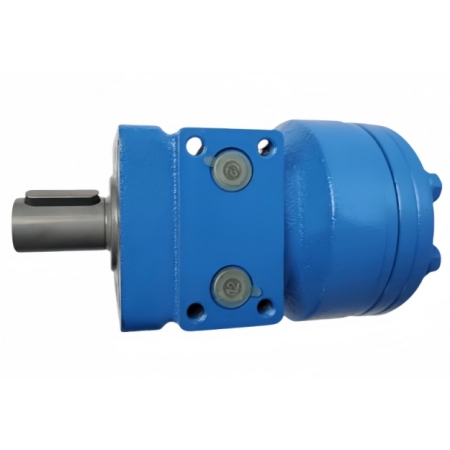
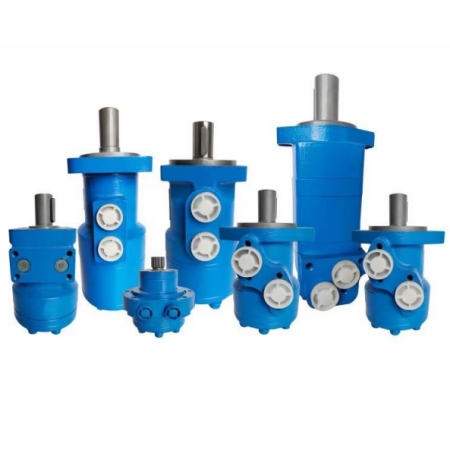
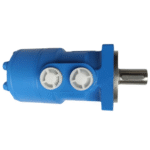
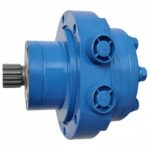
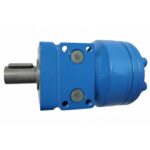
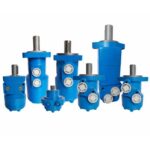
BMS series Cycloid motor
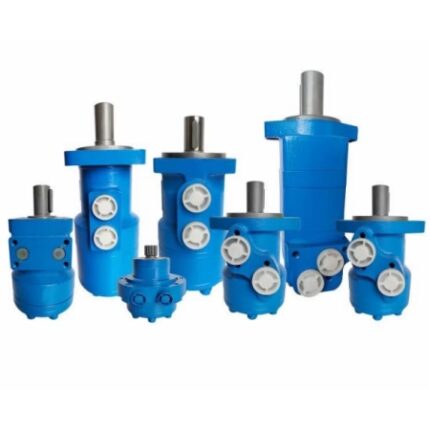
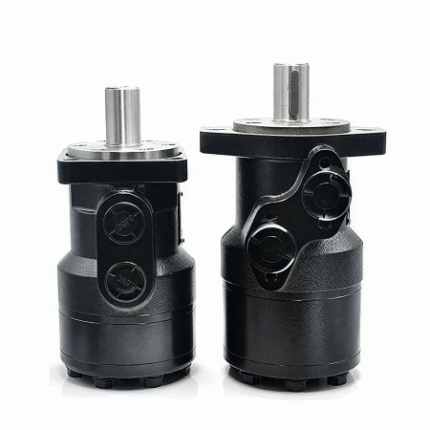
BM/BMV/BMT/BMS/BMR/BMM/BMH series hydraulic motors are cycloid hydraulic motors, which are widely used in industrial scenes such as winches, winches, injection molding machines, mold equipment, etc.
Comparison table of core parameters
Series displacement range (cm3/rev) Maximum pressure (bar) Typical torque (N·m)@150bar maximum speed (rpm) Applicable scenarios
BM 50-125 175 BM-125:310 3000 light machinery, AGV trolley
BMV 195-801.8 210 BMV-800: 1900 1800 high pressure heavy duty (excavator arm)
BMT 80-801.8 175 BMT-800: 1750 2400 medium speed and high torque (conveyor belt)
BMS 50-395 175 BMS-395: 920 3000 compact equipment (agricultural machinery steering)
BMR 203.2–489.2 210 BMR-500: 1150 366 low speed and high torque (winch)
BMM 16-32 140 BMM-32:7.2 3500 micro-flow control (medical equipment)
BMH 80-489.2 240 BMH-500: 1470 1500 ultra-high pressure impact conditions
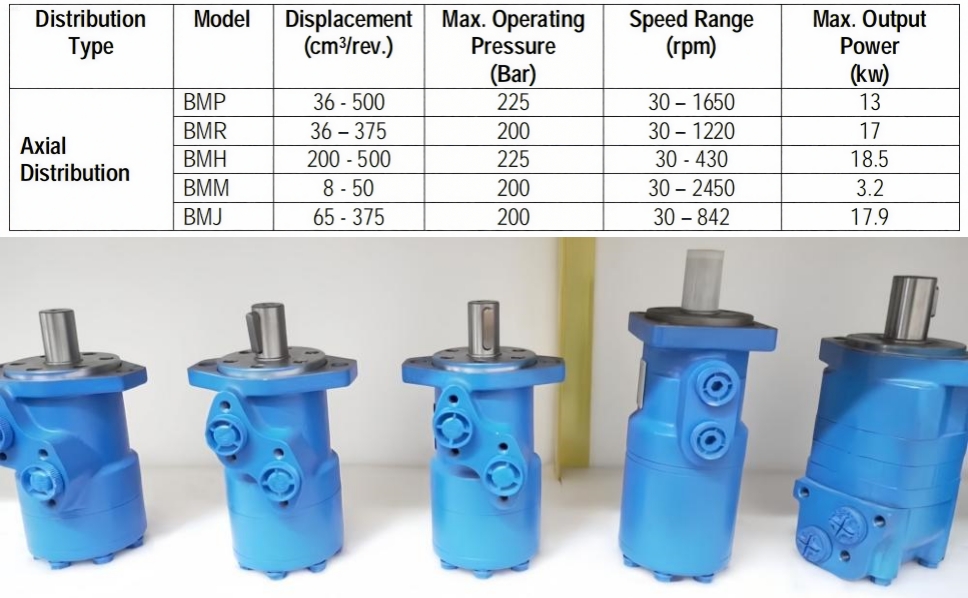
BMS series cycloid hydraulic motor core specifications: BMS-80, BMS-160, BMS-315, BMS-400
Key features
Performance advantage
The starting pressure is low (≤0.8MPa), and the efficiency is 75-85%.
Good low-speed stability (minimum 5 rpm), suitable for heavy-duty startup scenarios.
Structural design
The end face has a flow distribution structure, high flow distribution accuracy and automatic wear compensation.
Optional standard type, wheel type or bearing-free type, suitable for different installation needs.
Oil requirements
The recommended cleanliness is ISO 18/15, and the filtration accuracy is ≤10 µm.
Typical application scenarios
Construction machinery: concrete tanker mixing (BMS-315/400), bolt drilling rig drive (BMS-80/160).
Agricultural equipment: spreader, hoist (BMS-80/200).
Marine machinery: winch, hydraulic winch (BMS-250/315).