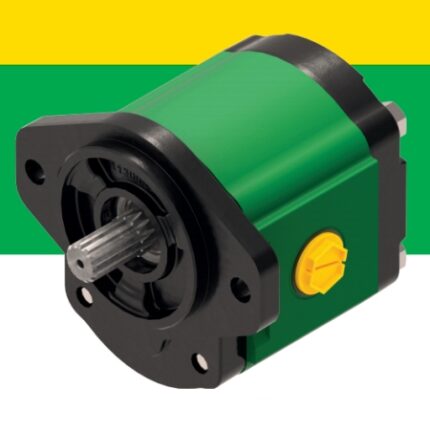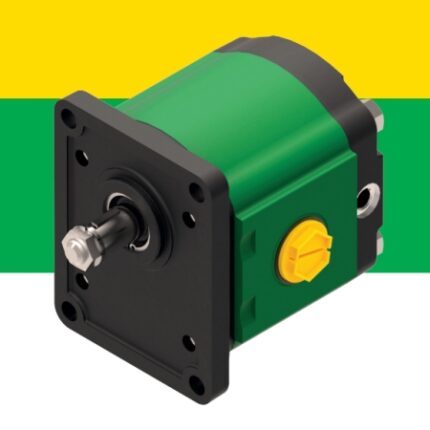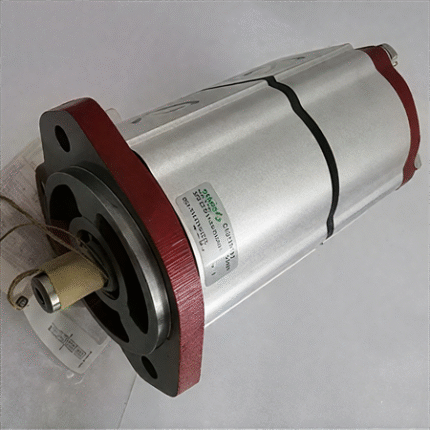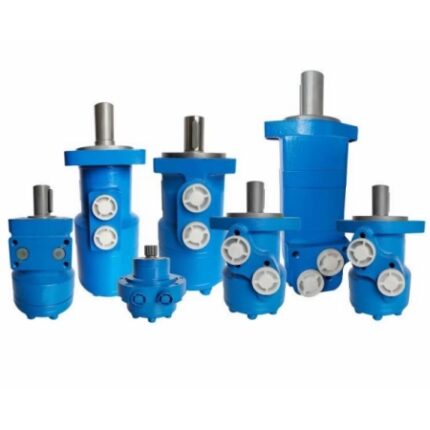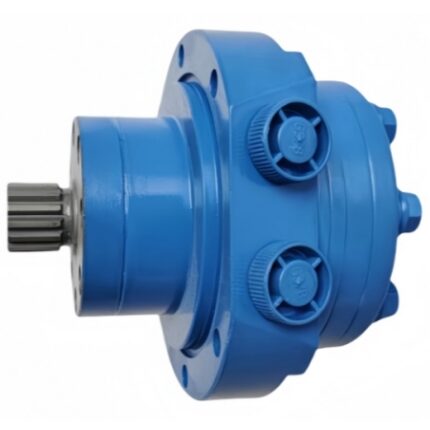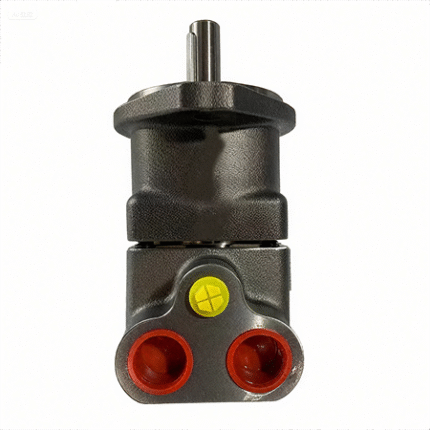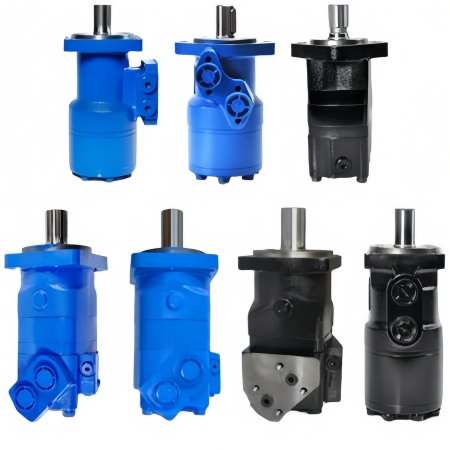
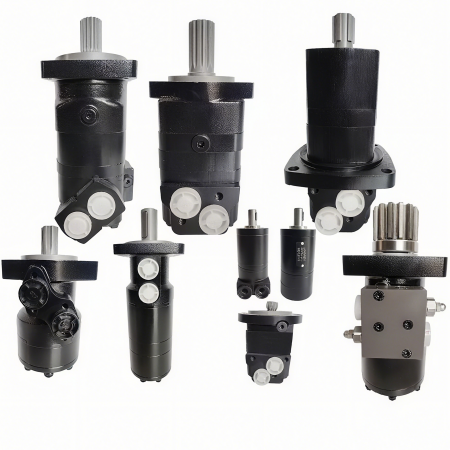
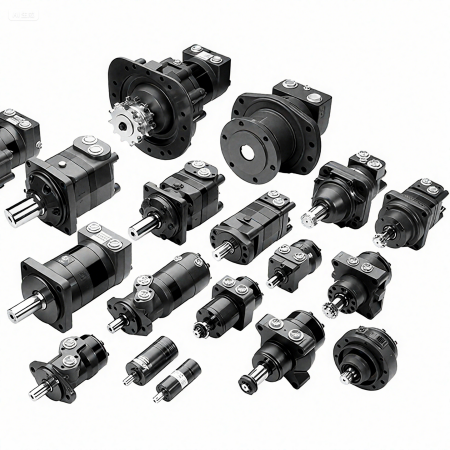

Sauer-Danfoss cycloid motor
OMEW/OMH/OML/OMM/OMP/OMPX/OMR/OMRX
OMS/OMSS/OMSW/OMT/OMTS/OMV/OMVW
Whats app: +86 13728707767
E-mail: hyd-sales2009@outlook.com
Description
Sauer-Danfoss Orbital Motor Full Series Specification Summary
Notes:
- Pressure values refer to pressure differential (ΔP); Continuous = long-term operation, Intermittent = short-period cyclic shock, Peak = stall/block instantaneous pressure. Torque calculation must use continuous pressure differential.
- Speed and flow rate are upper limits under continuous operating conditions.
- This table is for reference only, compiled from conversation records. For formal selection, quotation and replacement, please refer to the latest official Danfoss datasheets or information from authorized distributors.
| Series | Construction Type | Displacement Range (cm³/r) | Continuous ΔP (MPa) | Intermittent ΔP (MPa) | Peak ΔP (MPa) | Max Continuous Flow (L/min) | Max Continuous Speed (rpm) | Continuous Torque Range (N·m) | Min Stable Speed (rpm) |
|---|---|---|---|---|---|---|---|---|---|
| OML | Geroler, Shaft Commutated · Micro | 8~32 | 7.0 | 12.5 | 14.0 | 16 | 2000 | 7~29 | ≈50 |
| OMM | Geroler, Shaft Commutated · Small | 8~50 | 10.0 | 14.0 | 16.0 | 20 | 1950 | 11~40 | ≈50 |
| OMP | Geroler, Shaft Commutated · Pin Stator | 36~400 | 14.0 | 17.5 | 21.0 | 60 | 1500 | 13~490 | 20~30 |
| OMH | Geroler, Shaft Commutated · Roller Stator | 200~500 | 12.5~17.5 | 16.0~20.0 | 20.0~22.5 | 75 | 445 | 470~870 | 20~30 |
| OMR | Geroler, Shaft Commutated · Roller Stator | 50~400 | 17.5 | 20.0 | 22.5 | 80 | 900 | 110~940 | 20~30 |
| OMS | Orbitron, Disc Commutated (Legacy Platform) | 80~400 | 17.5 | 20.0 | 22.5 | 100 | 810 | 180~920 | 20~30 |
| OMT | Orbitron, Disc Commutated · Tapered Roller Bearing | 160~630 | 21.0 | 24.0 | 27.5 | 125 | 615 | 520~1850 | 15~25 |
| OMV | Orbitron, Disc Commutated · Tapered Roller Bearing | 315~800 | 21.0 | 24.0 | 27.5 | 200 | 500 | 1050~2600 | 15~25 |
| OMPX | Geroler, Shaft Commutated · OMP Enhanced | 25~100 | 14.0 | 17.5 | 21.0 | 60 | 1600 | 40~210 | 20~30 |
| OMRX | Geroler, Shaft Commutated · OMR Enhanced | 50~400 | 17.5 | 20.0 | 22.5 | 80 | 900 | 110~940 | 20~30 |
| OMEW | Geroler, Shaft Commutated + Disc Valve (Travel Dedicated) | 100~400 | 20.0 | 22.0 | 24.0 | 70 | 600 | 200~700 | 15~25 |
| OMSS | Orbitron, Disc Commutated · OMS Sealing Enhanced | 80~400 | 17.5 | 20.0 | 22.5 | 100 | 810 | 180~920 | 20~30 |
| OMTS | Orbitron, Disc Commutated · Short Body | 160~630 | 21.0 | 24.0 | 27.5 | 125 | 615 | 520~1850 | 15~25 |
| OMVW | Orbitron, Disc Commutated + Integrated Parking Brake | 315~800 | 21.0 | 24.0 | 27.5 | 200 | 500 | 1050~2600 | 15~25 |
| OMSW | Orbitron, Disc Commutated (Legacy OMS) + Integrated Brake | 80~400 | 17.5 | 20.0 | 22.5 | 100 | 810 | 180~920 | 20~30 |
Quick Selection Guide
1. Two major construction branches
- Shaft-commutated Geroler (OML / OMM / OMP / OMH / OMR / OMPX / OMRX / OMEW)Pros: Lower cost, compact envelope
Cons: Higher ripple and limited load capacity at high pressure & high torque; for medium-light load, wheel drive and auxiliary drives - Disc-commutated Orbitron (OMS / OMT / OMV / OMSS / OMTS / OMVW / OMSW)Pros: Heavy-duty bearings, superior low/high speed stability, better axial load capability, closed-circuit compatible
Cons: Higher cost; for mixer drums, heavy winches, slewing and continuous heavy high-torque duties
2. Brake-equipped models summary
- OMVW: Preferred integrated brake model (OMV platform, new platform, high pressure & high load)
- OMSW: Brake variant on legacy OMS platform, avoid for new projects, only for retrofit
3. Replacement & upgrade mapping
- OMP → OMPX (same mounting, better efficiency & starting torque)
- OMR → OMRX (same mounting, reinforced seal & bearing for shock/stall resistance)
- OMS → Prefer OMT / OMTS replacement (OMS / OMSS / OMSW forbidden for new builds)
- OMT → OMTS (short body variant for tight axial space)
- OMV → OMVW (variant with integrated parking brake)
About brand

Shipping & Delivery