VIVOLO hydraulic pump X3P89 manual
1. Introduction
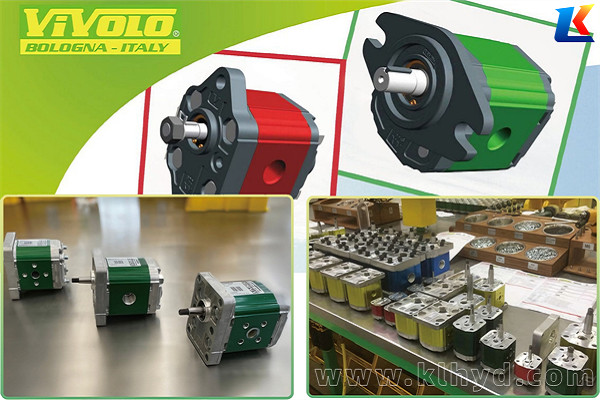
The VIVOLO X3P89 hydraulic pump is a high-performance gear pump designed and manufactured by Vivoil Oleodinamica Vivolo SRL, specifically engineered to convert mechanical energy into hydraulic energy for a wide range of industrial and mobile hydraulic systems. With its robust structure, stable performance, and high pressure resistance, this pump is suitable for applications requiring reliable fluid power transmission, such as construction machinery, agricultural equipment, and industrial hydraulic circuits. This manual provides detailed instructions on installation, operation, maintenance, and troubleshooting to ensure safe and efficient use of the pump.
2. Technical Specifications
|
Specification Item
|
Parameter
|
|---|---|
|
Model
|
X3P89
|
|
Pump Type
|
External Gear Pump
|
|
Displacement
|
Refer to specific configuration (typical range: 14.89 – 86.87 cm³/rev)
|
|
Maximum Working Pressure (P1)
|
210 bar (varies by configuration)
|
|
Maximum Peak Pressure (P3)
|
220 bar (varies by configuration)
|
|
Rotational Speed Range
|
700 – 3000 rpm (max speed varies by displacement)
|
|
Recommended Hydraulic Fluid
|
Mineral-based hydraulic oil HLP/HV (DIN 51524)
|
|
Viscosity Range
|
10 – 100 mm²/s (operating); max 1500 mm²/s (start-up)
|
|
Operating Temperature Range
|
Fluid: -15°C to 80°C; Ambient: -20°C to 60°C
|
|
Flange Type
|
Standard European ø50.8 (varies by configuration)
|
|
Shaft Type
|
Tapered 1:8 woodruff key, parallel with key, or splined (optional)
|
|
Weight
|
Refer to delivery documentation (varies by configuration)
|
3. Installation
3.1 Safety Preparation Before Installation
Before starting the installation, ensure you have the necessary tools and safety equipment, including safety glasses, gloves, and appropriate wrenches. Read this manual carefully and follow the manufacturer’s recommendations, as specific procedures may vary based on application and configuration. Ensure the installation area is clean, well-ventilated, and free of flammable materials or obstacles.
3.2 Installation Steps
-
Inspect the Pump and Components: Check the X3P89 pump and all accompanying components for visible damage, cracks, or missing parts. Verify that the pump model matches the order and that all fittings, gaskets, and fasteners are included and in good condition. If any damage is found, do not install the pump and contact VIVOLO customer service immediately.
-
Prepare the Mounting Surface: The mounting surface must be clean, flat, and sturdy to provide stable support for the pump and minimize vibrations. Remove any debris, oil, or dirt from the surface. Ensure the surface is aligned with the pump’s mounting flange to avoid stress on the pump body during operation.
-
Align the Pump and Drive: Proper alignment between the pump and the drive (e.g., electric motor, internal combustion engine) is critical to prevent premature wear of bearings and shafts. Use alignment tools such as straight edges, feeler gauges, or laser alignment tools to ensure coaxial alignment. The maximum allowable misalignment is 0.1 mm for parallelism and 0.2 mm for angularity per 100 mm of shaft length.
-
Secure the Pump: Mount the pump to the prepared surface using the specified fasteners and torque values (refer to the pump’s nameplate or delivery documentation). Ensure the pump is securely fastened to prevent movement or vibrations during operation, which can cause damage to the pump or hydraulic lines.
-
Connect Hydraulic Lines: Identify the inlet and outlet ports of the pump (marked on the pump body). Connect the hydraulic lines to the ports using fittings rated for the system’s maximum operating pressure. Ensure all connections are tight to prevent leaks, but avoid overtightening, which may damage the fittings or pump housing. The suction line should be leak-free and designed to minimize vacuum pressure; the flow velocity in the suction line should not exceed 0.5 m/s.
-
Prime the Pump (if required): For pumps with a flooded suction configuration, prime the pump by filling it with hydraulic fluid through the inlet port until all air is expelled from the pump and hydraulic lines. This prevents cavitation and damage to the pump during start-up.
-
Fill the Hydraulic Reservoir: Fill the hydraulic reservoir with the recommended hydraulic fluid, ensuring the fluid level is within the specified range. Check the fluid for contamination before filling; use a filter to remove any impurities if necessary.
4. Operation
4.1 Pre-Start Check
-
Verify that all hydraulic connections are tight and free of leaks.
-
Check the hydraulic fluid level in the reservoir; top up if necessary.
-
Ensure the pump and drive are properly aligned and securely mounted.
-
Check the rotational direction of the drive to match the pump’s specified direction (marked on the pump body). Incorrect rotation will damage the pump.
-
Ensure all safety devices (e.g., pressure relief valves, filters) are properly installed and functional.
4.2 Start-Up Procedure
-
Start the drive at low speed (1000 – 1500 rpm) and run the pump for 2 – 3 minutes without applying load. This allows the hydraulic fluid to circulate and lubricate all internal components.
-
Check for leaks at all connections, pump seals, and fittings. If any leaks are found, stop the pump immediately, relieve system pressure, and repair the leak before restarting.
-
Monitor the pump’s operating temperature and noise. The pump should operate smoothly without abnormal noise (e.g., grinding, squealing) or excessive heat (fluid temperature should not exceed 80°C).
-
Gradually increase the drive speed to the operating speed and apply load incrementally. Ensure the system pressure does not exceed the pump’s maximum working pressure (P1) to avoid damage.
4.3 Normal Operation Guidelines
During normal operation, maintain the following guidelines to ensure the pump’s longevity and performance:
-
Keep the hydraulic fluid clean and free of contaminants. Regularly check and replace the fluid filter (recommended filter rating: 10 – 40 μm).
-
Monitor the fluid temperature; use a cooler if necessary to keep the temperature within the recommended range (30°C – 50°C is optimal).
-
Do not operate the pump beyond its maximum working pressure or rotational speed. Overload can cause severe damage to the pump’s gears, bearings, and seals.
-
Avoid sudden changes in load or pressure, as this can create hydraulic shock and damage the pump and system components.
4.4 Shutdown Procedure
-
Gradually reduce the load and drive speed to low speed (1000 – 1500 rpm).
-
Run the pump at low speed for 1 – 2 minutes to cool down the internal components.
-
Stop the drive and turn off the power supply.
-
Relieve system pressure by opening the relief valve or bleeding the hydraulic lines.
-
If the pump will not be used for an extended period (more than 1 month), drain the hydraulic fluid and store the pump in a clean, dry environment. Apply a thin layer of lubricating oil to the pump’s internal components to prevent rust.
5. Maintenance
5.1 Regular Maintenance Schedule
|
Maintenance Item
|
Frequency
|
Procedure
|
|---|---|---|
|
Check hydraulic fluid level and condition
|
Daily
|
Inspect fluid level; check for discoloration, contamination, or foaming. Top up or replace fluid if necessary.
|
|
Inspect for leaks
|
Daily
|
Check all connections, seals, and fittings for leaks. Tighten or replace components as needed.
|
|
Clean fluid filter
|
Every 500 operating hours
|
Remove and clean the filter element; replace if damaged or heavily contaminated.
|
|
Replace hydraulic fluid
|
Every 2000 operating hours or 1 year (whichever comes first)
|
Drain the old fluid, flush the system, and refill with fresh, recommended hydraulic fluid.
|
|
Inspect pump seals
|
Every 1000 operating hours
|
Check the input shaft seal and body seals for wear or leakage. Replace if necessary.
|
|
Full pump inspection
|
Every 5000 operating hours
|
Disassemble the pump (by qualified personnel) and inspect gears, bearings, and internal components for wear or damage. Replace worn parts with genuine VIVOLO spare parts.
|
5.2 Maintenance Notes
-
Always relieve system pressure before performing any maintenance work to avoid injury or equipment damage.
-
Use only genuine VIVOLO spare parts for replacement. Non-genuine parts may not meet the pump’s specifications and can cause premature failure.
-
Keep the pump and surrounding area clean during maintenance to prevent contaminants from entering the hydraulic system.
-
Store spare parts in a clean, dry environment to prevent rust or damage.
-
Record all maintenance activities, including dates, hours of operation, and parts replaced, for future reference.
6. Troubleshooting
|
Problem
|
Possible Causes
|
Solution
|
|---|---|---|
|
No hydraulic pressure or low pressure
|
1. Incorrect pump rotation direction; 2. Hydraulic fluid level too low; 3. Suction line blocked or leaking; 4. Relief valve malfunction; 5. Worn pump gears or bearings.
|
1. Correct the drive rotation direction; 2. Top up hydraulic fluid; 3. Clean or replace the suction line, repair leaks; 4. Inspect and repair/replace the relief valve; 5. Replace worn gears or bearings.
|
|
Pump leaks
|
1. Loose connections or fittings; 2. Worn or damaged seals; 3. Cracked pump body or flange; 4. Overpressure in the system.
|
1. Tighten connections; 2. Replace worn seals; 3. Replace the pump body/flange; 4. Check and adjust the relief valve to ensure pressure is within limits.
|
|
Abnormal noise (grinding, squealing)
|
1. Pump not primed or cavitation; 2. Misalignment between pump and drive; 3. Worn gears, bearings, or shaft; 4. Contaminated hydraulic fluid; 5. Low fluid level.
|
1. Prime the pump, check suction line for leaks/blockages; 2. Realign the pump and drive; 3. Replace worn components; 4. Drain and replace hydraulic fluid, clean filter; 5. Top up fluid.
|
|
Excessive pump temperature
|
1. Low fluid level or contaminated fluid; 2. Blocked fluid filter or cooler; 3. Overload (exceeding maximum pressure/speed); 4. Poor lubrication of internal components.
|
1. Top up or replace fluid; 2. Clean filter or cooler; 3. Reduce load to within rated limits; 4. Check lubrication, replace worn components if necessary.
|
|
Pump fails to start
|
1. Drive malfunction; 2. Pump seized due to contamination or lack of lubrication; 3. Electrical power failure (if electric drive); 4. Excessive load on the pump.
|
1. Repair or replace the drive; 2. Disassemble and clean the pump, replace worn components; 3. Check power supply; 4. Reduce load before starting.
|
7. Safety Precautions
-
Always wear appropriate personal protective equipment (PPE) when installing, operating, or maintaining the pump, including safety glasses, gloves, and protective clothing.
-
Never operate the pump beyond its rated maximum pressure or rotational speed. Overload can cause the pump to fail, resulting in injury or equipment damage.
-
Do not open or disassemble the pump while it is in operation or under pressure. Relieve system pressure and turn off the drive before any maintenance work.
-
Keep hands, tools, and other objects away from moving parts (e.g., shaft, gears) during operation to avoid entanglement or injury.
-
Use only the recommended hydraulic fluid. Using incorrect fluid can damage the pump and void the warranty.
-
Ensure the installation area is well-ventilated and free of flammable materials. Hydraulic fluid leaks can cause fires if exposed to high temperatures or sparks.
-
If the pump is used in a mobile application, ensure it is securely mounted to prevent movement during operation.
-
Only qualified personnel should perform installation, maintenance, or repair work on the pump. Improper handling can cause damage or injury.
8. Warranty and Service
The VIVOLO X3P89 hydraulic pump is covered by a standard 12-month warranty from the date of delivery, covering manufacturing defects in materials and workmanship. The warranty does not cover damage caused by improper installation, operation, maintenance, overload, use of non-genuine parts, or contamination.
For technical support, spare parts, or warranty claims, contact VIVOLO Oleodinamica Vivolo SRL or your local authorized distributor:
-
VIVOLO Oleodinamica Vivolo SRL: Via Leone Ginzburg 2-4, 40054 Budrio (BO), Italy
-
Telephone: +39 051 803689
-
Fax: +39 051 800061
-
Official Website: www.vivoil.com
VIVOLO reserves the right to make changes to this manual and the pump’s specifications without prior notice, in line with technical progress and product improvement.
9. Revision History
|
Revision
|
Date
|
Changes
|
|---|---|---|
|
V1.0
|
April 2026
|
Initial release of the instruction manual for X3P89 hydraulic pump
|