Vickers pressure control valve
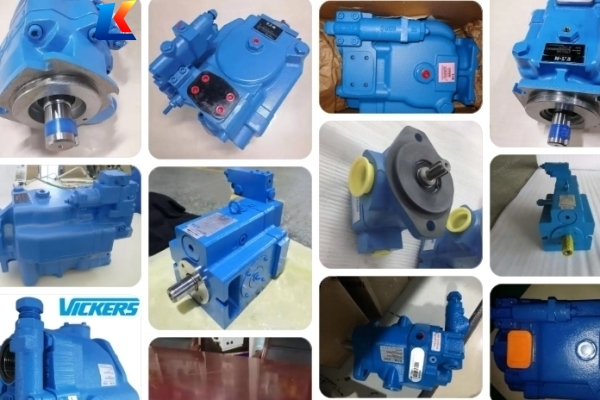
Vickers pressure control valve is a key component in hydraulic systems, designed and manufactured by Vickers (a renowned brand in the hydraulic industry, now part of Eaton Corporation). Its primary function is to regulate, control, and maintain the pressure of hydraulic fluid within a predetermined range, ensuring the stable and efficient operation of the entire hydraulic system. It prevents system overpressure, protects hydraulic components from damage, and adjusts the pressure to meet the working requirements of different hydraulic actuators.
Core Functions
-
Pressure Regulation: It adjusts the hydraulic pressure to a specific set value and maintains it stably, even when the load or flow rate of the system changes. This ensures that the hydraulic actuators (such as cylinders and motors) work at the required pressure, avoiding insufficient power or component damage caused by excessive pressure.
-
Overpressure Protection: When the system pressure exceeds the set safety value, the valve will automatically open to release the excess hydraulic fluid (usually back to the oil tank), reducing the system pressure to the safe range. This is crucial for protecting pumps, cylinders, pipelines, and other hydraulic components from overpressure damage.
-
Pressure Reduction: In some hydraulic systems, different components require different pressure levels. Vickers pressure control valves can reduce the high pressure from the pump to the required low pressure for specific branches, ensuring the rational operation of each component.
-
Pressure Unloading: When the hydraulic system is in an idle state (e.g., the actuator stops working), the valve can unload the pump, allowing the pump to operate at low pressure, reducing energy consumption and wear of the pump.
Common Types
Vickers pressure control valves are classified into several types based on their working principles and application scenarios, the most common of which include:
-
Relief Valves: The most basic type of pressure control valve. It is normally closed and opens only when the system pressure reaches the set value to release excess fluid. It is mainly used for overpressure protection and pressure limiting of the system. Vickers relief valves are available in direct-acting and pilot-operated types; pilot-operated ones have higher precision and better stability for large flow systems.
-
Reducing Valves: Used to reduce the inlet pressure to a stable outlet pressure, which remains constant regardless of changes in inlet pressure or outlet flow. It is suitable for occasions where a branch circuit needs lower pressure than the main circuit, such as in hydraulic systems with multiple pressure requirements.
-
Sequence Valves: It controls the sequence of actions of multiple hydraulic actuators by using pressure signals. When the system pressure reaches the set value of the sequence valve, it opens to supply oil to the next actuator, ensuring that the actuators operate in a predetermined order. Vickers sequence valves can be divided into internal control and external control types.
-
Unloading Valves: Specifically used for unloading the pump when the system is idle. It can quickly reduce the pump outlet pressure to a low level, reducing energy loss and extending the service life of the pump. It is often used in hydraulic systems that work intermittently.
Key Features and Advantages
Vickers pressure control valves are widely recognized in the industry for their excellent performance, with the following key features:
-
High Precision: Adopting advanced design and manufacturing technology, the pressure control accuracy is high, and the pressure fluctuation is small, ensuring the stable operation of the hydraulic system.
-
Strong Reliability: The valve core, valve seat, and other key components are made of high-quality materials and undergo strict heat treatment, with good wear resistance, corrosion resistance, and long service life.
-
Wide Adaptability: It can adapt to different working conditions, such as high pressure, high flow, and harsh environments (high temperature, low temperature, dust, etc.), and is suitable for various industrial fields.
-
Easy Adjustment: The pressure set value can be easily adjusted through the adjustment knob or bolt, and the operation is simple and convenient, facilitating on-site debugging and maintenance.
Application Scenarios
Vickers pressure control valves are widely used in various hydraulic systems in industrial and engineering fields, including but not limited to:
-
Construction machinery: Excavators, loaders, cranes, bulldozers, etc.
-
Industrial machinery: Machine tools, injection molding machines, extruders, presses, etc.
-
Automotive industry: Hydraulic systems of commercial vehicles, engineering vehicles, and special vehicles.
-
Aerospace: Hydraulic systems of aircraft and spacecraft (special models with high precision requirements).
-
Marine industry: Hydraulic systems of ships, offshore platforms, etc.
Maintenance Notes
To ensure the normal operation and service life of Vickers pressure control valves, regular maintenance is required:
-
Regularly check the pressure set value to ensure it is consistent with the system requirements.
-
Keep the hydraulic fluid clean, regularly replace the filter element, and prevent impurities from entering the valve core, causing jamming or wear.
-
Check the sealing performance of the valve, and replace the sealing ring in time if there is oil leakage.
-
Avoid overloading the system for a long time, which may cause premature damage to the valve.