Parker PAVC series high pressure precision control axial piston pump
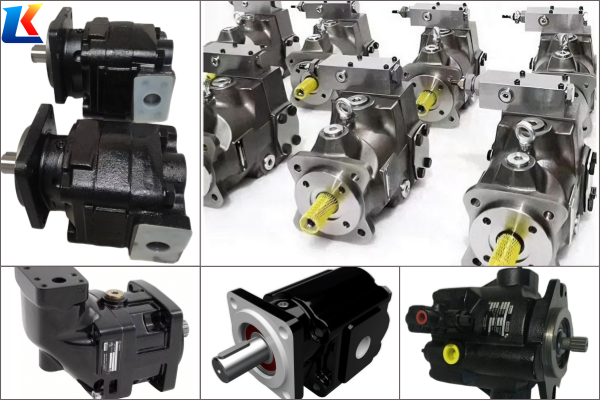
Parker PAVC Series High-Pressure Precision Control Axial Piston Pumps
The Parker PAVC series is a medium-high pressure/booster type variable displacement axial piston pump, specifically designed for open circuits. With a rated pressure of 210 bar (3000 psi), it balances high efficiency, compactness and easy maintenance, and is widely applicable to mobile and industrial hydraulic systems.
I. Core Positioning and Design Concept
-
Positioning: A medium-high pressure precision control variable pump that balances performance, cost and ease of use, targeting medium and high-power equipment.
-
Design: Two-piece housing + built-in booster + cartridge-type controller, balancing strength and maintenance convenience.
-
Compatibility: Suitable for various hydraulic media such as water-glycol, meeting the requirements of harsh working conditions.
II. Core Technical Parameters
|
Parameter Item
|
Specification Details
|
|---|---|
|
Maximum Working Pressure
|
210 bar (3000 psi)
|
|
Speed Range
|
Regular models: 3000 RPM; PAVC100 model: 2600 RPM
|
|
Displacement Specifications
|
PAVC33, PAVC38, PAVC65, PAVC100 (Unit: cm³/rev)
|
|
Flow Range
|
Varies with model and speed, covering the 10–100 L/min range
|
|
Medium Compatibility
|
Mineral oil, water-glycol, HFC/HFD hydraulic fluids, etc.
|
|
Structure Type
|
Swashplate axial piston, open circuit, variable displacement
|
III. Key Structures and Design Highlights
-
High-Strength Housing: Integrally cast iron housing, impact-resistant and vibration-resistant, ensuring long-term stable operation.
-
Built-in Booster: Improves oil suction performance, supports high-speed operation, and reduces cavitation risk.
-
Cartridge-Type Controller: Field-replaceable, supporting quick switching of multiple control modes for more efficient commissioning and maintenance.
-
Wear-Resistant Valve Plate: Bronze-clad design, extending service life and improving volumetric efficiency.
-
Two-Piece Structure: Facilitates disassembly and maintenance, reducing downtime and maintenance difficulty.
-
Precision Variable Mechanism: Achieves precise control of flow/pressure, adapting to automated process requirements.
IV. Models and Control Methods
1. Mainstream Models
-
PAVC33: Small displacement, suitable for light to medium-load equipment.
-
PAVC38: Small to medium displacement, balancing performance and cost.
-
PAVC65: Medium displacement, the main general-purpose model.
-
PAVC100: Large displacement, the first choice for high-power equipment.
2. Control Types (Cartridge-Type, Field-Replaceable)
|
Control Type
|
Functional Features
|
Applicable Scenarios
|
|---|---|---|
|
Pressure Compensation Control
|
Automatically maintains constant system pressure, saving energy and reducing consumption.
|
Constant pressure systems, working conditions with frequent pressure fluctuations.
|
|
Flow Control
|
Precisely adjusts output flow to meet process requirements.
|
Fixed flow systems, speed control scenarios.
|
|
Load-Sensitive Control
|
Outputs flow on demand, improving system efficiency.
|
Automated production lines, multi-actuator coordination.
|
|
Manual/Electric Proportional Control
|
Remotely adjustable with high precision.
|
Automated control systems, remote operation requirements.
|
V. Typical Application Scenarios
-
Mobile Machinery: Construction machinery, agricultural machinery, mining equipment, sanitation vehicles.
-
Industrial Equipment: Injection molding machines, hydraulic presses, machine tools, metallurgical equipment, port machinery.
-
Special Working Conditions: Water-glycol medium systems, high-temperature/high-dust environments, continuous operation production lines.
VI. Core Advantages
-
Balanced Pressure and Efficiency: 210 bar high-pressure design, volumetric efficiency ≥ 90%, lower energy consumption.
-
Maintenance-Friendly: Cartridge-type controller + two-piece housing, enabling on-site quick maintenance and short downtime.
-
Wide Medium Compatibility: Supports environmentally friendly media such as water-glycol, complying with green manufacturing trends.
-
High Reliability: Precision valve plate + reinforced housing, long service life, suitable for continuous working conditions.
-
Flexible Control: Multiple control modes available, adapting to diverse system requirements.
VII. Comparison with Other Parker Series
|
Series
|
Pressure Level
|
Core Positioning
|
Applicable Scenarios
|
|---|---|---|---|
|
PAVC
|
Medium-High Pressure (210 bar)
|
Balanced variable pump, easy to maintain
|
General medium-high pressure systems, mobile machinery
|
|
PV
|
High Pressure (350+ bar)
|
Heavy-duty high-pressure pump, high performance
|
Heavy construction machinery, high-pressure hydraulic systems
|
|
PVP
|
Ultra-High Pressure (420+ bar)
|
Extreme high-pressure pump, precision control
|
Ultra-high pressure equipment, special hydraulic systems
|
VIII. Selection Points
-
Clarify the core parameters of working pressure, flow rate and speed.
-
Confirm the type of hydraulic medium (mineral oil/water-glycol, etc.).
-
Select the appropriate control method (pressure compensation/flow/load-sensitive, etc.).
-
Evaluate installation space, installation method and maintenance convenience.
-
Select the model based on working condition continuity and environmental conditions.
With the core advantages of high-pressure reliability, precise control and convenient maintenance, the Parker PAVC series is a cost-effective choice for medium-high pressure hydraulic systems, widely covering mobile and industrial fields, and meeting diverse application needs from light load to heavy load.